

Fluoride protects your child’s teeth, but the right dose matters. Too little fluoride leaves teeth weak. Too much fluoride can stain them for life. You face these choices every day at the bathroom sink. You squeeze the tube. You decide how much. You trust the cartoon on the box. You trust habit. Yet dosing is not guesswork. It is a medical decision. This blog shares two fluoride facts that every parent needs before brushing time. You will see how much toothpaste to use at each age. You will also see when to change the amount. If you already see white or brown spots on your child’s teeth, you can still act. You can talk with a pediatric dentist in La Grange. You can protect your child’s smile with one small change.
Fluoride Fact 1: A tiny amount of toothpaste is enough
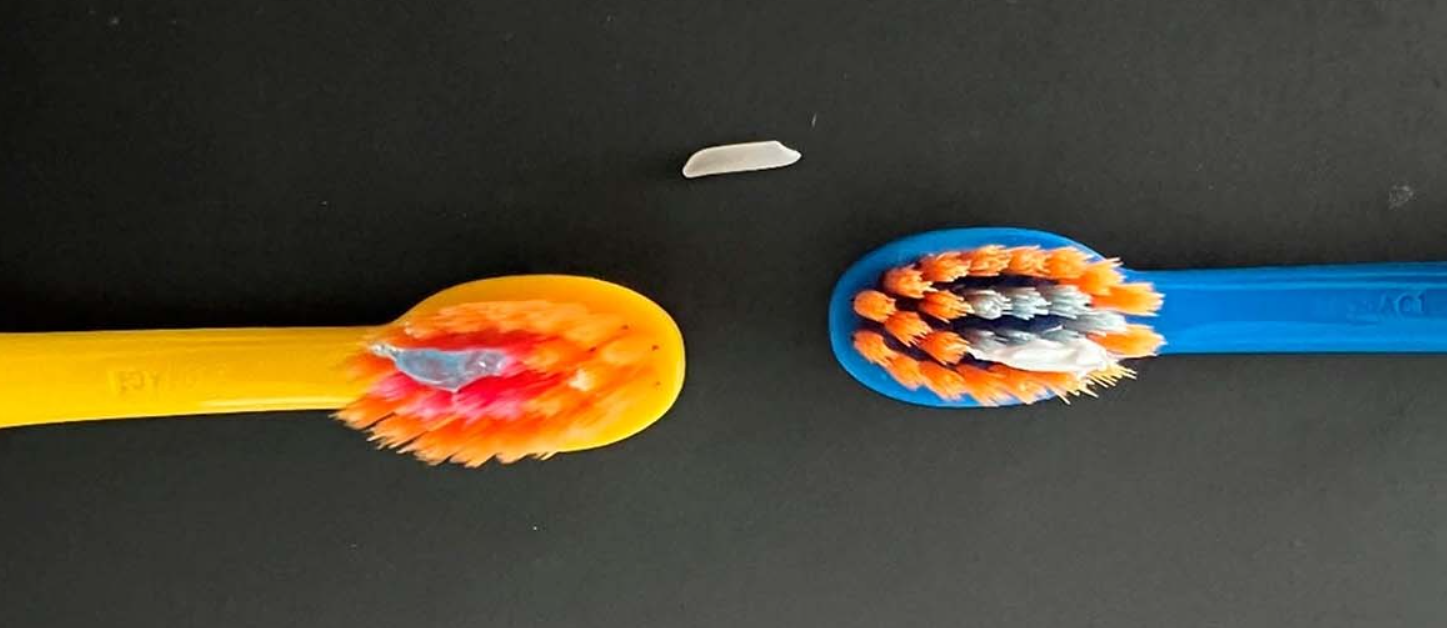
Most parents use too much toothpaste. Ads show a full strip that covers the brush. That picture is wrong for children. Your child needs only a small smear or a pea-sized amount. That is all.
The American Dental Association explains these sizes in clear steps. Here is a simple summary so you can act today.
Fluoride toothpaste dosing by age
| Child’s age | Toothpaste amount | Fluoride level on label | Who puts toothpaste on brush |
|---|---|---|---|
| Under 3 years | Smear. About a grain of rice. | Standard fluoride paste | Adult only |
| 3 to 6 years | Pea size amount | Standard fluoride paste | Adult only |
| Over 6 years | Pea size to thin strip | Standard fluoride paste | Adult checks amount |
First, focus on the size. For a baby or toddler, you barely cover the tips of the bristles. The paste should look like a thin shine, not a blob. For a preschooler, you place a pea-sized dot. That is about the size of the nail on your little finger. For older children, you can stay with a pea-sized dot. You do not need more.
Next, look at who controls the tube. Young children squeeze hard. They love foam. They swallow. You need to be the one who puts toothpaste on the brush. You also watch as your child spits.
Finally, pay attention to labels. Use toothpaste that lists fluoride on the box. Children do not need special “training” paste without fluoride unless a dentist tells you. Fluoride-free paste cleans teeth but does not protect them from decay.
Fluoride Fact 2: Swallowing too much fluoride over time can stain teeth
Fluoride works best on the outside of teeth. The problem starts when children swallow too much during the years when teeth form under the gums. That steady extra dose can cause a condition named dental fluorosis. The Centers for Disease Control and Prevention explain this at their dental fluorosis resource.
Dental fluorosis does not cause pain. It changes how the surface of the teeth looks. You may see the signs only when you take a close look in bright light.
- Soft white lines or streaks
- Small cloudy spots
- In stronger cases, brown marks or pitting
This change comes from long-term extra fluoride. It does not come from one big swallow. That means your daily routine has power. You can lower the risk with three steady habits.
- Use the right toothpaste amount for age
- Teach your child to spit, not rinse and swallow
- Store toothpaste out of reach between brushings
At the same time, do not stop fluoride on your own. Children who grow up without enough fluoride face more decay. Cavities can spread fast. They can hurt. They can also cost time, money, and sleep. You do not need that burden.
How to balance safety and protection at home
You can keep fluoride safe and strong in three clear steps.
1. Match the dose to your child
- Under 3 years. Brush two times each day. Use a rice-sized smear.
- 3 to 6 years. Brush two times each day. Use a pea-sized dot.
- Over 6 years. Brush two times each day. Use a pea-sized dot. Allow a bit more paste only if your dentist agrees.
2. Control the brushing routine
- Stand with your child during brushing.
- Help guide the brush along the gums.
- Ask your child to spit in the sink when done.
- Do not ask your child to rinse with a full cup of water. A small sip is enough.
3. Ask for help when you see spots
- Look at your child’s teeth once a month in daylight.
- Write down any white, cloudy, or brown spots.
- Bring your notes to the next dental visit.
A dentist can tell if the marks are early decay or fluorosis. The treatment and plan are different. Early care is easier than late care. Early care also hurts less.
When to talk with your child’s dentist
You should call a dentist if you notice any of these signs.
- Your child eats or sucks on toothpaste.
- You see new white or brown spots on front teeth.
- Your child has frequent cavities even with brushing.
- You feel unsure about the right toothpaste or dose.
The dentist may ask about your drinking water, toothpaste, and any fluoride tablets or rinses. You may also hear about local water levels from your health department website. Together, you can decide if your child needs less or more fluoride.
Toothpaste dosing is one small choice that shapes your child’s health. With the right fluoride amount, you get strong teeth, fewer cavities, and less fear. You also avoid stains that can hurt your child’s confidence. You hold that power every time you pick up the tube.