

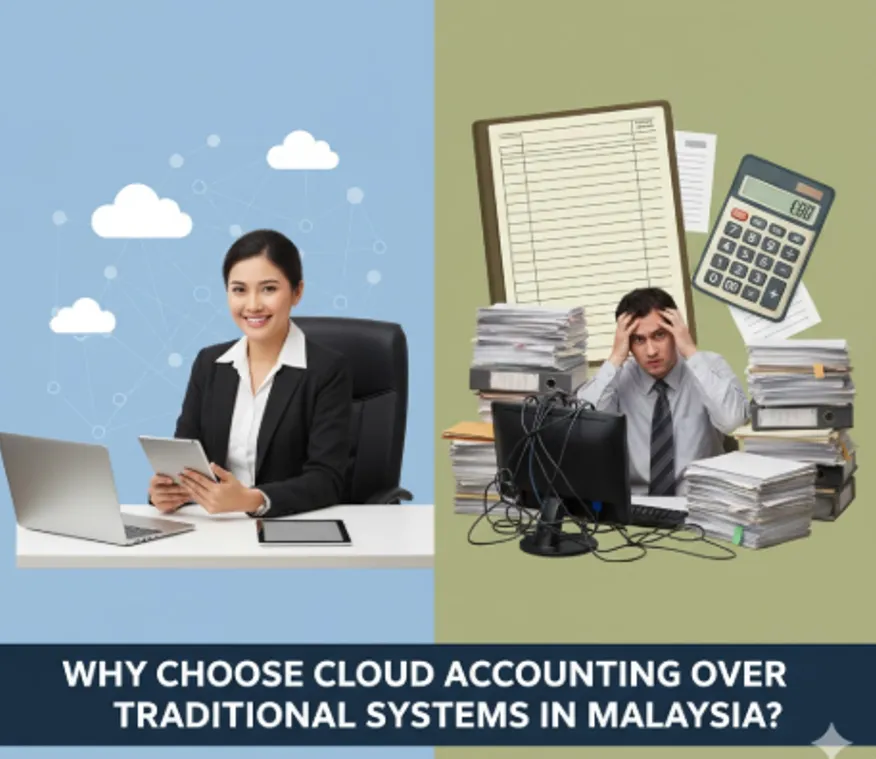
It isn’t easy to run a business in Malaysia nowadays, as costs fluctuate, tax laws are constantly changing, and clients expect a fast turnaround time. However, when back-office functions rely on outdated desktop-based software, it doesn’t make life any easier.
Files sit on one computer, updates take time, and you often need to share documents or reports with your accountant manually. Over time, it slows work down. This is why many Malaysian firms are making the move to cloud accounting, as it provides them with real-time access to numbers and the opportunity to reduce manual work.
It also ensures data safety without requiring any hardware or extensive IT resources. The change isn’t about being trendy. It is all about making it easier to manage your business finances and never worrying about not having enough time to grow your company.
If you run a business in Malaysia, here’s why you should opt for cloud accounting over traditional systems.
1. Real-Time Accessibility with Local Needs in Mind
When you choose financial tools that suit the Malaysian business environment, cloud accounting software that comes with e invoice software Malaysia are more likely to give you the ability to work on any device at any time. The old systems connect your accounting with a single computer. This implies that file sharing becomes slow, and backups always have to be made.
Cloud accounting removes those barriers. You or your accountant can log in from different locations and view updated numbers immediately.
It’s particularly beneficial for companies that serve customers in multiple states or have teams across the country. With the automatic updates of GST and SST changes, there is no need to keep track of the rate changes or download software patches.
You can see your cash flow more clearly during the month, not just at the end of the month. This enables better decision-making instead of reacting late. In short, no matter where you go, you receive near-real-time financial data.
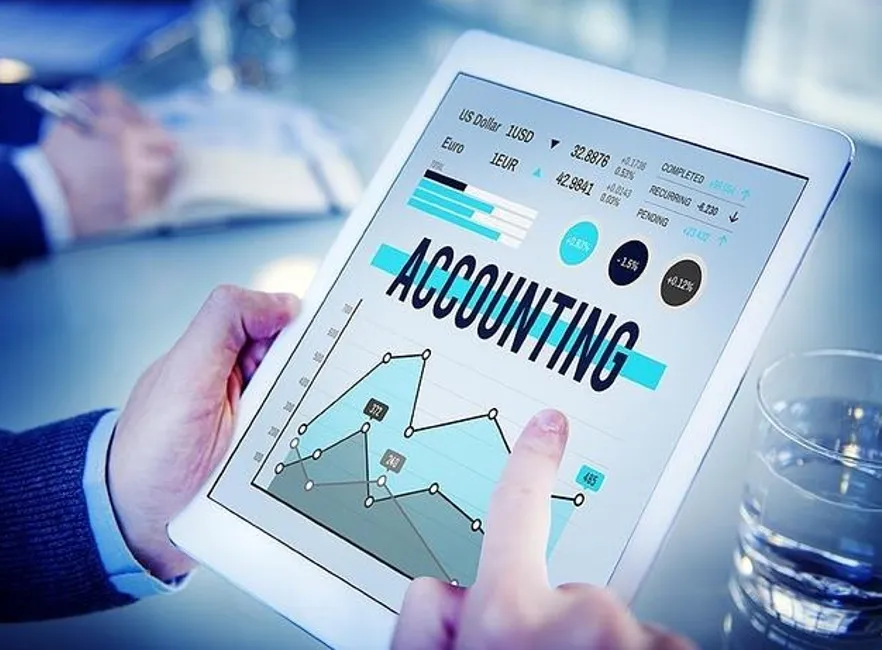
Image Source
2. Lower Upfront Costs and Less Technical Maintenance
Regular accounting systems require you to purchase costly software licenses, possibly pay for the entire IT setup. They also require ongoing maintenance to function correctly. These costs add up, especially for SMEs.
Cloud accounting works differently. You subscribe to the service on a monthly or yearly basis. Updates are installed automatically, so users do not need to install new versions or security fixes manually. This saves both money and time, and you also prevent interruptions from common issues like outdated software.
Everything runs on secure servers, managed by specialists who continually monitor performance to ensure optimal operation. Many SMEs in Malaysia who are on a tight budget find this method to be predictable. What you use will be what you pay for, and you won’t have to worry about surprise maintenance fees.
3. Strong Data Security and Backup Protection
Cybersecurity threats to Malaysian businesses continue to be a significant concern. Business owners regularly worry about losing access to financial records due to hardware failure, theft, or accidental deletion. Traditional accounting systems save your accounts on a local computer or server. If that machine gets damaged, getting the data is nearly impossible.
Cloud accounting platforms handle data quite differently. The data is stored on secure servers in an encrypted format and is automatically backed up daily. This means that your records are safe even if the laptop breaks down or the office computer gets infected with malware.
Access permissions also enable you to control who can view what within your organisation. Instead of copying files and sending them around, you invite team members and give them access based on their roles in the company. This is especially beneficial when compliance issues arise (e.g., audits, tax filing/reporting) for any business.

Image Source
4. Smoother Collaboration with Accountants and Teams
When your books are kept up to date, it is easier to collaborate. Accountants don’t have to wait for you to send files or screenshots. They can log in to the system and access the bookkeeping records immediately, make adjustments, and view reports without disrupting your processes.
This reduces back-and-forth and shortens reporting cycles. Internal teams also work more smoothly. For example, rather than waiting for someone from accounts to export a spreadsheet, your sales and ops teams can check invoice statuses and track supplier payments.
Everyone sees consistent information through a coordinated work system that reduces mistakes caused by outdated records.
5. Better Insights for Decision Making
Accurate financial insight is critical for good business decisions. Getting timely reports manually is usually a substantial challenge in traditional systems. In such systems, data can only be reviewed at the end of the month. However, with cloud accounting solutions, you can get sales summaries, expense breakdowns, profit tracking, and cash flow reports anytime you want.
With real-time data updates, these reports are always current, enabling you to identify trends early. For instance, you can see whether a particular service is growing faster than others, or a specific expense category is increasing. You act more confidently because your data is always up to date. This can optimize your capacity to manage budgets, investments, and strategy.
Image Source
Conclusion
Switching from traditional accounting to cloud-based systems does not replace accountants or make things more difficult. It’s the opposite. Cloud accounting offers businesses and entrepreneurs in Malaysia an easy-to-use and flexible way to manage their accounting, without being tied to a single office computer or outdated accounting software.
You receive real-time reporting, lower overheads, enhanced security, simplified collaboration, and improved financial clarity. It’s a move that enables better functioning and planning for many SMEs and growing businesses that want to manage their finances efficiently.