

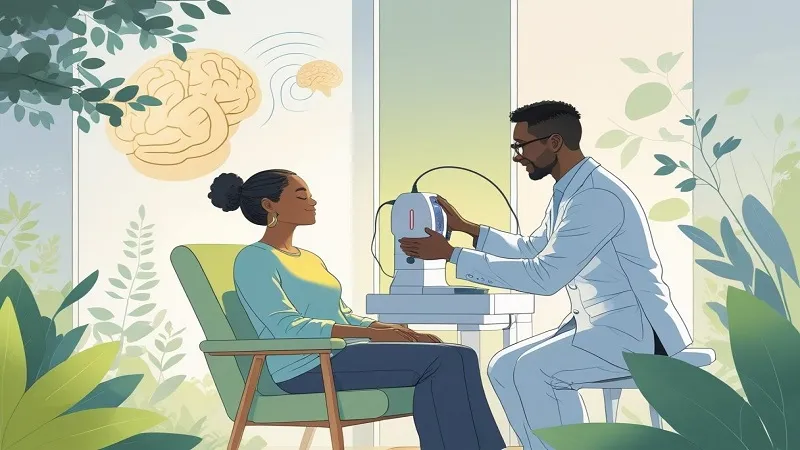
Mental health treatment in Nashville has evolved significantly with the introduction of Transcranial Magnetic Stimulation (TMS) therapy, offering patients a drug-free alternative for depression and other psychiatric conditions. This FDA-cleared treatment uses targeted magnetic pulses to stimulate specific brain regions, helping regulate mood and improve brain function.
TMS therapy provides new possibilities for individuals in Nashville who have not responded well to traditional medications or therapy approaches. Multiple specialized clinics throughout the city now offer this innovative treatment, with success rates reaching 70 to 80% for patients with treatment-resistant depression.
The growing availability of TMS in Nashville reflects a broader shift toward personalized, evidence-based mental health care that addresses symptoms at their neurological source. Patients can access this technology through experienced practitioners who combine clinical expertise with cutting-edge neuroscience to deliver comprehensive treatment plans tailored to individual needs.
Understanding TMS Therapy in Nashville
TMS therapy represents a FDA-approved, non-invasive treatment that uses magnetic fields to target specific brain regions associated with mood regulation. Nashville offers multiple specialized clinics where mental health specialists deliver this evidence-based treatment for depression and other conditions.
What Is Transcranial Magnetic Stimulation?
Transcranial magnetic stimulation is a medical procedure that uses focused magnetic pulses to stimulate nerve cells in specific areas of the brain. The treatment targets regions associated with mood control and depression.
TMS therapy operates as a noninvasive procedure that requires no surgery or anesthesia. Patients remain awake and alert during treatment sessions.
The American Psychiatric Association recognizes TMS as an effective treatment option. The FDA has approved TMS for treating major depressive disorder and other mental health conditions.
Key characteristics of TMS include:
- Non-medication based approach
- Outpatient treatment setting
- No systemic side effects
- Targeted brain stimulation
How TMS Therapy Works
TMS therapy uses magnetic fields similar in strength to those found in MRI machines. A specialized coil placed against the scalp delivers precise magnetic pulses to targeted brain areas.
The magnetic pulses stimulate neurons in the prefrontal cortex. This brain region often shows decreased activity in people with depression.
Treatment sessions typically last 20-40 minutes. Most patients receive daily sessions for 4-6 weeks.
The treatment process involves:
- Precise coil positioning
- Magnetic pulse delivery
- Brain cell activation
- Improved neural communication
Mental health specialists monitor patients throughout each session. The procedure allows patients to return to normal activities immediately afterward.
Key Benefits of TMS Treatment
TMS therapy offers a 70-80% success rate for treating depression. This effectiveness rate makes it particularly valuable for treatment-resistant cases.
The treatment provides several advantages over traditional approaches. Patients experience minimal side effects compared to medications.
Primary benefits include:
- Drug-free treatment option
- No systemic side effects
- Effective for medication-resistant cases
- Maintains cognitive function
Nashville Brain Institute and other local facilities report positive patient outcomes. The treatment helps patients who have not responded to conventional therapies.
TMS therapy allows patients to continue their regular medications if needed. The treatment can complement existing mental health care plans.
A New Hope for Mental Wellness: Clinical Applications and Patient Experience
TMS therapy addresses treatment-resistant depression through targeted brain stimulation while integrating with established treatments like antidepressants and talk therapy. Clinical applications extend beyond depression to include conditions like chronic pain, substance use disorders, and autism spectrum disorders.
TMS Therapy for Treatment-Resistant Depression
Treatment-resistant depression affects patients who haven’t responded to multiple antidepressants or traditional therapy approaches. TMS therapy uses electromagnetic pulses to stimulate underactive brain regions responsible for mood regulation.
The FDA-approved treatment typically involves daily sessions over 4-6 weeks. Patients remain awake during 20-30 minute sessions while receiving precise magnetic stimulation to the prefrontal cortex.
Clinical outcomes show:
- 50-60% of patients experience significant improvement
- 30-40% achieve full remission
- Effects often last 6-12 months or longer
Patients with dysphoric symptoms often see improvements in mood, energy, and cognitive function. The non-invasive nature means no anesthesia or recovery time is required.
Many Nashville clinics report success rates comparable to national averages. Patients can drive themselves to appointments and return to normal activities immediately.
Integration With Other Treatments and Services
TMS therapy works alongside existing mental health treatments rather than replacing them. Patients often continue psychotropic medications during TMS sessions with physician oversight.
Common treatment combinations include:
- TMS + antidepressants for enhanced effectiveness
- TMS + talk therapy for comprehensive care
- TMS + ketamine IM therapy for severe cases
Some Nashville facilities offer integrated services including neurology services, autism testing, and substance use disorder treatment. This allows patients to address multiple conditions simultaneously.
Guided TMS therapy incorporates real-time brain mapping to optimize treatment positioning. Natural supplements may be recommended to support overall brain health during treatment.
Patients receiving treatment for SUDs (substance use disorders) often benefit from combining TMS with Suboxone for addiction management. The magnetic stimulation can reduce cravings while medications address withdrawal symptoms.
Expanding Uses: Beyond Depression
TMS applications extend far beyond depression treatment. Research supports its use for various neurological and psychiatric conditions affecting Nashville residents.
Approved and emerging applications:
- Obsessive-compulsive disorder (FDA-approved)
- Chronic pain conditions
- Tinnitus (ringing in ears)
- Cigarette smoking cessation
- Opioid addiction recovery
Chronic pain patients often experience relief through targeted brain stimulation. The treatment modulates pain perception pathways without requiring additional medications.
For substance use disorders, TMS reduces cravings and withdrawal symptoms. Patients with opioid addiction show decreased drug-seeking behaviors when TMS targets reward pathways.
Cigarette smoking cessation programs use TMS to reduce nicotine cravings. Studies indicate higher quit rates when combining TMS with behavioral interventions.
Tinnitus patients receive stimulation to auditory processing areas. While results vary, many experience reduced symptom severity and improved quality of life.
Autism testing facilities increasingly explore TMS for repetitive behaviors and social communication improvements in adults on the spectrum.