

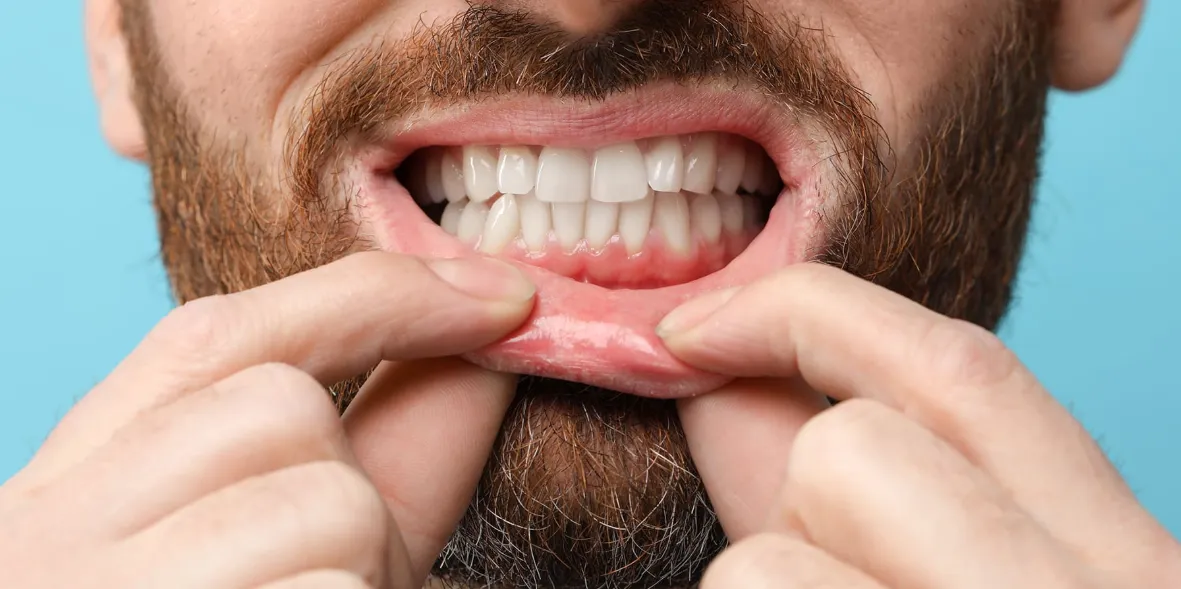
A bone spur in the gums is a small piece of bone that pushes through the gum tissue, often after a tooth extraction or dental procedure. In many cases, small bone fragments work their way out naturally as the gums heal. However, if the area becomes painful, swollen, infected, or difficult to eat with, a dentist may need to remove the fragment safely.
A bone spur in gums may feel sharp, rough, or irritating against the tongue or cheeks. Some people notice a tiny white fragment poking through the gumline, while others experience soreness or swelling during healing. Although these fragments are usually harmless, they can still cause discomfort if they remain exposed for too long.
Why Bone Spurs Develop
Bone spurs can happen for several reasons during the healing process:
| Possible Cause | Explanation |
| Tooth extraction | Small bone fragments remain after surgery |
| Jawbone healing | Bone reshapes as the socket heals |
| Trauma or injury | Bone edges become exposed |
| Oral surgery | Minor fragments may surface later |
| Infection or inflammation | Delayed healing can expose bone |
Although bone spurs can feel alarming, they are usually part of the body’s normal healing response.
How to Safely Remove a Bone Spur From Gums
If you think you have a bone spur in your gums, gentle home care may help the area heal and allow small fragments to work themselves out naturally.
- Rinse gently with warm salt water: Salt water may help reduce irritation and keep the area clean.
- Keep the area clean: Brush carefully around the gums to reduce bacteria buildup.
- Avoid touching the area repeatedly: Constant poking may worsen irritation or delay healing.
- Eat soft foods: Soft foods reduce pressure and discomfort while chewing.
- Use over-the-counter pain relief if needed: Mild pain relievers may help manage soreness temporarily.
- Contact a dentist if pain worsens or persists: Ongoing discomfort may require professional removal.
Important Note: Do not attempt to cut or pull deeply embedded bone fragments yourself.
Trying to forcefully remove a deeply attached bone spur can injure the gums, increase bleeding, or cause infection. If the fragment feels firmly attached or extremely painful, professional treatment is the safest option.
Can a Bone Spur Come Out on Its Own?
Yes, many small bone spurs come out naturally during the healing process. After a tooth extraction or oral surgery, the body slowly pushes loose bone fragments toward the surface as the gums repair themselves. Some people notice the sharp edge gradually becoming smaller or eventually falling out on its own while eating or rinsing the mouth.
However, the healing process can take time. Small fragments may resolve within a few days, while others remain noticeable for several weeks. Maintaining good oral hygiene and avoiding repeated touching of the area can help support healing and reduce discomfort.
In children, healing after dental procedures should also be monitored carefully. Parents seeking guidance from providers experienced in pediatric dentistry fredericksburg va may receive recommendations for managing healing and recognizing signs of complications after extractions or oral surgery.
When Does a Dentist Need to Remove a Bone Spur?
Some bone spurs heal naturally, while others may require professional dental treatment.
| Symptom | May Require Dental Treatment? |
| Mild irritation | Usually no |
| Sharp bone edge for weeks | Possibly |
| Swelling or pus | Yes |
| Severe pain | Yes |
| Difficulty eating | Often |
| Fever or infection signs | Immediate care needed |
If the area becomes infected or healing slows significantly, a dentist may need to remove the exposed fragment to allow the gums to close properly.
How Dentists Remove Bone Spurs
When a dentist removes a bone spur, the procedure is usually quick and performed under local anesthesia. First, the dentist examines the area to determine whether the fragment is loose or still attached to the jawbone. Small loose fragments may be gently lifted out with dental instruments, while larger or deeper spurs sometimes require a minor surgical procedure.
The dentist may smooth rough bone edges and clean the area thoroughly to help the gums heal more comfortably. In most cases, the procedure causes only mild discomfort, and recovery is relatively fast. Seeking treatment from experienced professionals, such as the team at kakar dental group, can help ensure the area heals properly and reduce the risk of infection or ongoing irritation.
Recovery After Bone Spur Removal
Recovery after bone spur removal is usually simple and takes a few days to up to two weeks, depending on the size of the fragment and gum condition. Mild soreness or swelling is common at first but typically improves quickly with proper care. Dentists usually recommend soft foods, gentle salt water rinses, and good oral hygiene to support healing and prevent infection.
Frequently Asked Questions
Can I pull a bone spur out myself?
You should avoid removing deeply embedded bone fragments yourself because it may cause infection or injury.
How long does it take for a bone spur to come out?
Some bone spurs resolve within days, while others may take several weeks.
Are bone spurs painful?
They can cause irritation, soreness, or pain, especially while chewing.
What happens if a bone spur is left untreated?
Small spurs may heal naturally, but persistent ones can continue irritating the gums.
Can salt water help a bone spur?
Warm salt water rinses may help soothe the gums and support healing.
Conclusion
A bone spur in the gums is usually a temporary healing issue that can happen after tooth extraction or oral surgery. While many small fragments come out naturally, some can cause ongoing irritation, pain, or swelling that requires professional treatment. Gentle home care, including salt water rinses and soft foods, may help support healing and reduce discomfort. However, persistent pain, infection, or difficulty eating should always be evaluated by a dentist. Understanding when to monitor the area at home and when to seek care can help protect your oral health and ensure proper healing.