

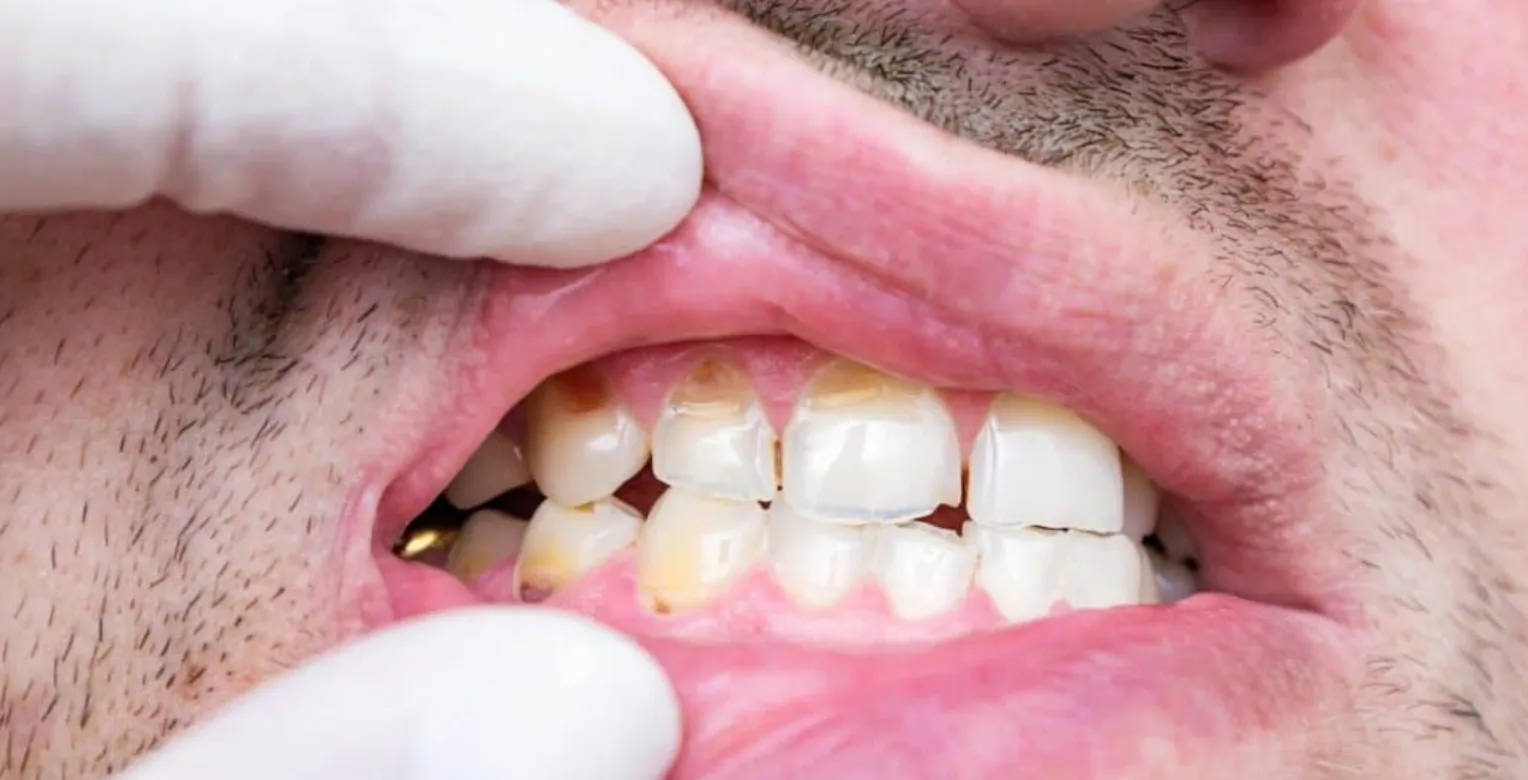
Your teeth should last your whole life. Early enamel erosion puts that promise at risk. You might see it as slight yellowing, small chips, or new pain with cold drinks. You might notice nothing at all. A general dentist sees these early shifts every day and knows how to stop them before they turn into deep cavities or tooth loss. During a routine visit, a dentist in Chinatown, Lower Manhattan, NY looks closely at the smoothness, color, and shape of each tooth. Then you get clear steps. You learn what is wearing your enamel down. You get simple treatments that protect what you still have. You gain new daily habits that keep acid and grinding from stealing more enamel. Early action keeps your bite strong, your smile steady, and your future dental costs lower.
What Enamel Erosion Looks And Feels Like
Enamel is the hard outer shell that covers each tooth. It protects the softer inner layers from heat, cold, sugar, and bacteria. Once enamel wears away, it does not grow back. That is why early care matters.
You may notice three early warning signs.
- Change in color. Teeth look more yellow because the inner layer shows through.
- Change in shape. Edges look thinner or more uneven. Small chips appear.
- Change in feeling. Cold water, sweet foods, or brushing cause sharp pain.
Sometimes you feel nothing. A dentist still sees flat spots, tiny pits, and dull shine that signal erosion. That quiet damage is just as serious.
Why Enamel Starts To Wear Away
Enamel erosion often comes from three main sources.
- Acid in drinks and food such as soda, sports drinks, citrus juice, and sour candy
- Stomach acid from reflux or repeated vomiting
- Grinding or clenching that scrapes and crushes enamel
The Centers for Disease Control and Prevention explains that frequent sugary drinks raise the risk for tooth loss and decay. You can read more about this pattern on the CDC site at https://www.cdc.gov/.
Every person has a different mix of causes. A dentist studies your teeth, your daily habits, and your health history to find the main cause. Then treatment matches your true needs.
How General Dentists Spot Early Erosion
During a routine visit, you get three key checks.
- Visual exam. The dentist looks for shine loss, flat spots, chips, and color changes.
- Touch test. The dentist uses a small tool to feel rough spots and thin edges.
- X-rays. These images show deeper wear and hidden decay.
The dentist may also ask about heartburn, sleep problems, diet, and sports drinks. These questions are not small talk. They help match what is seen in your mouth with what happens in your day.
Common Treatments For Early Enamel Erosion
When erosion is caught early, treatment is often simple and focused. The goal is to stop the loss, ease pain, and protect the tooth.
Fluoride Treatments
Fluoride hardens the outer layer of teeth. A dentist may paint a strong fluoride varnish on worn spots. You might also get a fluoride gel or mouth rinse to use at home.
Bonding And Small Fillings
If edges chip or teeth feel rough, the dentist can place tooth colored material on the worn parts. This bonding covers exposed inner layers and restores shape. It also reduces pain from cold or sweet foods.
Night Guards For Grinding
If you grind at night, a clear custom guard separates your teeth. It absorbs pressure and keeps enamel from wearing away. You wear it while you sleep.
Support For Medical Causes
If stomach acid or reflux plays a role, the dentist may work with your doctor. You might adjust medicine, meal timing, or sleep position. The National Institute of Diabetes and Digestive and Kidney Diseases shares simple steps for managing reflux at https://www.niddk.nih.gov/.
Comparing Early Treatment Options
| Treatment | Best For | What It Does | Visit Time |
|---|---|---|---|
| Fluoride varnish | Very early wear with mild sensitivity | Hardens enamel and slows future wear | About 10 to 15 minutes |
| Bonding | Chipped edges and rough or thin spots | Covers exposed inner layer and restores shape | About 30 to 60 minutes per tooth |
| Small filling | Early cavity in worn enamel | Removes decay and seals the tooth | About 30 minutes per tooth |
| Night guard | Grinding or clenching during sleep | Protects enamel from pressure and friction | Two short visits for fitting and delivery |
Daily Habits That Protect Your Enamel
Treatment alone is not enough. Your daily choices decide how long that care lasts. Three simple habits protect enamel.
- Limit acidic drinks. Keep soda, sports drinks, and juice as rare treats. Rinse with water after.
- Brush with fluoride toothpaste twice a day. Use a soft brush and gentle pressure.
- Wait to brush after acid exposure. Give your saliva 30 minutes to wash away acid.
You can also chew sugar-free gum to boost saliva. You can drink water instead of sipping sweet drinks all day. These small shifts help your mouth recover between meals.
When You Should Call A Dentist
Do not wait for severe pain. Call a dentist if you notice three signs.
- Sharp pain from cold water or air
- Teeth that look shorter, flatter, or more yellow
- Rough edges that catch on your tongue
Even if you notice nothing, keep regular checkups. Early enamel erosion often hides from you. It does not hide from a trained eye. Prompt care costs less, feels easier, and protects more of your natural tooth.
Your teeth carry you through every meal, every laugh, and every word you speak. Early action against enamel erosion keeps that strength on your side.