

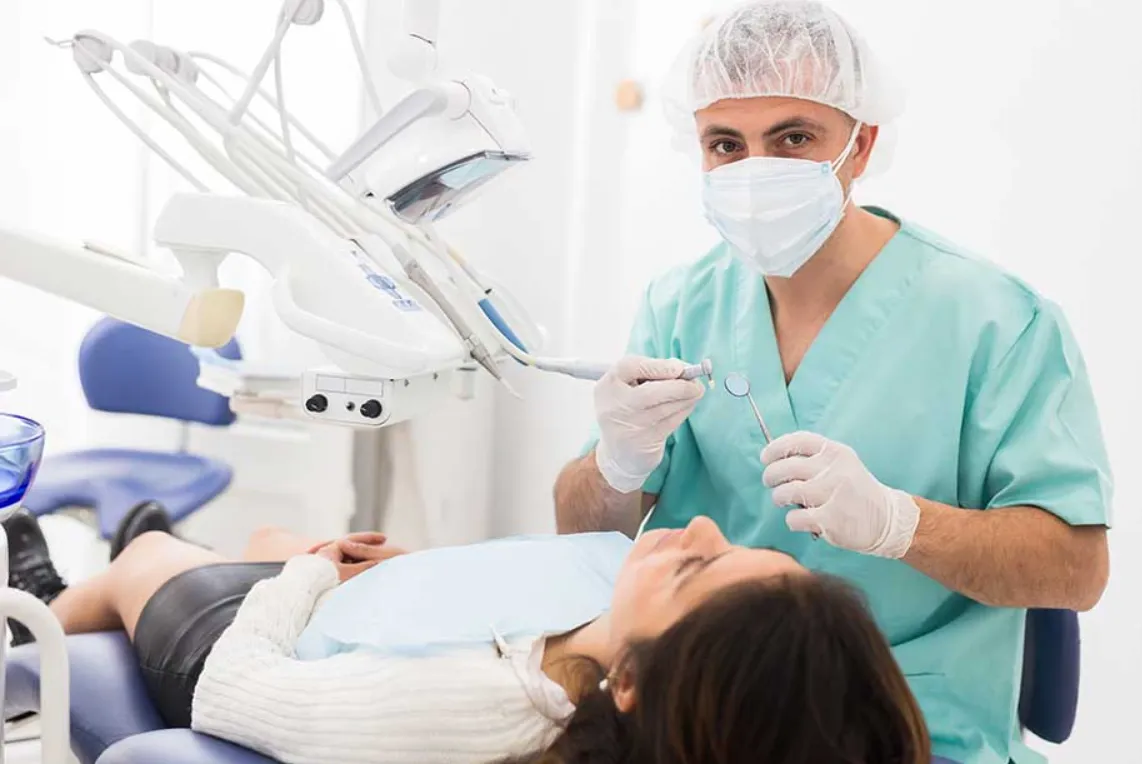
General dentistry has embraced modern technology, improving your dental care and experience. Today, technology ensures faster, more accurate treatments. This means you spend less time in the chair and more time enjoying your healthy smile. Tools like digital X-rays, 3D imaging, and laser dentistry offer you precise diagnostics and treatments. These advancements reduce discomfort and speed up recovery. For example, if you’re considering dental veneers in Brookhaven, GA, technology plays a crucial role. Precise imaging lets your dentist tailor veneers to fit perfectly. Moreover, digital records allow for seamless information sharing, enhancing collaboration among your dental team. The focus is on giving you a healthier mouth with less hassle. By staying updated with these innovations, you receive care that is efficient and effective. Ultimately, technology in dentistry offers you better outcomes and a more personalized approach. With these tools, your comfort and needs are prioritized every step of the way.
Digital X-Rays
Digital X-rays have revolutionized how dentists examine your teeth. Unlike traditional X-rays, digital versions reduce your exposure to radiation. They also provide clearer images almost instantly. This immediacy allows your dentist to diagnose issues quickly. Early detection of problems like cavities or bone loss means you receive timely interventions, preventing more serious issues down the road. According to the National Institute of Dental and Craniofacial Research, technology in dental care significantly enhances diagnostic accuracy.
3D Imaging and Printing
3D imaging offers you and your dentist a detailed view of your dental structure. This clarity is crucial for planning complex procedures like orthodontics or implants. Your dentist can create a comprehensive treatment plan tailored to your needs. With 3D printing, creating models of your teeth has become a reality. These models help visualize the outcome of treatments, giving you a clear idea of what to expect.
Laser Dentistry
Laser technology in dentistry reduces discomfort and speeds up recovery. Lasers target specific tissues, minimizing damage and promoting faster healing. Procedures like gum reshaping or cavity treatment become less invasive. This means less swelling and discomfort for you. The U.S. Food and Drug Administration has approved several dental lasers, ensuring they are safe and effective.
Intraoral Cameras
Intraoral cameras allow your dentist to view hard-to-see areas in your mouth. These tiny cameras capture detailed images of your teeth and gums. Your dentist can then share these images with you, enhancing your understanding of your oral health. This transparency builds trust and empowers you to make informed decisions about your care.
Tele-Dentistry
Tele-dentistry connects you with dental professionals remotely. This option is especially useful if you live in a rural area or have mobility issues. Consultations, follow-ups, and even some diagnostic services can be done virtually. Tele-dentistry ensures you receive continuous care without the need for frequent office visits.
Comparing Traditional vs. Modern Techniques
| Aspect | Traditional Techniques | Modern Techniques |
|---|---|---|
| Imaging | Film-based X-rays | Digital X-rays, 3D imaging |
| Treatment Speed | Longer wait times | Immediate diagnostics |
| Comfort | Invasive procedures | Laser dentistry, less invasive |
| Recovery | Longer healing time | Faster recovery with lasers |
Future of Dentistry
As technology continues to evolve, dentistry will further improve your care. Advancements in AI and machine learning may soon assist in diagnosing conditions you might not notice. These technologies will support your dentist in providing even more customized treatments. Embracing these changes ensures you receive the highest standard of care available.
Incorporating modern technology into general dentistry is more than just a trend. It’s a commitment to improving your dental health and overall experience. By staying informed and engaged with these advancements, you ensure your oral health remains in the best hands.