

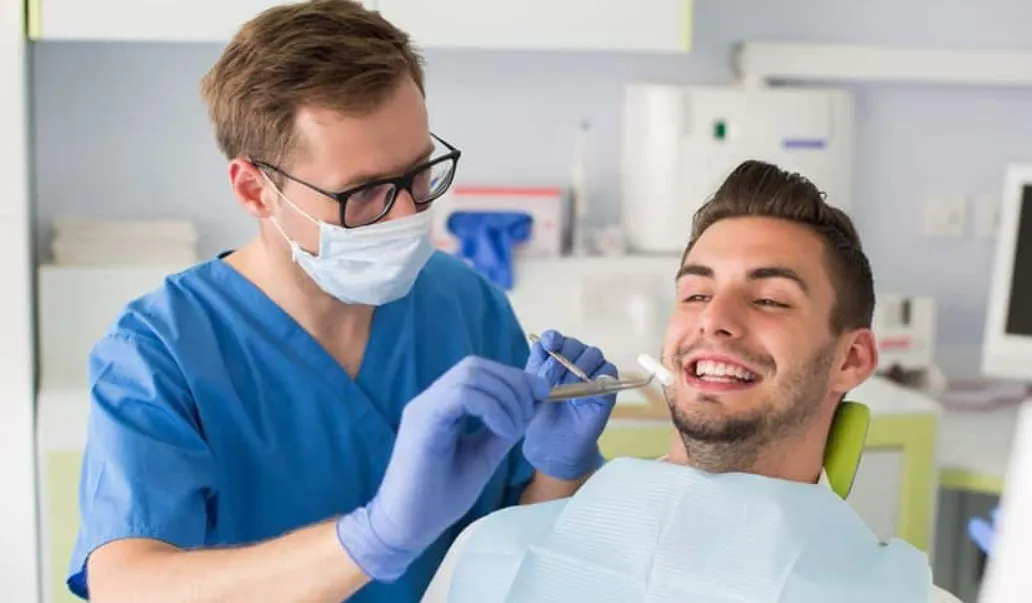
Adolescence hits hard. Your body changes. Your schedule fills. Your mouth often gets ignored. Yet this stage sets the pattern for your teeth and gums for decades. Family dentistry steps in as a steady guide. You get one trusted office, one history, one team that knows you and your child. Regular visits catch small cavities before they spread. Honest talks about sugar, sports drinks, and vaping protect enamel. Clear guidance on braces, injuries, and wisdom teeth reduces fear and confusion. If you already see a dentist in Surprise, AZ, you can bring your teen into a setting that feels familiar. That comfort matters when your child feels awkward or ashamed. A family dentist does not just fix problems. Instead, they track growth, explain choices in plain words, and help your teen build habits that last.
Why the Teen Years Put Teeth At Risk
Teen life pushes oral health into the background. You see it in three ways.
- More sugar and snacks
- Less sleep and rushed routines
- New risks like sports, piercings, and vaping
The Centers for Disease Control and Prevention reports that about half of teens have had a cavity in their permanent teeth. CDC data also show that decay often goes untreated. That means pain, missed school, and loss of focus.
Teens also want control. They push back. They may skip brushing. They may hide pain until it grows. A family dentist understands this stubborn stage. You get clear talk, not shame. Your teen hears why choices matter right now, not just someday.
How Family Dentistry Fits Your Teen’s Changing Mouth
A family dentist follows your child from early teeth through late teens. This long view matters. The dentist knows your child’s history, fears, and habits. That knowledge shapes better care.
Here is how family dentistry supports your teen.
- Growth checks. The dentist tracks jaw growth and tooth position. They spot crowding and bite problems early. That can shorten or prevent braces.
- Early cavity control. Regular cleanings remove plaque your teen misses. X rays find decay between teeth where brushing cannot reach.
- Gum health. Hormone shifts can inflame gums. A family dentist teaches simple steps to reduce bleeding and swelling.
- Wisdom tooth planning. The dentist watches wisdom teeth and plans safe timing for removal if needed.
- Sports and injury care. The dentist fits mouthguards and treats chipped or knocked out teeth fast.
The American Dental Association explains that steady checkups and cleanings cut the risk of decay and gum disease. You can read more in the ADA’s patient resources at MouthHealthy for Teens.
Daily Habits: What Teens Often Miss
Teens hear “brush and floss” all the time. Many still skip steps. Your family dentist breaks habits into clear actions.
- Brush for two minutes, twice a day
- Use fluoride toothpaste
- Floss once a day, even with braces
- Limit sugary drinks to mealtimes
- Drink plain water between meals
Here is a simple comparison that you can share with your teen.
Teen Oral Habits And Their Impact
| Habit | Short Term Effect | Long Term Effect |
|---|---|---|
| Brushing twice a day | Cleaner mouth and fresher breath | Fewer cavities and less gum disease |
| Flossing daily | Less food stuck between teeth | Lower risk of decay between teeth |
| Sugary drinks every day | Coated teeth and dry mouth | High cavity risk and enamel loss |
| Regular dental visits | Early help and quick fixes | Stable teeth and fewer major treatments |
You do not need fancy tools. You need steady habits. Your family dentist backs you up with praise when your teen improves and direct feedback when they slip.
Support For Braces And Aligners
Many teens wear braces or clear aligners. These devices trap food. They raise the risk of white spots and decay. A family dentist helps your teen protect their smile during treatment.
- Shows brushing around wires and brackets
- Recommends floss threaders or small brushes
- Checks for early white spots and treats them fast
- Explains which snacks break brackets or bend wires
When your general dentist and orthodontist work together, care feels smoother. Your teen receives one clear message about what to do each day.
Talking About Tough Topics
Adolescence includes hard choices. Your teen may face pressure to vape, smoke, or use alcohol. They may want an oral piercing. They may feel shame about bad breath.
A family dentist creates a safe space. Many teens open up more in the dental chair than at the dinner table. The dentist can
- Show how vaping dries the mouth and raises decay risk
- Explain how piercings can chip teeth and infect gums
- Link bad breath to plaque, diet, or mouth breathing
You stay the parent. The dentist adds another adult voice that confirms your message with clear facts and real stories.
How You Can Partner With Your Family Dentist
Your role stays strong through the teen years, even when your child pulls away. You can
- Keep regular six month visits on the calendar
- Ask the dentist to speak directly to your teen
- Model your own checkups and cleanings
- Limit sugary drinks at home
- Use sports mouthguards for any contact sport
Teens still watch you. When they see you treat your own teeth with respect, they learn that their mouth matters too.
The Long Reach Of Family Dentistry
Adolescence does not last. The habits your teen builds now will follow them into adult life. A steady family dentist helps your child cross this rough stretch with stronger teeth, healthier gums, and more control.
You do not need perfection. You need progress. With your support and the help of a trusted dental home, your teen can leave these years with a smile that feels strong, clean, and ready for what comes next.