

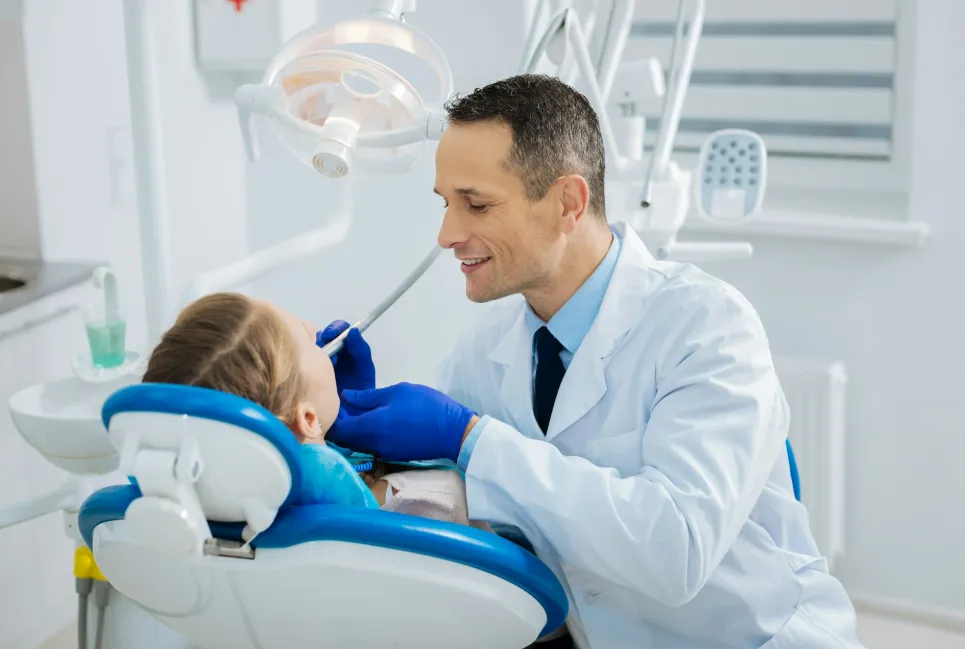
Orthodontic care can feel confusing. Braces, aligners, and frequent visits can leave you unsure about your next step. Your family dentist helps you through this. A trusted Antioch dentist can guide you before, during, and after orthodontic treatment. You do not have to figure out every choice on your own. Your family dentist already knows your history, your daily habits, and your worries. That history helps you choose the right orthodontic plan. It also helps you stay on track when life gets busy. During orthodontic care, your family dentist checks your teeth and gums, explains what changes to expect, and shows you how to clean around wires and trays. After treatment, your dentist helps protect your results and prevent new problems. This support turns a stressful process into a clear path you can follow with confidence.
How Family Dentistry and Orthodontics Work Together
Orthodontists move teeth. Family dentists protect teeth. You need both. You see your family dentist for cleanings, fillings, and everyday problems. You see the orthodontist for braces or aligners. When these two work together, you get safer care and clearer guidance.
Research from the National Institute of Dental and Craniofacial Research shows that tooth decay is common in both children and adults. Crowded teeth are harder to clean. Orthodontic tools can trap food. You face more risk of decay and gum trouble. Your family dentist understands that risk and builds a plan around it.
You can think about three stages.
- Before orthodontic care
- During active treatment
- After braces or aligners come off
Your dentist has a role in each stage and helps you know what to expect.
Before Orthodontic Treatment: Laying the Groundwork
Before you start braces or aligners, your family dentist checks that your mouth is ready. This step protects you from pain and extra costs later.
Your dentist will usually:
- Check for cavities and repair them
- Treat gum swelling or bleeding
- Look for teeth that need removal
- Review your brushing and flossing habits
- Talk through your goals and budget
Early care is especially important for children. Guidance from the Centers for Disease Control and Prevention shows that children with poor oral health miss more school and struggle with daily tasks. When your family dentist spots crowding, thumb sucking, or jaw problems early, you get more options and usually shorter treatment.
During Orthodontic Care: Staying Healthy and Informed
Once braces or aligners are on, your life changes. Eating changes. Cleaning changes. Smiling can feel strange. Your family dentist helps you adjust and stay on track.
Guidance on Daily Care
Your dentist shows you simple steps to protect your teeth.
- How to angle your toothbrush around brackets and wires
- How to use floss threaders or special floss picks
- Which foods to limit to avoid broken brackets
- How to handle soreness with safe pain options
Your dentist also gives you clear rules in groups of three.
- Brush three times each day
- Floss at least once each day
- Rinse after every snack or sugary drink
Regular Checkups and Communication
You still need routine cleanings while you see the orthodontist. These visits let your dentist:
- Remove plaque and hardened buildup around brackets
- Watch for white spots that show early decay
- Check that your gums stay firm and do not bleed
Your family dentist can also talk with your orthodontist. They can share X rays, photos, and notes. This teamwork means that if a problem starts, both know about it and adjust your care.
After Treatment: Protecting Your New Smile
When braces or aligners come off, you feel relief. You also face a new risk. Teeth can shift back. Old habits can return. Your family dentist helps you protect your progress.
After treatment, your dentist will:
- Check the fit of your retainers and remind you to wear them
- Fix any rough spots where brackets used to sit
- Talk about grinding, clenching, or sports guards
- Guide you on whitening options if you want them
You get clear follow up visits. You get simple steps to keep your bite strong. You also get support if you feel worried that teeth are shifting again.
Comparing Care With and Without Family Dentistry Support
The table below shows how guidance from a family dentist changes your orthodontic experience.
| Aspect of Care | With Family Dentist Guidance | Without Family Dentist Guidance |
|---|---|---|
| Before Treatment | Cavities and gum issues treated. Clear plan for cleaning and diet. | Hidden decay or infection may stay. Higher chance of pain once braces start. |
| Daily Cleaning | Specific brushing and flossing steps that fit your tools and age. | General advice only. You guess what works and what does not. |
| Checkups | Regular cleanings. Early spotting of white spots and gum swelling. | Problems found late. More risk of stains and long term damage. |
| Communication | Dentist and orthodontist share records and adjust plans together. | Each provider works alone. You carry messages between them. |
| After Treatment | Support with retainers, grinding, and long term care. | Higher chance of teeth shifting back and new wear or cracks. |
How Parents and Caregivers Can Support Children
If you care for a child, you carry extra weight during orthodontic care. Your family dentist can help you share that weight.
You can work together on three simple steps.
- Set a routine. Brush after breakfast, after school, and before bed.
- Use rewards. Track retainer use or brushing on a chart and give small rewards.
- Plan food. Keep soft, brace friendly snacks ready so your child is not tempted by sticky treats.
Your dentist can also talk directly with your child. Clear words from a trusted adult can calm fear and reduce pushback at home.
When to Call Your Family Dentist During Orthodontic Care
You should reach out to your family dentist if you notice:
- Bleeding gums that do not improve with better brushing
- White or brown spots near brackets
- Bad breath that stays even after cleaning
- Cracks, chips, or sudden pain in a tooth
Your dentist can see you quickly, treat the problem, and coordinate with the orthodontist so your treatment does not stall.
Moving Forward With Confidence
Orthodontic care changes how you eat, talk, and smile. It can stir up worry and confusion. You do not need to carry that alone. A family dentist gives you a steady voice, clear steps, and early protection from problems. With that support, braces or aligners become less confusing. You gain a straight smile and you keep your teeth strong for years.