

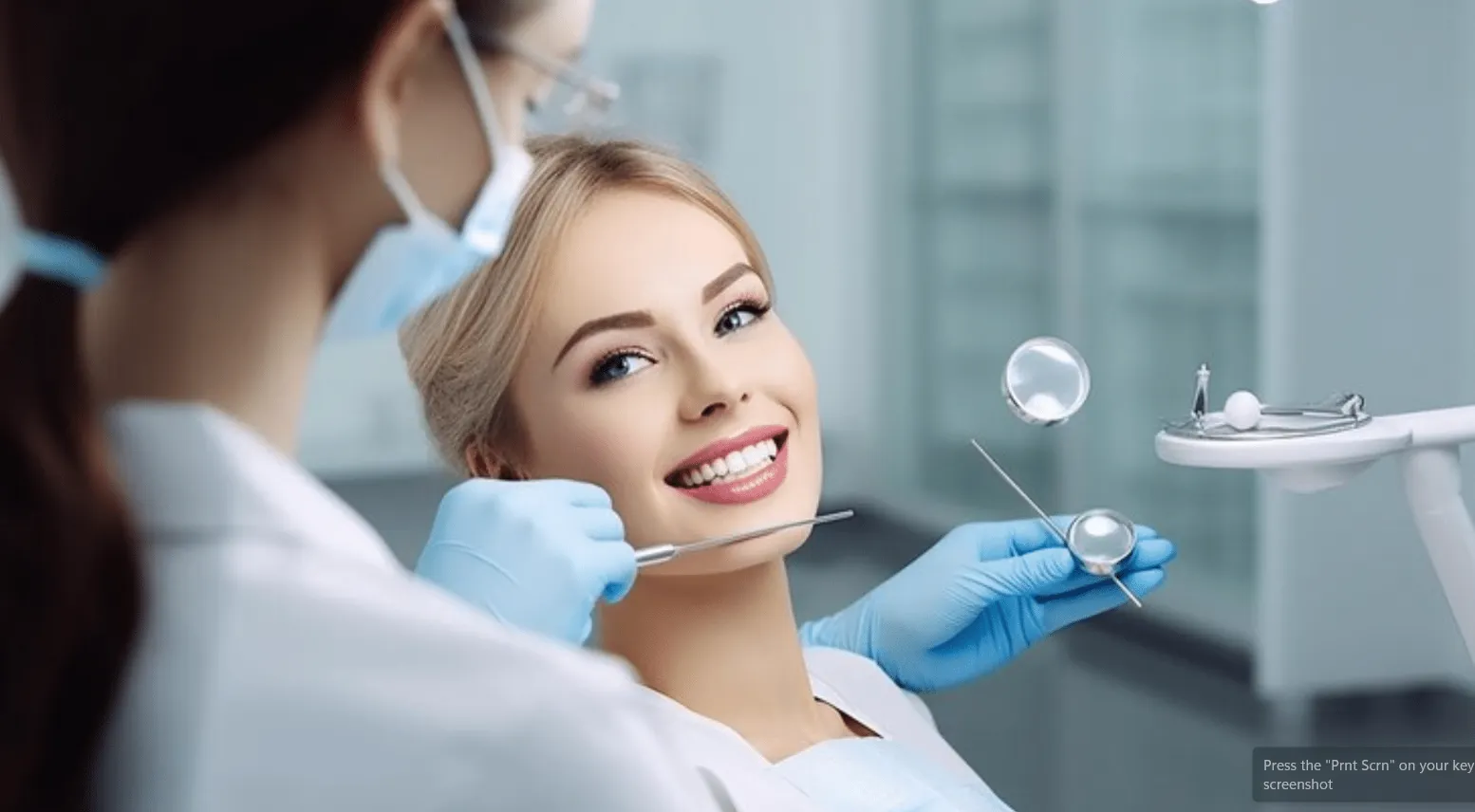
Cosmetic dentistry is not only about looks. It also protects your teeth, gums, and jaw for many years. When you fix chips, gaps, stains, or worn teeth, you lower your risk for cavities, cracks, and painful infections. You also chew better and speak with more ease. As a result, you feel more willing to smile, brush, and keep up with checkups. A West LA dentist can use cosmetic treatments to correct small problems before they turn into serious damage. For example, bonding can seal weak spots. Aligners can straighten crowded teeth that trap food. Veneers can cover deep stains that hide decay. Each step supports your long term oral wellness. You deserve care that respects your health and your time. This blog will show how cosmetic dentistry can give you a stronger bite, cleaner teeth, and a smile you trust every single day.
Why appearance and health are linked
You care how your smile looks. That feeling is not shallow. It is human. When you like your smile, you use it more. You also tend to brush longer, floss more often, and keep your cleanings. That daily effort protects you from tooth loss and gum disease.
The reverse is also true. If you hide your teeth, you might skip care. You might avoid smiling in photos. You might even avoid certain foods. Over time this can hurt your body and your mood.
Cosmetic dentistry respects both sides. It improves how your teeth look. It also supports the biology of your mouth so you can eat, speak, and clean your teeth with less strain.
Common cosmetic treatments that protect your mouth
Many cosmetic treatments started as health treatments. The goal is to restore normal shape and function. The fact that they also improve appearance is a bonus.
Here are three common choices you might discuss with your dentist.
- Tooth colored fillings and bonding. These materials match your tooth. They fill chips and close small gaps. They stop cracks from spreading. They also protect the nerve inside the tooth from heat and cold.
- Orthodontic aligners or braces. Straighter teeth are easier to clean. Crowded teeth trap food and bacteria. Over time this raises your risk for decay and gum disease. Straighter teeth also spread biting force more evenly.
- Veneers and crowns. Thin covers on the front of teeth or full covers around teeth can restore worn edges and protect weak teeth. They can also correct shape and color that do not respond to whitening.
The American Dental Association explains how restorations such as fillings and crowns help you keep natural teeth longer.
How cosmetic dentistry supports long term wellness
Cosmetic care supports long term wellness in three key ways.
1. Stronger teeth and bite
First, cosmetic work can restore worn or broken teeth. When teeth have proper shape, they share pressure when you chew. This lowers stress on the jaw joint. It also lowers the risk of new cracks.
Second, aligned teeth reduce abnormal wear. Your front teeth should cut food. Your back teeth should grind it. When teeth are out of place, they work against each other and wear down faster.
2. Cleaner mouth with less disease
Crowded or twisted teeth create tight spots that your brush and floss cannot reach. Food stays in those spots. Bacteria feed on that food and release acid. That acid eats away enamel and irritates gums.
When teeth are straighter and smoother, you can clean them with less effort. This lowers risk for cavities and gum disease. The Centers for Disease Control and Prevention notes that good oral health supports your heart, blood sugar control, and pregnancy outcomes. You can see this summary at the CDC oral health page at cdc.gov.
3. Better daily habits and confidence
When you invest time in your smile, you are more likely to protect it. People who finish cosmetic care often report three changes.
- You brush longer and with more care.
- You keep regular cleanings and exams.
- You think twice before using tobacco or sugary drinks.
This change in habit reduces disease risk for years. It also supports better breath and comfort in social settings.
Cosmetic treatments and long term value
You might worry that cosmetic care is only short term. That is not always true. When planned well, cosmetic treatment can delay or prevent bigger work like extractions or implants.
The table below shows how three common cosmetic options can affect long term health.
| Treatment type | Main cosmetic goal | Health benefit | Typical life span with care |
|---|---|---|---|
| Bonding or tooth colored filling | Match tooth color and shape | Seal cracks and stop decay | 5 to 10 years |
| Clear aligners or braces | Straighter smile | Easier cleaning and balanced bite | Results can last decades with retainers |
| Porcelain veneer or crown | Change shape and color | Protect weak or worn tooth | 10 to 15 years or more |
These time frames are averages. Your habits matter. Daily cleaning, fluoride, and regular checkups extend the life of cosmetic work and your natural teeth.
Questions to ask your dentist
You have a right to clear answers. Before you start cosmetic treatment, ask three direct questions.
- How will this help my mouth stay healthy for the next ten years
- What daily care will I need to protect this work
- What are the risks if I do nothing right now
Also ask for photos or models that show how your bite will change. Make sure you understand if any tooth trimming is needed and how much healthy tooth will remain.
How to support your results at home
Cosmetic care does not replace daily care. It depends on it. You can protect your investment and your health with three simple habits.
- Brush twice each day with fluoride toothpaste. Use small circles at the gumline.
- Clean between teeth once each day with floss or a small brush.
- See your dentist at least every six months or as advised for cleanings and exams.
In addition, limit sugary drinks to mealtimes. Drink water between meals. Use a mouthguard if you grind your teeth at night or play contact sports.
Taking the next step
Your smile affects how you eat, speak, and connect with people you love. Cosmetic dentistry can support that smile and protect your future health when it is planned with care.
You do not need to choose every option. You can start small. You might repair one chipped tooth. You might straighten a few crowded teeth. Each step you take toward a cleaner, more stable bite supports your long term oral wellness and your daily comfort.