

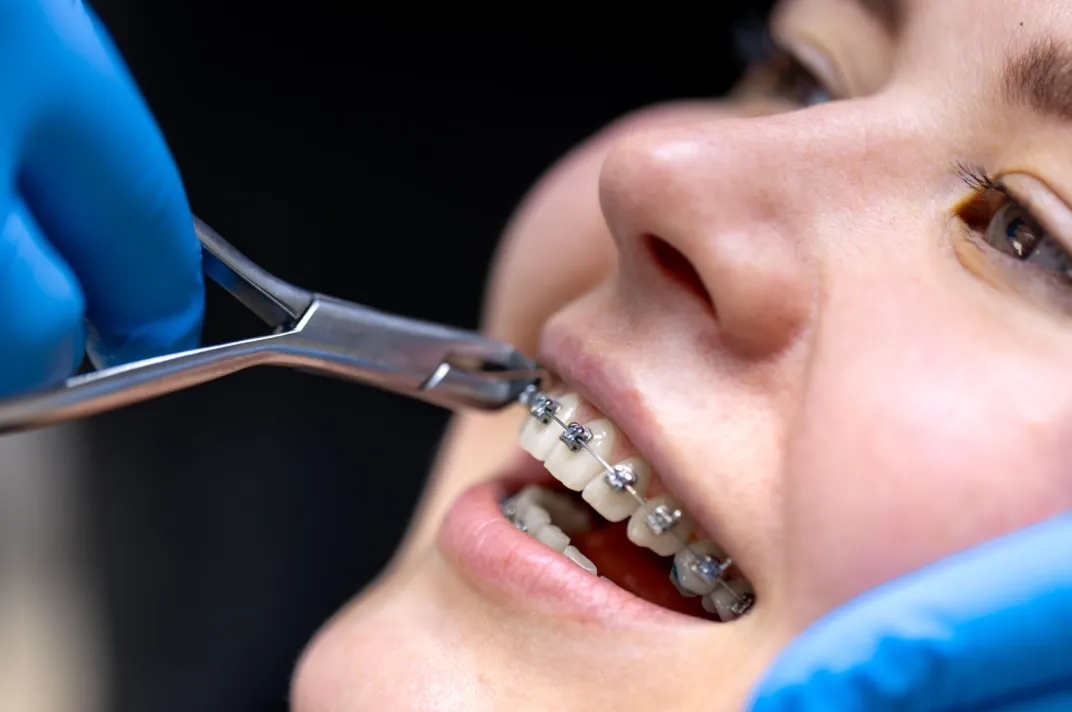
A straight smile is not always a healthy or strong smile. Orthodontics can move teeth into better positions. Cosmetic care can then shape, repair, and brighten those teeth. Together they give you complete care. This blog explains how braces or clear aligners work with cosmetic treatments to improve how your teeth look and work. It also shows why timing matters. First you align the teeth. Then you use cosmetic treatment to fine tune shape and color. You learn how this pairing can help with worn edges, chips, uneven gums, and stains. You also see what to expect at each step, from first consult to final polish. If you visit a Lodi dental office, you can ask for a plan that joins both treatments. That way you protect your time, your budget, and your comfort. You deserve care that treats your whole smile, not just one part.
Why straight teeth alone are not enough
Orthodontics lines up your teeth so your bite works better. Teeth can be crowded, twisted, or spaced. Braces or clear aligners move them into a more even row. That helps you chew and speak with less strain.
Yet even after treatment, you may notice:
- Uneven tooth length
- Chipped corners
- Stains that do not match from tooth to tooth
Research shows that better tooth position can also support cleaning and gum health. You can read more about healthy teeth and gums from the National Institute of Dental and Craniofacial Research. Orthodontics sets the base. Cosmetic care finishes the job.
What orthodontics does for your smile
Orthodontic care focuses on where your teeth sit and how your jaws meet. Common tools include:
- Traditional braces with brackets and wires
- Clear aligners that you remove to eat and clean
- Retainers to hold teeth in place after treatment
Orthodontics can help:
- Reduce crowding that traps food
- Close gaps that collect plaque
- Improve how your top and bottom teeth meet
The Centers for Disease Control and Prevention explains how misaligned teeth can affect decay and gum disease. Aligning teeth is one strong step toward long-term mouth health.
What cosmetic dentistry adds
Cosmetic care focuses on the look of each tooth and the smile as a whole. It not only serves looks. It can also protect and strengthen worn teeth.
Common cosmetic treatments include:
- Teeth whitening
- Bonding with tooth colored resin
- Porcelain veneers
- Tooth contouring to smooth edges
- Gum reshaping for a more even gum line
Each one has a clear goal. Whitening lifts stains. Bonding and veneers cover chips or gaps. Contouring and gum work bring balance.
Why the order of care matters
Orthodontic care should come first in most cases. You move the teeth into their new place before you shape or color them. That protects earlier cosmetic work from damage.
A common three-step path looks like this:
- Orthodontics to move teeth
- Whitening when teeth are in the final position
- Bonding or veneers to correct shape or close small spaces
This order helps in three ways. It reduces the number of cosmetic repairs later. It keeps the color even across all teeth. It also lets your dentist use smaller, more conservative cosmetic fixes.
How orthodontics and cosmetic care work together
Here is a simple comparison of what each type of care does for you.
| Goal | Orthodontics | Cosmetic dentistry |
|---|---|---|
| Tooth position | Moves teeth into better alignment | Does not move teeth |
| Tooth color | No change in shade | Whitening and stain coverage |
| Tooth shape | May change look a little as teeth rotate | Reshapes and rebuilds worn or chipped teeth |
| Bite function | Improves how teeth meet | Can fine-tune contact on single teeth |
| Gum line | May change where teeth sit near gums | Can reshape or even gum edges |
| Time | Months to years | Often one to three visits |
When you use both, you get a bite that works better and a smile that looks more uniform.
Common smile concerns that need both
Many people reach the end of braces and still see small problems. You might see:
- Short or worn front teeth from years of grinding
- White or dark spots on the front surfaces
- Edges that look rough in photos
Orthodontics does not fix these. Cosmetic care can.
For example, bonding can lengthen worn edges after aligners. Veneers can mask deep stains that whitening cannot touch. Gum reshaping can show more of the tooth after braces uncover it from crowding.
Planning your care as a family
Parents often ask how to plan treatment for teens while also thinking about their own smiles. A three-step plan can help:
- Start with a full exam for each family member
- Set the order of orthodontic and cosmetic needs
- Create a shared timeline that fits school, work, and budgets
Some families choose to start teen orthodontics first. Other times, clear aligners for a parent during the same period. Then they plan whitening and minor bonding after everyone finishes tooth movement.
Questions to ask at your Lodi dental office
You can take an active part in planning. During your visit, you can ask:
- Will my teeth need cosmetic work after braces or aligners?
- Can whitening or bonding wait until tooth movement is complete
- How can we limit the number of visits while still getting strong results
- Are there simple options for small chips or stains
These questions help your dentist and orthodontist shape one clear plan. You avoid scattered care that costs more and gives weaker results.
Putting it all together
Orthodontics builds the structure. Cosmetic dentistry refines the look. Both protect your long-term comfort and confidence.
With the right order and a clear plan, you can gain a smile that feels strong when you chew and looks steady in every photo. A team that offers both orthodontic and cosmetic care can guide you from first consult to final touch, so each step supports the next.