

Choosing the right fencing for your property is more than a matter of aesthetics—it’s a long-term investment in safety, privacy, and property value. However, not all fencing materials are created equal, especially when it comes to enduring the harsh realities of weather, pests, and daily wear. Understanding which fencing materials can withstand the test of time is crucial for homeowners and property managers alike. This guide explores the most durable options and their unique benefits.
Understanding the Importance of Durable Fencing Materials
Fences serve multiple purposes: they define boundaries, enhance security, protect landscaping, and add to the overall curb appeal of a property. However, exposure to the elements—sun, rain, snow, wind, and fluctuating temperatures—can significantly reduce the lifespan of a fence if it’s made from inferior or unsuitable materials. Investing in durable fencing materials ensures that your fence maintains its appearance and functionality for years to come, while also minimizing maintenance costs.
Top Durable Fencing Materials
1. Vinyl Fencing
Vinyl, also known as PVC, has gained popularity for its resilience and low-maintenance properties. Unlike wood, vinyl does not rot, warp, or attract insects. It is resistant to moisture and sunlight, making it an ideal choice for regions with high rainfall or intense sun exposure. Vinyl fences are also easy to clean and come in a variety of styles and colors, ensuring both practicality and aesthetic appeal.
Pros:
- Long-lasting with minimal upkeep
- Resistant to rot, rust, and pests
- Available in numerous designs and colors
Cons:
- Can be more expensive upfront than wood
- Susceptible to cracking in extreme cold if not properly installed
2. Aluminum Fencing
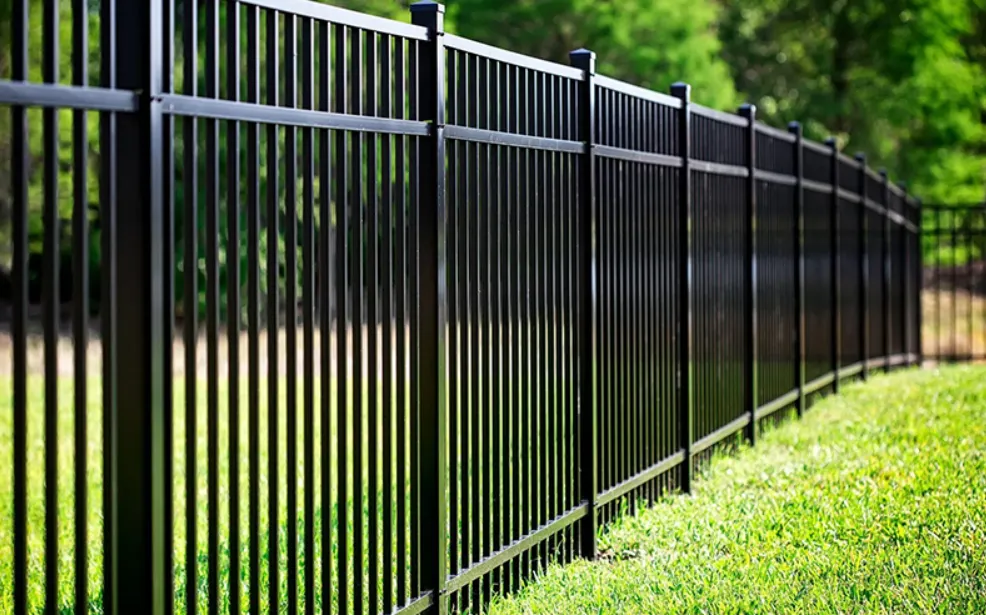
Aluminum fences offer the classic look of wrought iron but with less maintenance. They are resistant to rust, corrosion, and harsh weather, making them perfect for coastal areas where saltwater and humidity can deteriorate other metals. Aluminum fencing materials provide strength without adding excessive weight, and they can be powder-coated for added protection and style versatility.
Pros:
- Rust-resistant and low-maintenance
- Lightweight yet strong
- Variety of styles including decorative options
Cons:
- Not as strong as steel or wrought iron for high-security needs
- Can be dented by heavy impacts
3. Steel and Wrought Iron Fencing
For homeowners prioritizing security, steel and wrought iron fences are unmatched in strength and durability. While wrought iron requires some maintenance to prevent rust, modern coatings and galvanization significantly extend its lifespan. These fencing materials can withstand heavy storms, high winds, and impacts, making them a reliable choice for both residential and commercial properties.
Pros:
- Extremely strong and secure
- Long lifespan when properly maintained
- Classic, elegant appearance
Cons:
- Requires periodic painting or coating to prevent rust
- Can be costly compared to other materials
4. Cedar and Redwood Wood Fencing
Wood remains a timeless choice for fencing, appreciated for its natural beauty and versatility. Among wood options, cedar and redwood are particularly durable. Both are naturally resistant to decay, insects, and moisture, making them excellent choices for outdoor structures. To maximize their longevity, wood fences should be treated with sealants or stains and regularly inspected for damage.
Pros:
- Natural aesthetic and rich color
- Resistant to insects and decay
- Can be customized with various stains and designs
Cons:
- Requires regular maintenance
- Susceptible to weathering over time
5. Composite Fencing
Composite fencing combines wood fibers with recycled plastics to create a material that mimics the look of wood while being much more durable. These fencing materials are resistant to rot, pests, and warping, making them ideal for areas with extreme weather conditions. They also require minimal maintenance, usually just a periodic wash to remove dirt and debris.
Pros:
- Low maintenance and weather-resistant
- Eco-friendly option
- Mimics the appearance of real wood
Cons:
- Higher upfront cost than traditional wood
- Limited color options compared to paintable wood
Factors to Consider When Choosing Fencing Materials
When selecting the right fencing materials, consider the following factors:
- Climate – Choose materials that can withstand local weather conditions, whether it’s heavy snow, intense sun, or coastal humidity.
- Purpose – Determine whether your fence is for privacy, security, decoration, or a combination of these.
- Maintenance – Some materials, like vinyl and aluminum, require minimal upkeep, while wood and wrought iron need more care.
- Budget – Factor in both upfront costs and long-term maintenance expenses to ensure a cost-effective choice.
- Aesthetics – Your fence should complement the style of your property while meeting functional requirements.
Tips for Maximizing Fence Longevity
Even the most durable fencing materials benefit from proper installation and maintenance. Here are some tips to ensure your fence stands the test of time:
- Install Properly: Correct installation is critical for longevity. Ensure posts are anchored deeply and fences are aligned correctly.
- Regular Cleaning: Dirt, debris, and mold can degrade materials over time. Clean fences periodically to maintain appearance and durability.
- Protective Coatings: For wood and metal fences, use sealants, stains, or paint to prevent weather damage and rust.
- Inspect Frequently: Look for signs of wear, rot, or corrosion and address issues early to prevent costly repairs.
Conclusion
Investing in durable fencing materials is an investment in the safety, aesthetics, and value of your property. Options like vinyl, aluminum, steel, wood, and composite offer different benefits, but all can provide long-lasting protection if chosen wisely and maintained properly. By considering your local climate, intended use, maintenance capacity, and budget, you can select a fence that not only withstands harsh weather and the passage of time but also enhances the overall appeal of your property.
With the right choice, your fence can become a lasting feature that combines beauty, function, and resilience—protecting your home and enhancing your outdoor space for decades.