

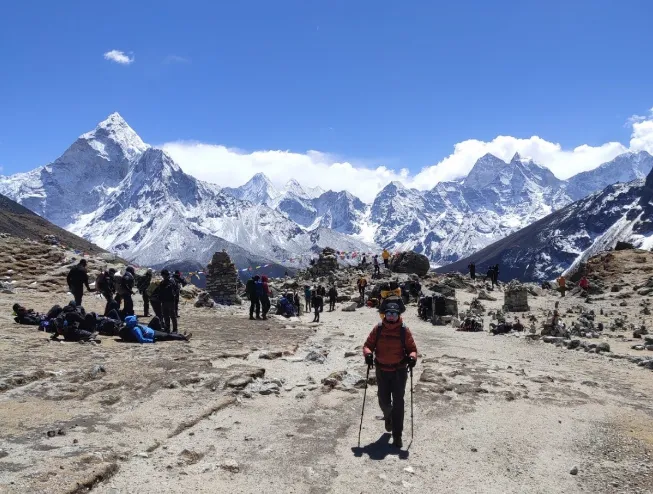
Trekking in Nepal is an unforgettable adventure, offering breathtaking views, rich cultural experiences, and a chance to challenge yourself in one of the most stunning landscapes on earth.
However, while Nepal’s trekking routes are mesmerizing, they also come with their own set of challenges. Even seasoned trekkers can fall into common traps that might turn their journey into a more difficult experience than necessary.
By being aware of these mistakes and preparing for them, you can ensure that your trek through the Himalayas is safe, enjoyable, and memorable.
In this blog, we’ll highlight some of the most common trekking mistakes to avoid in Nepal, from trekking solo in restricted areas to not listening to your body during high-altitude treks.
1. Trekking Solo in Restricted Areas
One of the most critical mistakes that trekkers can make is venturing into restricted areas without the necessary permits and without the support of a guide. In places like the Manaslu Circuit Trek, it is illegal to trek solo without a guide.
Nepal has strict regulations that require trekkers to be accompanied by a licensed guide in certain areas for safety and environmental reasons. The Manaslu Circuit, Upper Dolpo, and Nar Phu Valley are prime examples of restricted areas where solo trekking is not permitted.
While trekking solo might seem like an appealing idea for those seeking solitude, these remote regions can be dangerous for inexperienced trekkers, especially with the risk of altitude sickness, adverse weather, and difficult terrain. Additionally, you would miss out on the invaluable local knowledge and cultural insights that a licensed guide can provide. For a smoother and safer experience, always follow the rules and hire a local guide when trekking in restricted areas.
2. Not Drinking Enough Water
Staying hydrated is one of the most important aspects of trekking, especially in Nepal’s high-altitude regions. One of the common mistakes trekkers make is not drinking enough water throughout the day, which can lead to dehydration, fatigue, and even altitude sickness. The dry mountain air and the physical exertion of trekking can quickly dehydrate you, even if you don’t feel thirsty.
During your trek, it’s essential to drink water regularly, even if you don’t feel the urge to.
On high-altitude treks like the Everest Base Camp Trek, the risk of dehydration increases due to the lower humidity levels. Carry a water bottle and refill it from safe sources whenever possible.
Some trekkers opt for water purification tablets or filters to ensure the water is clean and safe. Staying hydrated will keep your energy levels up and help your body acclimatize better to the altitude.
3. Packing Pitfalls
Packing efficiently is essential to a successful trekking experience in Nepal. A common mistake is overpacking or packing the wrong gear. While it’s tempting to bring everything you might need, carrying a heavy backpack can slow you down and increase the risk of injury. On the other hand, underpacking can leave you ill-prepared for the unpredictable mountain weather.
For example, for treks that involve crossing high-altitude passes, like the Manaslu Circuit, you may need specialized equipment like crampons for icy terrain, which many trekkers forget to pack.
Similarly, if you’re planning a trek like the Everest Base Camp Trek, you should bring a sleeping bag rated for high-altitude nights, where temperatures can drop significantly.
Additionally, remember to pack layers of clothing to manage the variable temperatures, first aid supplies, and sun protection like sunscreen and lip balm. Be strategic about what you carry—prioritize lightweight, durable gear that will keep you safe and comfortable.
4. Not Listening to Your Trekking Guide
In Nepal, trekking guides are more than just navigators—they are experienced locals who know the terrain, weather patterns, and the best ways to stay safe during a trek.
One common mistake trekkers make is not fully trusting or listening to their guides. Whether it’s regarding pacing, route selection, or acclimatization, your guide’s advice is invaluable, especially in challenging conditions.
Guides have dealt with many trekkers in different circumstances and understand how to assess when someone is pushing too hard or not acclimatizing well. They also know the right time for rest and the best route to take based on current weather or trail conditions. Ignoring their advice can result in unnecessary risks like altitude sickness, exhaustion, or getting lost in unfamiliar terrain.
5. Not Eating Enough
In the excitement of trekking, some people make the mistake of not eating enough during the day. Trekking at high altitudes requires a lot of energy, and skipping meals or not eating sufficient calories can lead to fatigue, irritability, and impaired decision-making.
Eating regular meals and snacks is important to maintain your energy levels, especially on long trekking days. Local teahouses along the routes like the Ghorepani Poon Hill Trek offer nutritious meals, including dal bhat (lentil soup with rice), which is a high-energy staple.
Be sure to also pack snacks like nuts, energy bars, or chocolate for quick energy boosts throughout the day. A well-nourished body is better equipped to handle the physical strain and altitude.
6. Not Listening to Your Body’s Symptoms
Altitude sickness is a real threat when trekking in Nepal, especially on high-altitude treks like the Everest Base Camp Trek or Manaslu Circuit. One of the most dangerous mistakes trekkers make is not recognizing or ignoring the symptoms of altitude sickness, such as headaches, dizziness, nausea, or shortness of breath.
It’s essential to listen to your body and take immediate action if you start feeling unwell. This may involve resting, descending to a lower altitude, or seeking medical help.
The higher you trek, the less oxygen there is, so your body needs time to acclimatize. If you push yourself too hard, you can develop severe altitude sickness, which can be life-threatening if not treated in time. Always err on the side of caution—if you feel unwell, consult your guide and consider descending or taking a rest day.
7. Underestimating the Weather
The weather in the mountains can change quickly and drastically. One common mistake trekkers make is underestimating how cold it can get at higher elevations, even during the spring and autumn seasons. While temperatures may be mild during the day, they can plummet at night, especially in places like Gorak Shep or Manang.
Be prepared for all weather conditions by packing appropriately. This includes carrying thermal layers, waterproof jackets, gloves, and a hat to protect you from cold winds. Check the weather forecast regularly, but remember that the weather can still be unpredictable. Always be prepared for colder temperatures than you expect.
8. Overexertion and Lack of Rest
Many trekkers make the mistake of pushing themselves too hard, thinking that the faster they trek, the quicker they will reach their destination. However, trekking in the mountains requires patience. Overexertion can lead to exhaustion, altitude sickness, and unnecessary injuries. Rest is equally important as the trek itself.
It’s crucial to take regular breaks, acclimatize properly, and follow your guide’s advice on pacing. On high-altitude treks like Everest Base Camp or Manaslu Circuit, make sure to take rest days to allow your body to adjust to the altitude.
Conclusion
While trekking in Nepal is an awe-inspiring experience, avoiding common trekking mistakes is essential for ensuring your safety and enjoyment. Whether it’s packing the right gear, staying hydrated, or listening to your body and guide, proper preparation can make all the difference.
Trekking in Nepal is not just about reaching the summit—it’s about experiencing the journey and respecting the mountains and culture along the way. By following these tips and avoiding common pitfalls, you’ll be well on your way to having a successful and memorable trekking adventure in Nepal.