

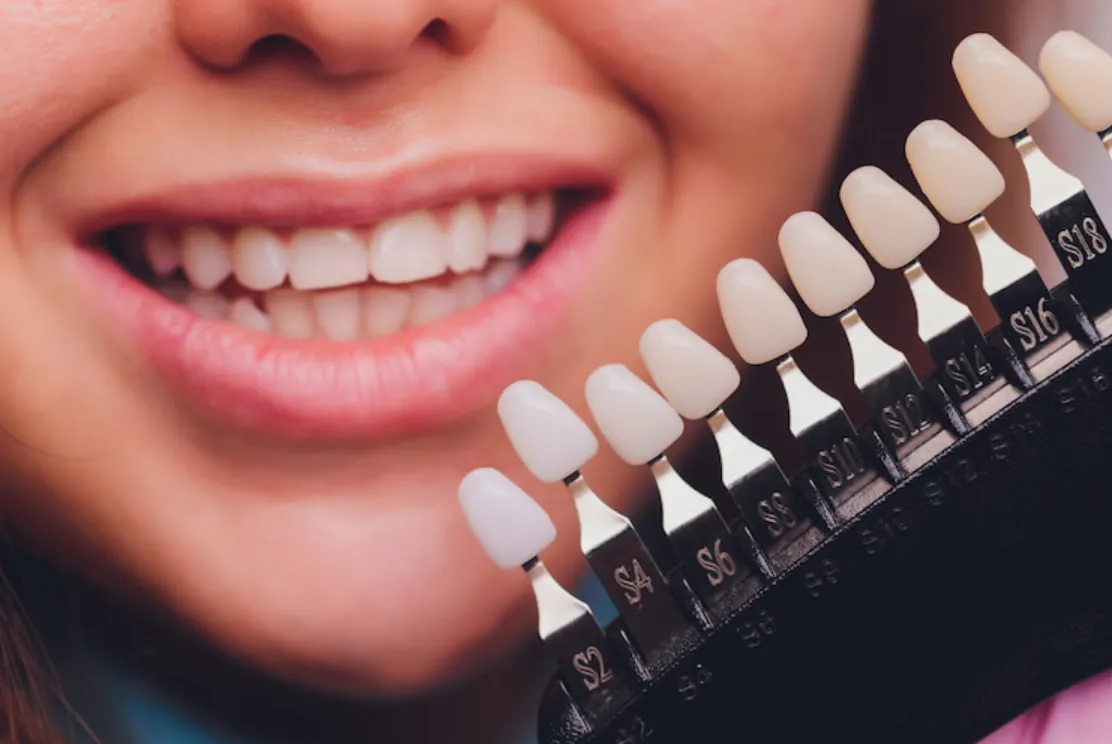
You might be looking in the mirror and noticing little things about your smile that never used to bother you. A darkened tooth in old photos. A chip that catches the light in every selfie. Teeth that used to look straight, but now seem a bit crowded. You may not be in pain, yet you still feel self-conscious, and that feeling can be surprisingly heavy. A visit to a trusted family dentist in Ann Arbor, MI could be the first step toward feeling better about your smile.
At the same time, you may be worried about cost, about safety, and about whether you are “too old” or your child is “too young” for cosmetic treatment. You want a smile that feels natural and healthy, not fake or overdone. Because of this tension, you might wonder where to even start.
The good news is that modern cosmetic care through a general and cosmetic dentist is much more flexible than many people realize. There are gentle options for children, teens, adults, and seniors, and many of them also improve function and overall oral health. In simple terms, there are at least six common cosmetic dental options that can help at almost any age. Some are quick fixes. Others are more of an investment. All of them should be tailored to you, your mouth, and your life.
Why does your smile feel so emotional, and what gets in the way of fixing it?
Cosmetic concerns usually start small. Maybe your child’s front tooth grew in crooked. Maybe you had braces as a teen, then your teeth slowly shifted in your thirties. Maybe a lifetime of coffee or tea has left your smile more yellow than you remember. On the surface these sound minor, yet they can affect how you speak up in meetings, how you smile in family photos, or how comfortable your teenager feels at school.
Then the questions start piling up. Is whitening safe for my teen’s teeth. Are veneers only for celebrities. Will braces at my age take forever. Will people notice. You may read conflicting information online, and instead of feeling informed, you feel stuck.
There is also a very real financial worry. You might wonder which treatments truly last, which are mostly cosmetic “extras,” and what the long term maintenance looks like. No one wants to spend money on a quick fix that fails a year later.
So where does that leave you. It helps to break cosmetic options into clear, concrete choices you can compare. From there, you and your dentist can decide what fits your age, your health, and your goals.
What are 6 cosmetic dental options that work for all ages?
Here are six common treatments that a general and cosmetic dentist may recommend, along with how they tend to work for different age groups.
1. Professional teeth whitening
Whitening is often the first thing people think of, because a brighter smile can make a big difference with relatively little change to the teeth themselves. In-office whitening uses professional strength gel and careful protection of your gums. At-home kits from your dentist use custom trays and lower strength gel over a longer period.
Whitening can be suitable for older teens and adults. It is usually not recommended for young children, since their teeth and nerves are still developing. Sensitivity is possible, but a dentist can adjust the method to reduce that risk. If you want more background on tooth discoloration and treatment, you can review the medical overview of tooth disorders and color changes from MedlinePlus.
2. Tooth-colored fillings and bonding
Composite resin can repair small chips, reshape a tooth, or cover stains that whitening will not remove. This is called bonding. The material is blended to match your tooth, placed in thin layers, then shaped and polished.
Bonding is often quick and usually does not require numbing if the change is minor. It is helpful for children who chip a front tooth on the playground, for teens who have small gaps, and for adults who want to mask worn edges. It is more affordable than veneers, though it may need touch ups over time.
3. Orthodontics, including clear aligners
Straighter teeth are not just cosmetic. They are often easier to clean and less prone to uneven wear. Traditional braces and modern clear aligners can both improve alignment. Children and teens still growing often respond quickly to braces. Adults can also benefit, though treatment may take a bit longer.
Clear aligners appeal to many adults and older teens because they are removable and less noticeable. They require discipline, since they must be worn as directed to work well. A dentist or orthodontist can help you decide which option best suits your bite and your lifestyle.
4. Porcelain veneers
Cosmetic dental treatments for all ages often include veneers. These are thin shells of porcelain that cover the front of the tooth. They can change shape, size, and color all at once. Veneers are usually recommended for adults, since they involve removing a small amount of enamel. They can be very natural looking when done conservatively and maintained with good home care.
Veneers are a bigger investment, so they are often used when multiple concerns come together such as discoloration, minor crowding, and uneven edges. They are not ideal for children, and usually only considered for mature teens in special situations.
5. Dental crowns with cosmetic benefits
Crowns are sometimes thought of as “only for older people,” but they can have both restorative and cosmetic benefits at many ages. A crown covers the entire tooth above the gum. It is used when a tooth is badly broken, has a very large filling, or has had root canal treatment.
Modern crowns are often made of ceramic that closely matches your natural teeth. For an adult with a dark or damaged tooth in the front, a crown can restore strength and appearance at the same time. For children, stainless steel or other pediatric crowns may be used on baby teeth to protect them until they fall out naturally, which helps maintain space and function.
6. Dental implants and bridges that also improve appearance
Missing teeth affect how you chew and speak, yet they also affect how you feel about your smile. Implants, bridges, and partial dentures all fill spaces left by lost teeth. These solutions are usually for adults, since jaw growth must be complete before placing an implant.
Replacing missing teeth supports your facial structure and helps keep other teeth from shifting. From a cosmetic standpoint, it can restore symmetry and confidence. From a functional standpoint, it can protect your bite and jaw joints.
How do these cosmetic options compare in real life?
With so many choices, it helps to see some side by side details. You might be asking which treatments last longer, which are reversible, and which are more budget friendly.
| Treatment | Common Age Range | Typical Longevity | Reversible | Primary Focus |
|---|---|---|---|---|
| Professional Whitening | Older teens and adults | Months to a few years, with touch ups | Yes | Color |
| Bonding | Children, teens, adults | 3 to 10 years, depending on care | Usually yes, with minor polishing | Shape, chips, small gaps |
| Braces / Aligners | Children, teens, adults | Long term, with retainers | No, though teeth can shift back without retention | Alignment and bite |
| Porcelain Veneers | Adults, some older teens | 10 to 15 years or more | No, enamel is altered | Color, shape, uniformity |
| Crowns | Children with damaged baby teeth, adults | 10 to 15 years or more | No, tooth is reshaped | Strength and appearance |
| Implants / Bridges | Adults | Many years with proper care | No, considered permanent | Replace missing teeth |
If you enjoy reading more technical information before making choices, the American Dental Association offers patient friendly resources drawn from clinical research. You can explore these through their library of dental care articles for patients.
What can you do right now to move toward the smile you want?
You might still be wondering how to move from ideas to action. A few small steps can make the process feel less overwhelming.
1. Clarify what truly bothers you
Before you see a dentist, write down the top three things that bother you about your smile. Maybe it is color, crowding, a chip, or a missing tooth. Rank them. This gives your dentist a clear starting point and helps you focus on what matters most to you rather than getting lost in every possible treatment.
2. Schedule a cosmetic focused exam and conversation
Ask for a visit that includes photos and time to talk about options, not just a quick checkup. A trusted cosmetic dentistry provider should ask about your health, your budget, and your timeline. They may suggest a phased plan, such as whitening first, then bonding or orthodontics, so you can spread out cost and adapt as you go.
3. Protect the foundation with everyday habits
Cosmetic work looks best on healthy teeth and gums. Brush twice daily with fluoride toothpaste. Floss every day. Limit frequent sipping of sugary or acidic drinks. See your dentist regularly for cleanings. These simple habits support any cosmetic treatment you choose and help it last longer, whether that is whitening, veneers, or orthodontics.
Moving forward with confidence about cosmetic care at any age
You do not need a “perfect” smile to deserve to feel comfortable and confident. Whether you are thinking about options for yourself, your teenager, or an older parent, there are age appropriate solutions that can respect both appearance and health.
From gentle whitening and bonding to orthodontics, veneers, crowns, and tooth replacement, 6 cosmetic dental options suitable for patients of all ages can be tailored to your specific story. The next step is simple. Talk with a caring general and cosmetic dentist, share what you hope to change, and ask for a plan that fits your life, not someone else’s idea of perfection.