

Gum disease can steal your comfort, your confidence, and sometimes your teeth. You might notice blood on your toothbrush, swelling, or a bad taste that will not go away. You might also feel nothing at all. That silence can cause the most damage. Periodontal treatment stops infection, protects bone, and helps you keep your teeth. It is not one single procedure. Instead, it includes several targeted options that match how advanced your gum disease is. A dentist in Thousand Oaks may suggest a deep cleaning, medication, surgery, or ongoing maintenance. Each treatment has a clear purpose. Each one aims to control bacteria, reduce pockets, and support healing. When you understand your options, you can face gum disease with less fear and more control. This guide explains four common periodontal treatments so you know what to expect and how each one helps your mouth stay strong.
1. Scaling and Root Planing
Scaling and root planing is often the first strong step against gum disease. You might hear it called a deep cleaning. It reaches under the gumline where a regular cleaning does not go.
During scaling, the dental team removes plaque and tartar from your teeth and roots. Then root planing smooths the root surface. This helps your gums reattach and makes it harder for bacteria to cling.
Here is what usually happens.
- The team numbs your gums.
- They use hand tools or ultrasonic tools to clean below the gumline.
- They may treat one part of the mouth at a time.
- They give home care steps and a follow-up plan.
According to the National Institute of Dental and Craniofacial Research, deep cleaning can stop early and moderate gum disease and reduce the need for surgery.
2. Local and At-Home Medications
Medication supports cleaning. It does not replace it. It targets bacteria and swelling and can help your gums heal faster.
Common options include:
- Antibiotic gels or chips placed in deep pockets after scaling and root planing
- Antimicrobial mouth rinses to use at home
- Pills for short time use when infection is strong
The American Dental Association explains that these treatments can help lower bacteria and pocket depth when used with deep cleaning. Medication works best when you brush, floss, and keep regular visits.
3. Surgical Periodontal Treatments
If gum disease is advanced, deep pockets and bone loss may remain after non-surgical care. At that point, your dentist may refer you to a periodontist for surgery. The goal is to clean deep, reshape tissue, and protect bone.
Common surgical options include:
- Flap surgery. The gum is lifted so the roots and bone can be cleaned. Then the gum is placed back.
- Bone grafts. Bone from you, a donor, or a synthetic source is placed where bone is lost.
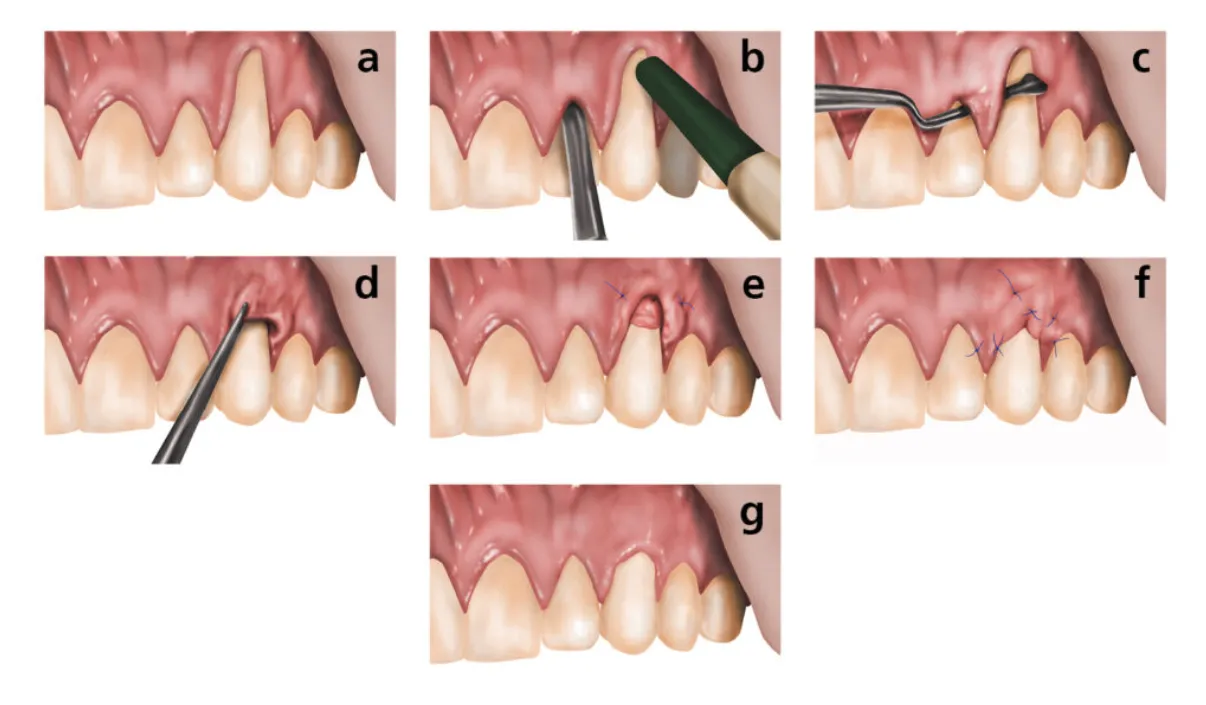
- Tissue grafts. Gum tissue is added to cover roots or build thin gums.
- Guided tissue regeneration. A thin barrier is placed to help bone grow where the disease destroyed it.
The Centers for Disease Control and Prevention notes that severe gum disease is a leading cause of tooth loss in adults. Surgical treatment can help you avoid extractions and keep your chewing strength.
4. Periodontal Maintenance
Once your gums are treated, you enter a recovery phase. Gum disease can return if you stop care. Periodontal maintenance is a scheduled cleaning and check program that protects the progress you have made.
During these visits, the team will:
- Measure pocket depths and compare them to past records
- Clean above and below the gumline
- Check loose teeth and bite changes
- Review home brushing and flossing
Most people with past gum disease need maintenance every three to four months. This schedule keeps bacteria from building and lets your dentist react fast if trouble returns.
Comparison of Periodontal Treatment Types
| Treatment type | Main goal | When it is used | Typical visit frequency |
|---|---|---|---|
| Scaling and root planing | Clean below the gumline and reduce pockets | Mild to moderate gum disease | One to four visits in a short time |
| Local or at home medications | Lower bacteria and support healing | With deep cleaning or surgery | Short time use as directed |
| Surgical treatments | Reach deep pockets and rebuild tissue and bone | Advanced gum disease with bone loss | Planned single or staged surgeries |
| Periodontal maintenance | Prevent new infection and protect results | After initial treatment for life | Every 3 to 4 months in most cases |
How You Can Support Your Treatment
Periodontal care works best when you take daily steps at home. These simple habits help you hold on to your teeth and your comfort.
- Brush twice each day with fluoride toothpaste.
- Clean between teeth every day with floss or another tool.
- Do not smoke or vape. Tobacco use raises the risk of gum disease.
- Keep regular dental visits, even if your gums feel fine.
- Watch for bleeding, swelling, or loose teeth and report changes fast.
Gum disease can feel heavy. You may feel shame or worry. You do not need to face it alone. With the right treatment plan and steady home care, you can control infection, protect bone, and keep your smile working for daily life.