

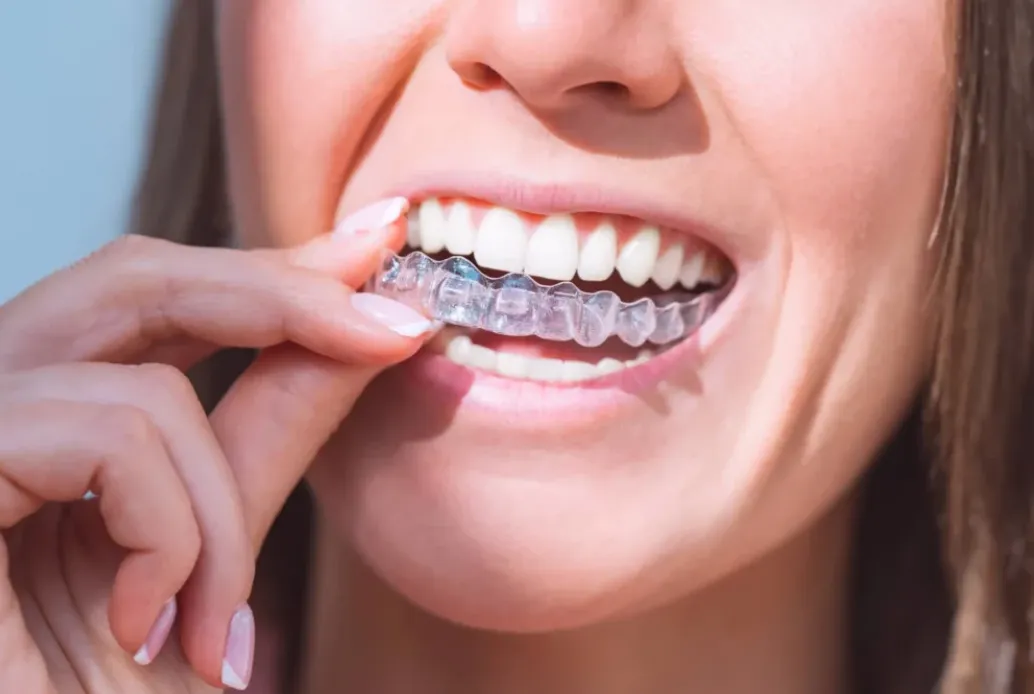
You might be feeling a mix of hope and frustration right now. You finally started clear aligner treatment, you were excited about a straighter smile, but no one really warned you how much self control it would take. If you’re using clear aligners in Dearborn Heights, you might take them out to eat, then life gets busy, and suddenly you realize they have been sitting in the case for hours. Then you worry. Did you just ruin your progress. Is this whole thing even working.end
That tug of war between good intentions and daily habits is very common. Clear aligners promise a quieter, more flexible alternative to braces, yet they only work when they are actually in your mouth. The short version is this. Consistency is not a “nice to have” with aligners. It is the engine that moves your teeth. Wear them enough hours, clean them well, follow your general dentist’s guidance, and you stack the odds in your favor. Drift from the plan too often, and treatment slows, becomes less predictable, and can cost you more time and money.
So where does that leave you. It means you are not failing. You are just at the point where you need a better understanding of why consistent wear matters and some realistic strategies to make it easier.
Why clear aligners only work when you wear them consistently
Clear aligners are designed to apply gentle, steady pressure to your teeth. Teeth respond to constant, low force over time. If the force stops and starts, your teeth “bounce back” toward where they were. That is why most general dentists and orthodontic providers recommend 20 to 22 hours of wear every single day.
Think of it like training a vine to grow along a fence. If you guide it a little every day, it follows the fence line. If you only touch it once in a while, it grows in all directions and is harder to redirect. Your teeth behave in a similar way. They need regular, predictable pressure, not occasional bursts.
Medical and dental sources that explain orthodontic treatment, like this overview of orthodontia and teeth straightening, consistently point to time and cooperation as key to success. Clear aligners are simply another way of delivering orthodontic forces, and they follow the same basic rules.
What really happens if you are not consistent with your aligners
You might be wondering how much it actually matters if you skip a few hours here and there. The answer depends on how often “here and there” happens. Missing occasionally is human. Regularly under wearing your trays turns into a pattern that can cause some real problems.
Here is the core problem. Your treatment plan is built on the idea that you are wearing each set of aligners the recommended hours per day. If you are not, your teeth move more slowly than the plan expects. Then when you switch to the next tray, that tray expects your teeth to be in a new position. If they are not, the tray may feel extra tight, may not seat fully, or may cause uneven pressure. Over time, this can lead to:
• Longer overall treatment time, sometimes by months.
• Teeth that do not match the digital plan, so the bite feels “off.”
• Extra visits to your general dentist to “reboot” the plan or order new trays.
• Soreness in unexpected places because the pressure is not where it was intended to be.
On top of that, inconsistent wear can affect your confidence. You start to feel guilty, then you avoid appointments, then the problem grows. That emotional weight is real. You started clear aligner treatment to feel better about your smile, not worse about your discipline.
So what is the way forward. It helps to understand that your dentist is not judging you. A caring general dentist has seen this pattern many times. The goal is not to scold you, but to adjust the plan, help you build better habits, and keep your progress moving.
Is consistency worth it compared to “just winging it” with aligners
You may be tempted to treat aligners as a casual, “when I remember” kind of thing. After all, they are removable and nearly invisible. Why not be flexible. The question is not whether you can get away with it for a few days. The real question is what kind of results you want and how much stress you are willing to carry along the way.
To make this clearer, it helps to look at how consistent wear compares with irregular wear.
| Aspect | Consistent Wear (20–22 hours/day) | Irregular Wear (often under 18 hours/day) |
|---|---|---|
| Treatment time | Close to original estimate from your dentist | Often extended by months, sometimes requires extra trays |
| Comfort | More predictable soreness that fades after a day or two with each new tray | Trays may feel very tight or not fit right, more random discomfort |
| Final result | Teeth more likely to match the planned alignment and bite | Higher risk of teeth stopping mid movement or bite issues |
| Cost over time | Usually limited to original fee and routine visits | Possible extra visits, refinements, or even partial retreatment |
| Stress level | More confidence that you are “on track” | Frequent worry about whether you have messed things up |
When you look at it that way, wearing your aligners consistently is less about perfection and more about protecting your investment. You are already putting time, money, and energy into improving your smile. Consistency is how you respect that effort.
If you ever feel unsure whether your aligners are doing what they should, or you are having trouble sticking to the routine, it is always better to talk openly with your general dentist. They can check your progress, adjust your schedule, or offer specific tips. Medical resources on oral health and dental care can also give you a broader picture of how orthodontic treatment fits into your overall health.
Three practical steps to stay consistent with your clear aligners
Knowing that consistency matters is one thing. Building it into your daily life is another. Here are three realistic steps you can start today to support consistent clear aligner wear without feeling overwhelmed.
1. Create a simple “aligner routine” around meals
Most people take aligners out for meals and snacks. That is when lost hours add up. Instead of trying to remember a general rule, tie your aligner routine to specific steps.
• Before eating, remove aligners, rinse them, and put them in their case, not a napkin.
• After eating, brush your teeth when you can. If you cannot, at least rinse your mouth thoroughly with water.
• Put your aligners back in immediately after cleaning. Do not “wait until later” while you scroll, work, or watch a show.
If you notice you snack often, consider grouping snacks with meals during active treatment. Fewer “in and out” moments means fewer chances to forget.
2. Use reminders and tracking instead of willpower
Relying on memory alone is hard, especially if you are juggling work, school, or family. Use tools so you are not depending on willpower.
• Set alarms on your phone for morning and evening to double check your aligners are in.
• Use a notes app or calendar to mark which day you switch to a new tray.
• Keep your case in the same place in your bag or at home, so you are not searching and leaving trays out.
Some people find it helpful to aim for a realistic minimum, like 20 hours per day, instead of chasing perfection. If you hit that consistently, you are still supporting effective clear aligner treatment.
3. Stay honest with your general dentist about your wear time
There can be a strong urge to say “yes, I wore them” even when you did not. The problem is that your dentist then makes decisions based on an inaccurate picture. That can lead to wrong conclusions about why your teeth are not moving as expected.
Being honest about your actual wear time, even if it feels embarrassing, is one of the most powerful things you can do. It allows your dentist to:
• Adjust how long you keep each tray.
• Decide whether to pause switching to new trays until your teeth catch up.
• Give you tailored ideas to fit your lifestyle, whether you travel, work shifts, or care for kids.
A supportive general dentist understands that life happens. Honesty turns them into a partner, not a judge.
Bringing it all together so your aligners truly work for you
You chose clear aligners for a reason. You wanted a quieter path to straightening your teeth, one that fits into your life. That choice still makes sense. You have not failed if you have struggled with consistency. You are simply at the point where small, steady changes in how you wear your trays will make a big difference in your results.
Consistency with aligners is not about being perfect every single day. It is about wearing them enough hours, enough days in a row, that your teeth can trust the direction they are being guided. When you pair that with honest communication with your general dentist and a few simple routines, you give yourself the best chance at the smile you pictured when you started.
So as you move forward, treat each day as a fresh chance, not a test you already failed. Put the trays back in after you eat. Use your reminders. Speak openly at your checkups. Your future smile is built one consistent hour at a time.