

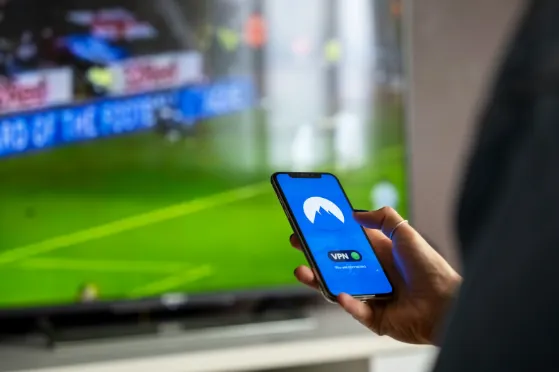
Sports have always been about passion, loyalty, and community. But the way people show that passion has changed dramatically in recent years. Today, you don’t have to be inside a stadium or at a track to feel part of the action. Fans can stream matches on their phones, check stats in real time, and share their excitement instantly on social media. Technology has transformed fandom into something faster, more connected, and more personal.
New Ways to Follow
The way fans connect with sport has changed dramatically. Football supporters now stream matches on their phones for convenience. Rugby followers track live stats on social media to feel part of the action. Racing enthusiasts increasingly turn to digital platforms. Even traditional pastimes like horse racing have adapted, with guides to the best horse racing betting sites showing how fans now watch live streams, check odds, and engage through mobile apps.
The appeal is clear. Instead of being tied to the trackside or betting shop, people can follow events from anywhere. They can interact instantly, get real-time updates, and stay connected to their sport on their own terms. This shift isn’t just about convenience. It shows how technology has broadened access and deepened engagement for fans who want more control over how they experience sport.
The Rise of Streaming and Social Media
Streaming platforms have become the backbone of modern fandom. Services like Sky Sports, Amazon Prime, and TNT Sports have invested heavily in live streaming to make sure fans never miss a moment. Ofcom’s 2025 Media Nations report showed that UK adults now spend more time watching streamed content than broadcast TV. This means fans expect instant access, whether it’s a Premier League match or highlights of a Six Nations clash.
At the same time, social media has changed how supporters react. A goal, a try, or even a controversial decision can trend worldwide within seconds. Memes, live chats, and short clips turn every match into a global conversation. Fans no longer just watch sport, they share it, remix it, and debate it in real time.
Personalisation and the Power of Data
Another major change is how technology tailors the fan experience. Clubs and platforms now use AI and data analytics to predict what supporters want to see. Match alerts, personalised highlight reels, and interactive stats are part of the new normal.
According to Capgemini’s 2025 Beyond the Game report, a majority of sports fans now favour AI tools for obtaining sports information (54 percent), and roughly 70 percent express demand for live data, stats, and personalised updates during matches. Data doesn’t just keep fans informed. It makes them feel part of the story, turning every push notification into another touchpoint with the sport they love.
Old-School Rituals Remain Strong
While digital platforms dominate, traditional ways of following sport have not disappeared. In fact, they remain central to the culture of fandom. Pubs across the UK still fill up on match days, creating the shared atmosphere that many supporters crave. Stadium attendance also continues to thrive: Premier League grounds recorded an average occupancy of over 97 percent in the 2023–24 season, according to league data. Being in a crowd, singing with fellow fans, and celebrating together are experiences that technology cannot fully replace.
These rituals show that while tech has added new layers to fandom, the core traditions are still alive. The mix of old and new makes today’s sports culture richer and more varied than ever before.
New Norms in Stadiums and Beyond
Live attendance is also evolving. Stadiums are experimenting with smart screens, AR replays, and even VR experiences. At Tottenham Hotspur Stadium, fans can already access in-seat mobile ordering and watch instant replays on big screens. The goal is to blend the thrill of being there in person with the interactivity fans now expect from digital platforms.
Meanwhile, many supporters create their own “stadium at home.” Multiple screens, social chats, and fantasy league dashboards mean a single match can feel like a fully interactive event. Sports fandom is no longer tied to one place. It has become a constant presence, whether you are on the sofa, on the move, or even at work, sneaking glances at your phone.
Why These Changes Matter
Technology hasn’t replaced the rituals of sport; it has reshaped them. Fans still sing songs, wear colours, and celebrate together. But now they can do it on their own schedule, in their own way, and often with a bigger community than ever before. The common theme is choice. Fans decide how much they want to watch, how deeply they want to engage, and how they want to connect.
The Future of Fandom
Technology has changed the way we follow, talk about, and even think about sport. Fans expect to connect instantly, stay updated constantly, and be part of the conversation globally. For sports organisations, the message is clear. Mobile-first streaming, personalisation, and digital community tools are no longer extras. They are essentials.
The story of fandom is still unfolding. As AI, AR, and other innovations develop, the relationship between fans and their favourite sports will only become more interactive. What will stay the same is the passion. Technology may reshape the rituals, but the heartbeat of fandom remains as strong as ever.