

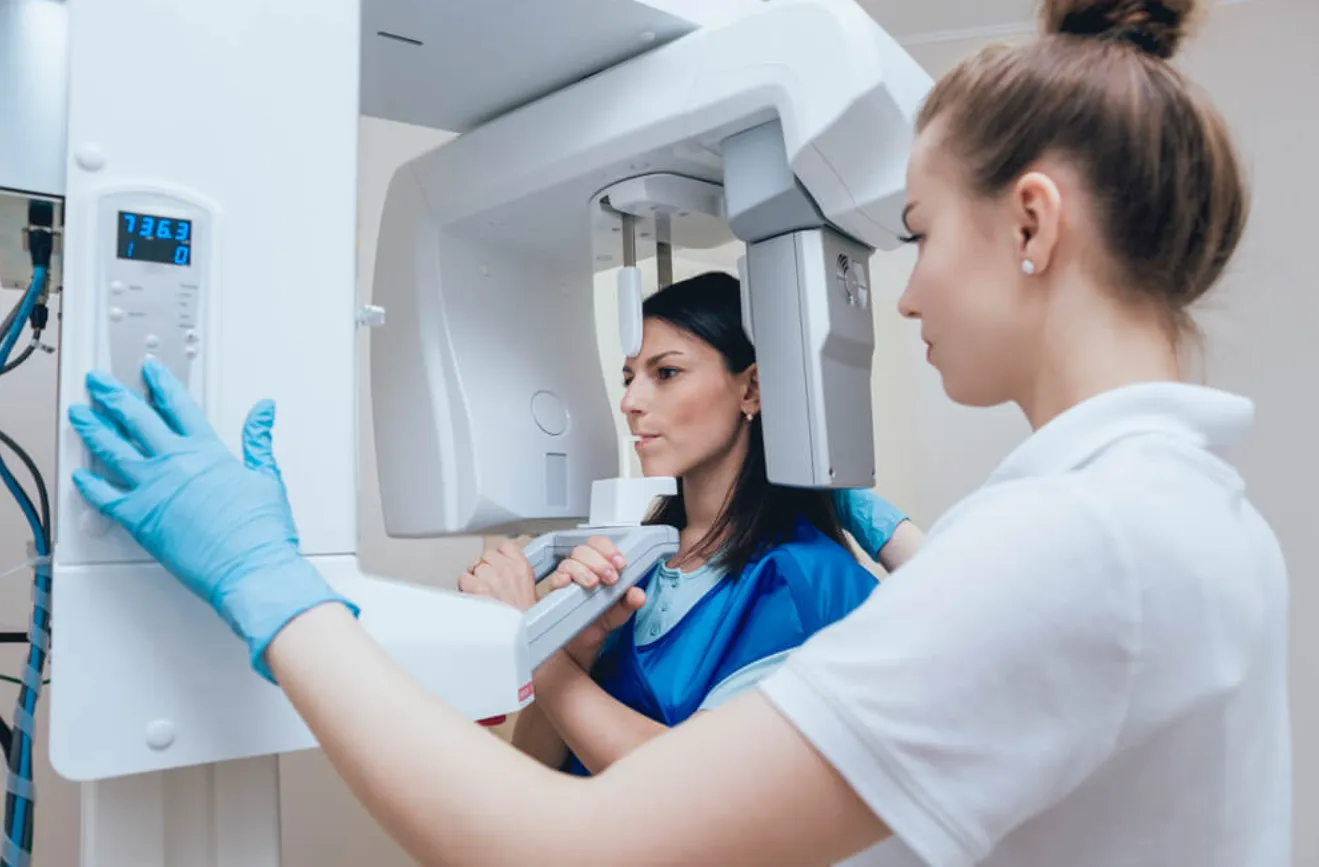
You might be feeling torn every time your Redmond dentist suggests X rays. You know they help catch problems early, yet the thought of radiation and extra costs makes you pause. Maybe you have been putting off your next checkup because you are not sure what is really necessary anymore.end
That tension is very common. You want to protect your teeth, but you also want to protect your health, your wallet, and your peace of mind. Because of this, choosing the right general dentist can feel heavier than it used to. Especially when words like “digital” and “traditional” start getting thrown around and you are left wondering what actually matters.
Here is the short version. Choosing a general dentist who uses digital X rays usually means lower radiation exposure, clearer images that lead to better decisions, and a smoother, faster visit. You still stay in control of what is done, but you are working with tools that respect both your time and your safety.
So where does that leave you when you are trying to pick a dentist or decide whether to stay with the one you have now?
Why do dental X rays feel so stressful in the first place?
The stress often starts with uncertainty. You might be asking yourself questions like these. How much radiation is too much. Are these X rays really needed, or is it just routine. What if I say no and they miss something serious.
There is good reason to ask. X rays do involve radiation, and you deserve to understand when and why they are recommended. The good news is that there are clear guidelines around smart use of dental radiographs. The U.S. Food and Drug Administration explains how dentists are encouraged to follow a “selection” approach, meaning they base X rays on your age, risk, and symptoms, not just habit. You can read more about those recommendations in the FDA’s guidance on selecting patients for dental X ray examinations.
Even with those safeguards, the experience can still feel uneasy. You sit in the chair, the sensor or film is placed in your mouth, the clinician steps out of the room, and for a moment you feel alone and exposed. If you have had old style film X rays, you might remember the uncomfortable bitewings, the long wait for images to develop, and sometimes needing to retake a picture because something did not come out clearly.
Now imagine a different scenario. The sensor is smaller and more comfortable. The image appears almost instantly on a screen in front of you. Your dentist zooms in to show you a small shadow between two teeth that you could never see on your own and explains why it matters. The conversation shifts from “just trust me” to “here is what we are both looking at.” That is what choosing a general dentist who uses digital X rays can feel like.
Reason 1: How do digital X rays change your exposure and safety?
One of the biggest worries people have is radiation. That concern is valid. You only get one body, and you want to be careful with it. The encouraging part is that digital X ray systems are designed to use much less radiation than traditional film.
In many cases, digital radiographs can reduce exposure by 50 percent or more compared with older film based methods. That does not mean “no” radiation, but it does mean a smaller dose for the same or better information. Combine that with lead aprons, thyroid collars, and thoughtful scheduling, and your overall risk stays very low.
Here is where the “problem” and “solution” meet. The problem is that undetected dental issues like cavities between teeth, bone loss, or infections can quietly grow for months or years. By the time you feel pain, treatment is often more invasive and more expensive. The solution is early detection, but early detection requires a way to see what your eyes cannot. Digital X rays offer that window with less exposure and more control.
When you choose a dentist who invests in modern digital equipment, you are choosing someone who is paying attention to both sides of the equation. They want clear images, but they are also listening to your concerns about safety and trying to do better than “good enough.”
Reason 2: Why do clearer images matter for your wallet and your peace of mind?
Think about how much easier it is to make a decision when you can actually see what is going on. With digital X rays, your dentist can zoom, adjust contrast, and highlight details. That clarity is not just nice technology. It directly affects your treatment options.
Here is a simple “what if.” What if a tiny cavity is forming between your back teeth. On a blurry film X ray, it might be easy to miss. A year later, you have pain, and now you need a root canal and crown. On a sharp digital image, that same early cavity can be spotted, and you can often choose a small filling or even preventive steps like fluoride and closer monitoring. The difference in cost and discomfort is enormous.
There is also the emotional side. When you see a clear image on the screen, you are not being asked to just “take someone’s word for it.” You can ask questions. You can compare images over time. You can understand why your dentist is suggesting a certain plan. That sense of shared information builds trust and lowers anxiety.
Modern systems are part of a wider move toward digital dentistry. The American Dental Association has shared resources on how digital tools support more accurate care and better communication. You can explore more about that shift in their material on digital dentistry and technology.
Reason 3: How do digital X rays make your visits smoother and more personal?
Time is a real pressure point. You might be juggling work, kids, health issues, and a long list of obligations. Sitting in a dental chair longer than necessary is the last thing you want.
Digital X rays show up almost instantly. There is no chemical development, no waiting, and usually fewer retakes. That means more of your appointment can be spent talking through your questions and less time staring at the ceiling wondering what comes next.
There is also a practical benefit when you change providers or need a second opinion. Digital images can be shared electronically instead of being copied or mailed. That reduces lost records, repeated X rays, and the frustration of starting from scratch. Your story follows you more easily, and your care can feel more continuous.
For many people, those small differences add up. Shorter appointments. Fewer surprises. More control. When you put them together, choosing a general dentist with digital radiographs often feels less clinical and more collaborative.
How do digital and traditional X rays really compare?
It can help to see the differences laid out side by side. While every office is unique, the general comparison looks something like this.
| Factor | Traditional Film X Rays | Digital Dental X Rays |
|---|---|---|
| Radiation Exposure | Higher exposure for the same image quality | Lower exposure, often up to about half as much |
| Image Quality | Fixed image, harder to enlarge or adjust | Can be zoomed and enhanced for detail and clarity |
| Time in Chair | Images require chemical development and more waiting | Images appear almost instantly on screen |
| Comfort | Bulkier film packets, often less comfortable | Thinner sensors in many systems, often easier to tolerate |
| Sharing Records | Needs copying or mailing physical films | Easy electronic sharing with specialists or new dentists |
| Environmental Impact | Uses chemicals and film that must be processed and discarded | No chemical development, fewer physical materials |
Seeing these points together can make the choice feel less abstract. It is not about chasing the newest gadget. It is about choosing a style of care that respects your time, your safety, and your need to understand what is happening.
What can you do right now to make a better choice?
You do not need to overhaul everything at once. A few clear steps can give you more confidence and control.
1. Ask your current or potential dentist specific questions
When you call or visit, you can say something like, “Do you use digital X rays, and how do you decide when I actually need one.” Listen for answers that mention lower radiation, individual risk, and clear explanations. If the response feels rushed or dismissive, that is useful information too.
2. Share your concerns openly at your next appointment
It is completely reasonable to say, “I am concerned about radiation and costs. Can we review why this set of X rays is recommended for me.” A thoughtful general dentist will walk through your history, your risk, and your options. If you feel brushed aside, you can consider whether this is the right partner for your long term dental health.
3. Keep your own simple record of past X rays and treatments
Make a note on your phone or in a notebook with dates of X rays and major dental work. If you change dentists, ask for your digital images to be sent ahead. This helps avoid unnecessary repeats and keeps everyone on the same page. It also gives you a clearer picture of how often X rays are being used in your care.
Moving forward with more clarity and less fear
You do not have to choose between protecting your teeth and protecting your health. When you choose a general dentist who uses digital X rays, you are choosing an approach that aims for early detection, lower exposure, and clearer conversations.
You are allowed to ask questions. You are allowed to pause and think. You are allowed to look for a dentist who respects your concerns and uses tools that match your values. With that kind of partnership, routine visits stop feeling like something to dread and start feeling like one more way you are quietly taking care of yourself.