

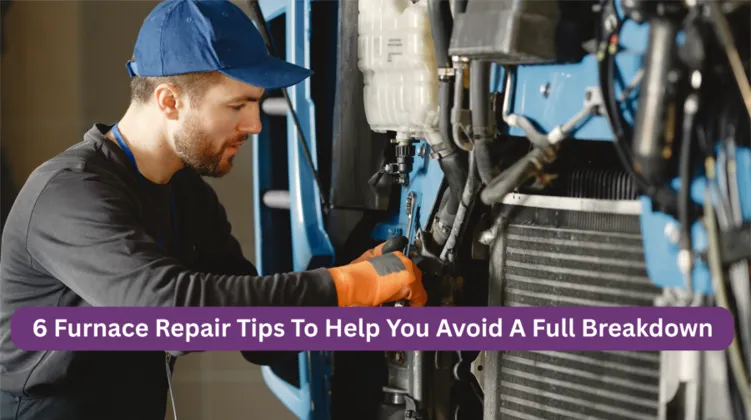
Once the cold months arrive, a furnace is one of the most frequently used appliances in the house. However, numerous homeowners have to cope with untimely heating failures that force them to seek emergency repairs.
There is nothing more unpleasant than waking up to a cold home due to a malfunctioning furnace that stopped working at night.
By taking some preventative measures and making intelligent maintenance decisions, you can keep your system running efficiently and extend its life cycle.
In this article, we will discuss six furnace repair tips to help prevent costly breakdowns and unexpected discomforts.
1. Schedule Professional Inspections
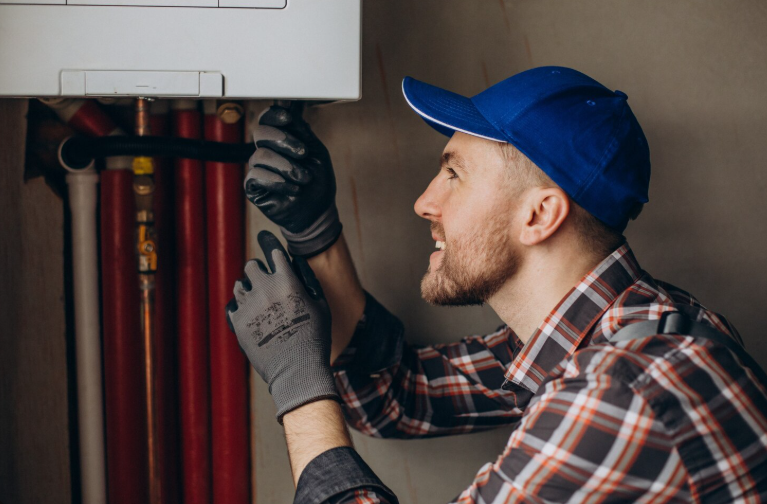
Although your furnace is running just fine, scheduling an annual inspection for furnace repair can make a world of difference.
A qualified technician can detect minor issues before they escalate into more costly repairs. They will examine crucial parts such as the heat exchanger, blower motor, the burner assembly, the ignition system and make sure that they are in good shape and operating safely.
During these inspections, the technician cleans the furnace’s critical areas to preserve efficiency and prevent dust buildup, which can damage delicate components. It acts as a furnace’s health exam—catching the issue early before it becomes untreatable.
In addition, regular inspections guarantee your furnace functions safely, thereby lessening hazards such as carbon monoxide poisoning—an issue that must be taken very seriously.
2. Replace Air Filters Regularly
One of the most common risks to your furnace lies in a clogged air filter.
A dirty filter reduces airflow, which then forces the system to work harder than when the filter is clean. In the long term, this pressure contributes to overheating, low performance, and mechanical breakdowns.
To avoid this, it is best to change the filters at least once a month or every three months, depending on the frequency of use and the conditions of the house, such as whether one has pets, allergies, or lives in a dusty area.
3. Keep Vents and Registers Clear
Obstructed vents and registers can disrupt normal air flow, leading to the overworking of the furnace, wearing it down prematurely. Furniture, rugs, or even dust accumulation may form obstructions to trap the heat in the duct, instead of allowing it to circulate throughout the house. This not only reduces efficiency but also causes uneven temperatures in various rooms.
Inspect your house regularly by simply walking through it to ensure that every vent is open and not blocked. Regular vacuuming of vents can also enhance air flow and the quality of indoor air.
This simple action contributes to the performance of furnaces, reduces energy bills, and makes sure that all the rooms of the house are warm, regardless of the weather outside.
4. Listen for Unusual Noises
Furnaces often give warning signs before breaking down completely, and unusual noises are one of the clearest signals. Rattling, banging, or squealing sounds can indicate loose parts, motor issues, or ignition problems. Sometimes, these noises mean that a component is nearing the end of its life and needs attention.
Instead of ignoring these sounds, take them seriously and call a technician to investigate. Addressing noise-related issues early can prevent further damage to critical components, saving both time and money on repairs. Staying attentive to these small changes allows you to act before the system fails altogether. Paying attention now can save you from costly, last-minute repair bills when you least expect them.
5. Monitor the Thermostat and Pilot Light
Sometimes furnace issues are traced back to controls rather than the system itself. A malfunctioning thermostat can cause uneven heating or frequent cycling, while problems with the pilot light or electronic ignition can prevent the furnace from running at all.
If you notice inconsistent heating cycles, short bursts of heat, or a pilot light that won’t stay lit, don’t delay repairs. These issues might appear minor, but they can quickly lead to system-wide failures.
6. Don’t Delay Minor Repairs
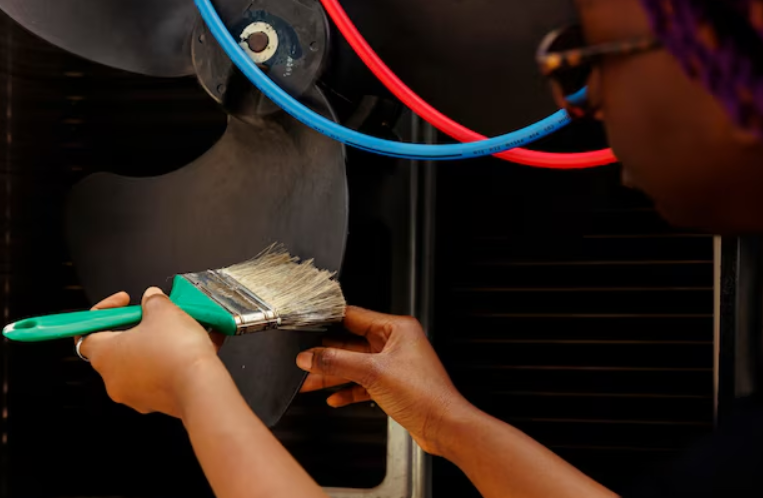
One of the biggest mistakes homeowners make is putting off small repairs, hoping the furnace will continue working without intervention. Unfortunately, a minor fault—like a worn belt, dirty flame sensor, or weak capacitor—can escalate into a complete breakdown if ignored.
Promptly addressing even small problems not only saves money but also prevents inconvenient emergencies during peak heating season. Think of furnace repairs as an investment in comfort and security rather than an unwanted expense.
Acting quickly helps protect your furnace from additional strain, extends its lifespan, and ensures that your home stays warm and safe throughout the winter.
Final Thoughts
A furnace is a durable product, yet, like any other machine, it needs care and maintenance to deliver high quality and reliability year after year.
By changing filters frequently, carrying out checks regularly, ensuring that vents are clear, listening to unusual sounds, being conscious of controls, and repairing issues in time, you will minimize the risk of a total failure.
These measures are straightforward, but they go a long way to making your heating system last longer and your energy bills remain low. Preventive maintenance will not only keep your furnace in good working condition, but it will also ensure you stay comfortable on the coldest days of the year.
The action taken today provides you with comfort and warmth in the future, without having to worry about an emergency service call. Consider your furnace as a valuable component of your home that you need to take care of, and it will provide you with warmth when you need it.