

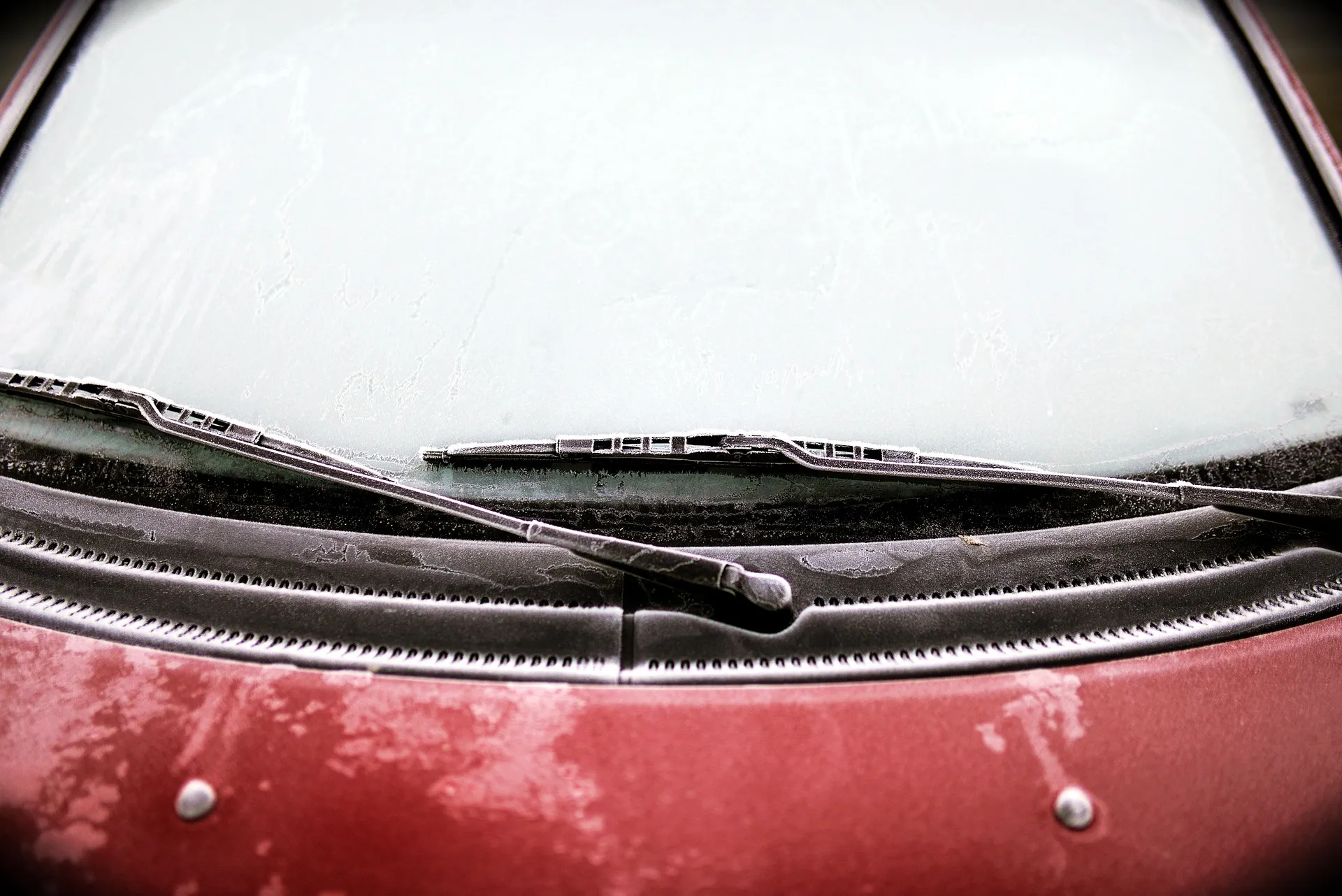
Windshield repair is one of those topics where myths and misconceptions abound. Drivers often delay necessary repairs, choose the wrong service, or trust outdated advice because of misinformation. While a windshield may seem like just glass, it is a critical safety component of your vehicle, supporting structural integrity, airbag deployment, and Advanced Driver Assistance Systems (ADAS) like lane-keeping and collision warnings.
Believing myths can lead to delayed repairs, increased costs, and safety hazards. In this article, we’ll debunk the top 7 myths about windshield repair, explain why they’re wrong, and provide clear guidance for safe and effective repairs. Each myth includes multiple sub-sections, real-world examples, and detailed advice.
Why Understanding Windshield Repair Matters
Before we dive into myths, it’s essential to understand why windshield repair is more than cosmetic:
- Safety first: A damaged windshield can fail in an accident, increasing injury risk.
- Sensor accuracy: Many modern cars rely on windshield-mounted cameras and radar. Misalignment affects ADAS performance.
- Cost efficiency: Addressing chips early prevents full replacements, saving money in the long run.
Ignoring proper repair procedures can turn minor chips into major cracks, endanger passengers, and compromise expensive technology.
Top 7 Myths About Windshield Repair
We’ve broken down each myth into detailed explanations, including sub-sections with practical examples and professional advice.
1. Myth: Small Chips Don’t Need Immediate Repair
Many drivers believe that tiny chips are harmless. On the surface, a small chip might seem insignificant, but stress from road vibrations, temperature changes, and sunlight can turn it into a major crack overnight.
Real-world example: A driver ignored a dime-sized chip on their highway commute. Within a week, it expanded to a crack spanning several inches, requiring full windshield replacement. Immediate repair would have saved hundreds.
2. Myth: DIY Kits Work as Well as Professional Repairs
Over-the-counter repair kits may appear convenient, but they often fail to address the structural and optical integrity of the glass.
Example: A DIY kit left tiny air bubbles in a chip, which spread after high-speed travel, compromising the windshield. Professional intervention corrected the problem.
3. Myth: Insurance Won’t Cover Small Repairs
Many people assume that insurance only covers full windshield replacements. In reality, most comprehensive auto policies cover chip repairs with minimal or no deductible.
Example: A policyholder assumed a $60 chip repair wouldn’t be covered. After calling their insurance, the shop handled the claim, and the repair was free.
4. Myth: All Glass Shops Are the Same
Not all shops provide the same quality. Experience, certifications, materials, and equipment dramatically affect results.
Example: A driver chose the cheapest shop, only to find water leaking and ADAS malfunctioning. Certified technicians later fixed both issues properly.
5. Myth: Cracks Can’t Affect Safety Systems
Some drivers assume that small cracks or chips are purely cosmetic. For vehicles with ADAS, this is dangerously false.
Example: A cracked windshield on a Tesla caused lane assist errors until it was repaired and recalibrated by a certified shop.
6. Myth: Windshield Repair Is Always Expensive
Many assume repairs are costly, but early chip repairs are relatively inexpensive compared to full replacements.
Example: A driver delayed a $75 chip repair. The crack expanded, requiring a $450 replacement. Quick action would have saved $375.
7. Myth: You Can Drive Normally Immediately After a Repair
Some believe repaired windshields are immediately ready for stress, but adhesives require proper curing time.
Example: A driver washed their car an hour after repair. Adhesive failed in one corner, necessitating another repair.
FAQ Section
Q1: Can a windshield chip really cause airbag failure?
Yes. The windshield supports the deployment of front airbags. If the glass is compromised, the airbag may not deploy correctly, increasing injury risk during a collision.
Q2: Are all windshield repair kits unsafe?
DIY kits can work for minor chips away from edges or ADAS sensors, but they cannot match professional quality, especially for cracks or chips near sensors. Professionals ensure clarity, structural integrity, and sensor functionality.
Q3: How soon should I repair a chip to avoid replacement?
Ideally, repair within 24–48 hours. Prompt repairs prevent cracks from spreading due to vibrations, temperature changes, or long-distance driving.
Q4: Does insurance really cover minor repairs?
Most comprehensive auto policies cover chip repairs with minimal or no deductible. Check your policy, and work with a professional shop for hassle-free claims.
Q5: How do I know if my ADAS sensors need recalibration?
Signs include lane assist errors, collision warnings, or adaptive cruise malfunctions. Any windshield repair near camera or radar sensors should be professionally inspected and recalibrated.
Conclusion
Believing myths about windshield repair can cost you time, money, and safety. From assuming small chips are harmless to trusting DIY kits blindly, misinformation puts drivers at risk.
By debunking the top 7 myths, we’ve highlighted the importance of timely repair, certified technicians, ADAS calibration, and proper materials. Always inspect your windshield regularly, address chips quickly, and choose professional services when necessary.
A safe, clear, and properly repaired windshield is more than convenience—it’s critical for driver safety, structural integrity, and sensor functionality. Don’t let myths dictate your windshield care; take proactive steps to ensure every drive, especially long journeys, is safe and stress-free.