

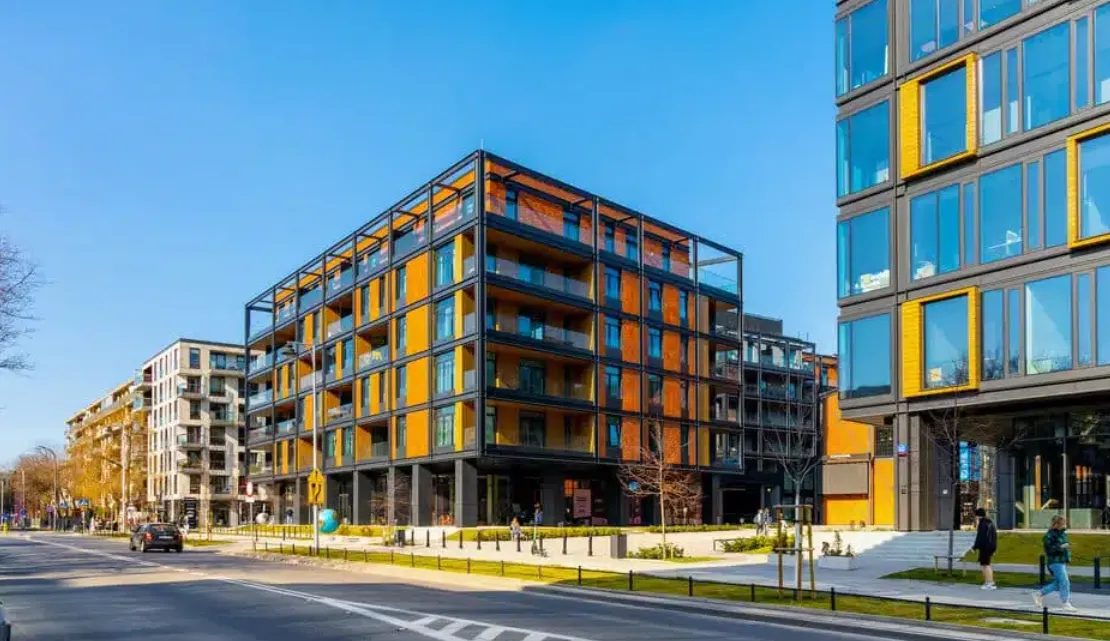
The housing market is entering a period of remarkable transformation. Environmental pressures, technological leaps, and shifting lifestyles are combining to redefine what “home” means. Here are eight key trends set to dominate the next decade, and how you can use them to make smarter property decisions.
Net-Zero and Passive House Construction Goes Mainstream
Energy-efficient design is no longer a niche. Expect most new homes to follow net-zero or passive house standards, featuring airtight insulation, high-performance windows, and advanced ventilation systems. These properties generate as much energy as they use, dramatically cutting carbon footprints and utility bills. Forward-thinking developers in the UK are already marketing homes with on-site solar, air-source heat pumps, and battery storage to meet growing demand.
Flexible, Multi-Functional Layouts
The pandemic accelerated the need for adaptable interiors. Over the next decade, transformable spaces will become a standard selling point. Think sliding walls that convert a living area into a home office, Murphy beds that fold away for workouts, or kitchens designed to double as entertaining hubs. Families want homes that can evolve through different life stages without constant renovations.
Micro-Communities and Pocket Neighbourhoods
As urban land prices climb, developers are creating small clusters of homes arranged around shared gardens, co-working studios, or communal courtyards. These “pocket neighbourhoods” foster a sense of connection while reducing infrastructure costs. Expect a rise in developments that combine privacy with collective amenities like tool libraries, EV charging hubs, and community allotments.
Seamless Smart Home Integration
The next generation of smart homes will feel invisible yet essential. Lighting, security, heating, and appliances will communicate effortlessly through AI-driven systems, adjusting settings based on your habits. Future buyers will look for built-in smart infrastructure, rather than after-market gadgets.
Regeneration and Adaptive Reuse
With sustainability high on the agenda, converting old warehouses, factories, or even churches into residential spaces will grow in popularity. Adaptive reuse preserves local character and reduces construction waste while offering unique layouts full of industrial charm. Cities across the UK are already transforming underused commercial blocks into stylish, energy-efficient apartments.
Location as a Lifestyle Choice
Buyers are prioritising walkable neighbourhoods with cafés, independent shops, public transport links, and green spaces. Instead of simply chasing square footage, future homeowners will seek communities that match their daily rhythms, whether that’s a five-minute cycle to work or easy access to artisan bakeries and riverside walks.
Off-Site and Modular Construction
To speed up delivery and reduce costs, modular housing will surge. Entire rooms or building sections will be manufactured off-site and assembled quickly on location, resulting in lower environmental impact and shorter build times. Expect to see more sleek, prefabricated designs that rival traditional builds in quality and style.
Age-Friendly and Multi-Generational Living
As populations age, homes that accommodate multiple generations will be in demand. Properties with accessible layouts, ground-floor bedrooms, or attached “granny flats” will command a premium. Forward-thinking designs may include private entrances or flexible annexes that can shift from rental units to family suites.
Finding Your Future-Ready Home
Understanding these trends is the first step. The next is finding a property that embodies them. For those exploring opportunities in the South West, local expertise is invaluable. Trusted Bristol estate agents can help identify homes that already feature energy-saving upgrades, adaptable layouts, or access to vibrant micro-communities. Their insight into emerging neighbourhoods can guide you toward properties with lasting value in a fast-changing market.
Key Takeaway
The homes of tomorrow will be smarter, greener, and more adaptable than ever. By recognising these shifts early, buyers and investors can secure properties that meet both today’s needs and tomorrow’s demands, turning every purchase into a long-term advantage.