

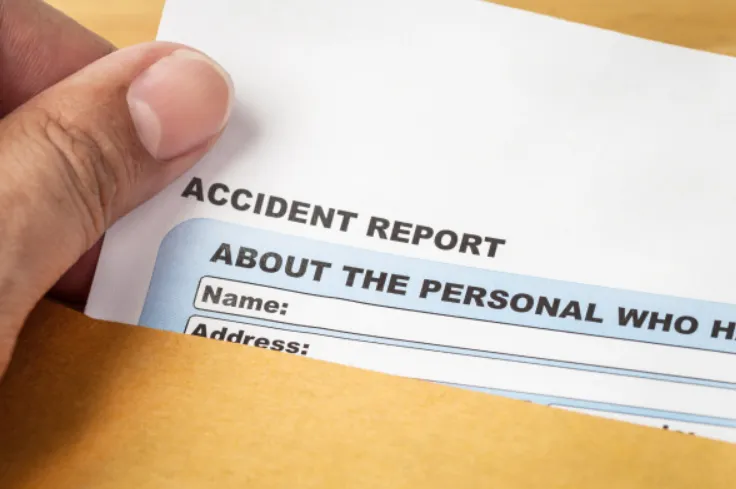
Police accident reports serve as central evidence in insurance disputes and legal settlements, often making the difference between winning and losing your case. These official documents carry significant weight with insurance companies and courts because they represent an objective third-party account of what happened.
Most people treat accident reports as simple paperwork, but experienced attorneys understand that these documents can make or break personal injury cases. The information contained in police reports influences how insurance companies evaluate claims and affects settlement negotiations from day one.
Your accident report Houston request is more than paperwork—it’s the backbone of fault, injuries, and damages in a claim. Understanding how to obtain, review, and use accident reports strategically can significantly strengthen your position in any dispute that arises from a car accident. Smart accident victims know that these reports are the foundation for successful negotiations and trials.
What Information Police Reports Contain
Accident reports include detailed diagrams showing vehicle positions, impact points, and road conditions that help establish how the collision occurred. These visual elements often prove more persuasive than written descriptions because they provide clear, objective evidence that’s hard to dispute during settlement negotiations or court proceedings.
Officer observations about driver behavior, vehicle damage patterns, and scene conditions get documented in ways that can support or undermine fault determinations. Police officers note things like alcohol odors, aggressive driving behaviors, or equipment failures that ordinary witnesses might miss or forget to mention later.
Witness statements collected at the scene get preserved in the official report, providing contact information and initial accounts while memories are fresh. These statements often contain crucial details that help establish fault, especially when the drivers involved give conflicting accounts of what happened.
Traffic citations issued at the scene typically appear in accident reports and can significantly influence insurance company decisions about fault and liability. While citations don’t automatically determine fault in civil cases, they create a strong presumption that the cited driver violated traffic laws and caused the accident.
How Lawyers Use Reports to Build Stronger Cases
Experienced attorneys analyze every detail in accident reports to identify evidence that supports their client’s version of events and damages claims. They look for inconsistencies in the other driver’s story, witness statements that contradict the opposing party’s account, and physical evidence that proves their client wasn’t at fault.
Police reports often contain technical details about vehicle damage, skid marks, and impact angles that help accident reconstruction experts determine speeds, directions, and fault percentages. These scientific analyses can dramatically strengthen cases by providing objective proof of how accidents occurred.
Medical information documented in accident reports helps establish the connection between the collision and claimed injuries, which becomes crucial for proving damages in personal injury cases. Emergency medical technician observations and hospital transport details create an official record linking injuries to the accident.
Strategic use of accident report information during settlement negotiations can pressure insurance companies to offer fair compensation rather than risking trial. Lawyers highlight favorable details from reports while addressing any problematic information that might weaken their client’s position.
Common Mistakes People Make With Reports
Many accident victims never bother to obtain copies of their police reports, missing opportunities to identify errors or gather crucial information for their cases. Without reviewing the report, they can’t know whether the officer’s account supports their version of events or needs correction through official channels.
Waiting too long to request accident reports can create problems because some jurisdictions have time limits for obtaining copies, and memories fade while victims delay taking action. Insurance companies and opposing attorneys will already have copies and be building their strategies while victims remain unaware of what the report contains.
Accepting inaccurate reports without challenging them allows false information to become part of the official record that will be used against them in settlement negotiations and trials. Many people assume police reports can’t be changed, but most departments have procedures for correcting factual errors when presented with proper evidence.
Sharing accident reports carelessly with insurance companies or other parties without understanding how the information might be used against them can damage their cases significantly. Some details in reports might seem harmless but could be twisted to support arguments that the victim contributed to causing the accident.
What to Do If Your Report Contains Errors
Contact the investigating officer immediately when you discover factual errors in your accident report, as most departments allow corrections for mistakes like wrong addresses, incorrect license plate numbers, or inaccurate vehicle descriptions. These corrections help ensure the official record accurately reflects what happened.
Document any errors with photographs, receipts, or other evidence that proves the report contains incorrect information about vehicle damage, road conditions, or other observable facts. This evidence helps convince police departments to make corrections and supports your position if the errors can’t be officially changed.
Submit formal requests for report amendments through proper police department channels, following their specific procedures for challenging inaccurate information. These procedures vary by jurisdiction, but most departments have established processes for handling disputed report contents when presented with convincing evidence.
Work with an experienced attorney when police departments refuse to correct significant errors that could affect your case outcome. Lawyers understand how to address inaccurate reports through legal motions and can minimize the damage from uncorrected errors during settlement negotiations or trials.
Conclusion
Police accident reports serve as the foundation for insurance negotiations and legal proceedings, making them far more important than most accident victims realize. These documents influence how your case develops from the moment they’re filed until final resolution through settlement or trial.
Understanding how to obtain, review, and strategically use accident reports gives you significant advantages during the claims process. Smart accident victims treat these reports as crucial evidence rather than routine paperwork that can be ignored or handled carelessly.
Taking proper action to secure accurate reports and address any errors protects your legal rights while strengthening your position for fair compensation. Don’t let poor report management undermine an otherwise strong case for the damages you deserve.