

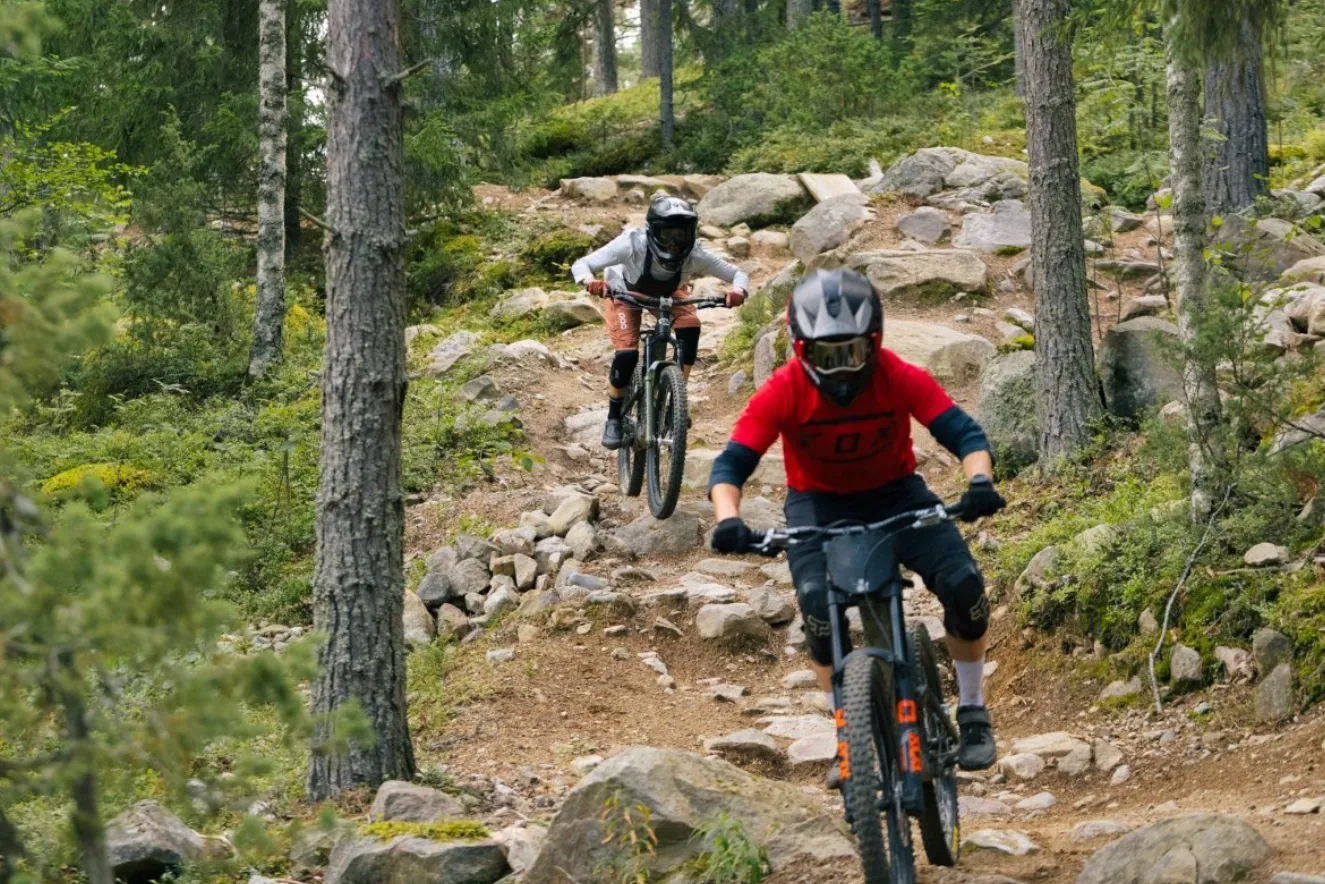
Riding singletrack isn’t just about fitness or gear. It’s about reading the trail, trusting your instincts, and learning to stay loose when things get rough. Whether you’re new to the sport or just trying to level up, there’s always something to improve. Here’s what really helps—straight from the riders who know.
Start With the Trails You Actually Enjoy
Don’t get caught up chasing mileage or black diamond bragging rights. Start with trails that feel fun, even a little easy. Flow trails help build rhythm and confidence, which is a better long-term investment than white-knuckling down something too steep too early.
Dial in Your Body Position and Balance
One of the biggest breakthroughs for most riders is learning how to stay centered and loose.
- Keep your elbows out and your knees slightly bent
- Stay low and hover over your pedals in rough sections
- Don’t lock your arms or death-grip the bars—your bike wants to move, and you want to let it
Practice this on mellow trails until it becomes second nature.
Look Ahead, Not Down
Your bike follows your eyes. If you’re staring at the rock in front of your wheel, you’re probably going to hit it. Instead, keep your gaze a few feet down the trail so you can spot turns, roots, or drop-offs before you’re already on top of them.
Learn to Use Your Brakes the Right Way
Braking is less about stopping and more about control. You want to use both brakes, but favor the rear slightly on steep descents to avoid going over the bars. Pulse your braking rather than holding them down to stay smooth and avoid skidding.
Practice Cornering on Low-Stakes Terrain
Most crashes happen in corners. Practice shifting your weight, leaning the bike (not just your body), and entering turns wide and exiting tight. A local park or pump track is great for this.
Don’t Skip the Climb—It’s Part of the Fun
Getting better at climbing means more access to trails and less burnout. Shift early, find a steady cadence, and don’t fight the bike. You’re not racing—just aiming for a sustainable groove.
Ride With People Who Are Slightly Better Than You
It’s one of the fastest ways to improve. You’ll push yourself without getting overwhelmed, pick up technique just by watching, and maybe even learn a few local secrets. Just don’t be afraid to walk something you’re not ready for.
Invest in Skills Before You Invest in Gear
Sure, good gear helps—but a solid rider on a basic hardtail will still out-ride a beginner on a $7k rig. Before you blow the budget, spend time learning your current bike inside and out. If you’re going to upgrade anything, make it your helmet, shoes, and contact points first.
Checking Out Local Rides
If you’re traveling to ride—whether it’s a weekend trip or a longer road loop—make a habit of stopping into local bike shops along the way. They’re often the best source for honest trail conditions, gear tweaks, and route recommendations that haven’t made it online yet.
Shops like Avalanche Sports bike shop in Breckenridge, Over the Edge in Fruita, or Absolute Bikes in Salida are more than just places to buy tubes—they’re part of the riding culture. You’ll often find shop employees who’ve built or maintained the trails you’re about to ride, and they’re usually happy to point you in the right direction or help troubleshoot a setup issue.
Plus, picking up a patch kit or local sticker is a good excuse to support the spots that help keep the scene alive. Every town has that shop—the one with character, a few beat-up loaner tools, and a dog sleeping in the corner. Seek them out.
Be Patient and Stay Loose
You’re going to fall. You’re going to have off days. That’s part of the deal. The more you relax, the more fun you’ll have—and the better you’ll get. Improvement comes from time on trail, not just time on a training plan.
Bonus Tip: Keep a Trail Journal
Write down where you rode, what you felt good about, and what freaked you out. It’s not homework—it’s a way to track progress and get perspective. Plus, it helps you plan return trips and build up your confidence over time.