

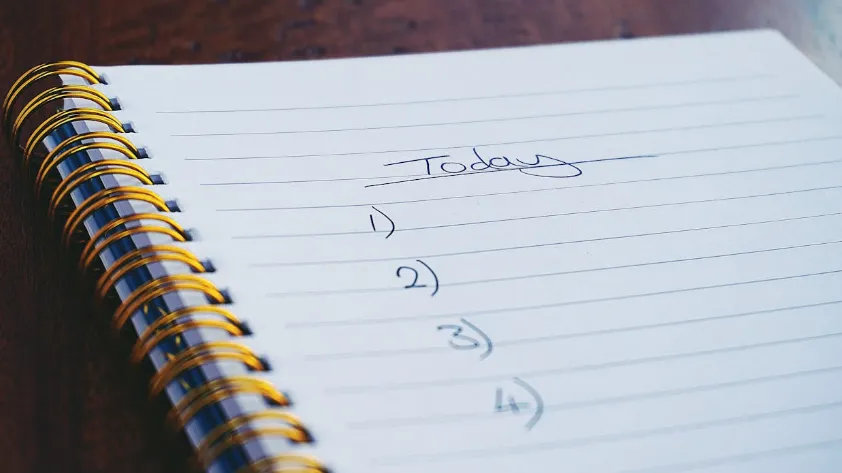
So, what’s the biggest secret to success in long-term addiction recovery?
It’s not what you might think. It’s not willpower or motivation or having the best treatment program.
The real secret to long-term recovery success?
A strong daily routine.
The biggest struggle most people in recovery face is the same issue: they have an average of 16 to 18 hours of brand new, unoccupied free time in their day each day. That’s a lot of time to fill…
And that’s the problem:
Without any structure, all that free time is dangerous. That’s when cravings set in. That’s when old habits resurface.
But if you have a solid routine in place?
Everything changes.
In This Post, We’ll Explore:
- Why Routine Is Your Strongest Weapon In The Fight Against Relapse
- How To Build Routine And Structure That Actually Works
- The Science Of Routine And Recovery Success
- How To Create A Recovery Schedule For Yourself
- The Most Common Mistakes People Make In Building A Routine That Sabotages Their Progress
Why Routine Is Your Strongest Weapon In The Fight Against Relapse
Here is a little secret about addiction recovery that most people don’t understand…
When a person is in active addiction, they literally plan their entire day around getting, using, and recovering from substances. Remove that, and there is a huge void in their life.
That void is exactly where relapse happens.
The statistics are kind of frightening. 85% of people with substance use disorders relapse in the first year of recovery. However, here’s what’s interesting…
People who establish strong, structured routines? Their recovery rates are dramatically better. This is why the best alcohol rehab New Jersey programs integrate routine building as a fundamental part of their treatment programs.
Why does routine work so well?
One of the biggest reasons is it limits what psychologists call “decision fatigue.” This is the mental exhaustion that results from having to make decisions throughout the day. In early recovery, your brain is healing. It’s working overtime just trying to repair itself from the effects of the substance. Making hundreds of small decisions every day just wears down your willpower and desire to do difficult things.
However, when you have a routine?
The vast majority of those decisions are made for you.
You wake up at 7 AM. You exercise at 7:30 AM. You eat breakfast at 8:30 AM. No decisions necessary.
That leaves you mental energy for the big decisions and work – like staying sober.
How To Build Routine and Structure That Actually Works
Building a healthy routine for yourself isn’t about overloading your day with activity. That is a surefire way to burnout.
Instead, it’s about having several consistent anchors throughout your day.
Here’s how you can start building that structure:
Begin with non-negotiables
There are certain activities that should happen every day, no matter what:
- Wake-up time (yes, even on the weekends)
- Meals (regular eating times help with mood swings)
- Recovery support activities (meetings, calls, therapy)
Add structure one piece at a time
Don’t try to redesign your entire life overnight. That’s how people exhaust themselves and quit.
First, work on building a strong morning routine. Get that in place for 2-3 weeks. Then start an evening routine.
Note: Psychologists say that it takes about 3 weeks for a new habit to “stick.”
Add physical activity
Exercise is not an optional part of recovery. It’s medication. A 20-minute walk is good. Yoga counts. Dancing around your living room counts.
The key is consistency.
Build social connection into your routine
Isolation is a death sentence for recovery. So your routine should have regular connection to supportive people – sponsor check-ins, support group meetings, or family dinners.
The point: Recovery happens in community, not isolation.
The Science Behind Routine and Recovery Success
You may be asking yourself, “Why is routine so powerful for people in recovery?”
The answer is simple: brain chemistry.
In addiction, the brain’s reward system gets rewired to prioritize substances above everything else.
Recovery is the process of re-wiring that system back to normal. Routine helps with that in a few different ways:
Reduces stress hormones
Randomness and unpredictability are stress triggers. Stress triggers cravings. Cravings lead to relapse.
But when you know what’s coming next? Your stress levels reduce. Your cortisol (stress hormone) levels normalize. Your brain can focus on healing instead of survival mode.
Builds self-efficacy
This is the belief you have in your ability to overcome challenges. The more you practice following through on commitments like routine activities, the more you prove to yourself that you can do it.
This builds confidence, and confidence is fuel for recovery.
Creates positive neuroplasticity
This is the process where your brain strengthens the neural pathways for the choices and behaviors you practice. When you choose healthy activities over unhealthy ones repeatedly, over time, those healthy behaviors become automatic.
In other words, that is how routine becomes second nature.
Creating Your Personal Recovery Schedule
The one thing to remember about routines in recovery is they have to be individualized to each person.
The key: Every effective routine has certain key elements:
Morning routine (first 2 hours)
- Consistent wake-up time
- A form of self-care (meditation, journaling, exercise)
- Healthy breakfast
Daytime structure
- Work or meaningful activity
- Regular meal times
- Connecting with other people
Evening routine (last 2 hours)
- Reflecting on the day
- A relaxing activity
- Consistent bedtime
Programs and treatment providers that put an emphasis on building sustainable daily habits see dramatically better long-term outcomes than those that focus only on addressing the addiction.
Common Routine Mistakes That Sabotage Progress
It’s worth noting that people often make mistakes when building their recovery routine that set themselves up for failure.
Here are the big ones to avoid:
Trying to do too much
It’s a common problem. People jump in with both feet and try to overhaul everything in their life at once.
Want to wake up at 5 AM and immediately go for a two-hour run followed by a 30-minute meditation session?
That’s a lot to take on at once.
It’s okay to start small and build gradually. Over time, you can add more and more elements to your routine.
Being too rigid in your routine
Structure is important, but so is flexibility. The key is to get back to your routine as soon as possible after life events and disruptions.
Not planning for disruptions
You will get sick at some point. You will travel and be away from your normal routine.
Build plans for what you will do during those times. It’s part of creating a realistic, sustainable routine.
Setting Yourself Up For Long-Term Success
Building a solid, sustainable routine in recovery isn’t something you do once and move on.
This is an ongoing process.
Here are a few tips for making it stick:
Track your progress
Keep a journal of what’s working and not working for you. Notice the patterns and adjust your routine accordingly.
Stay flexible
Your routine at 30 days sober is going to look different than your routine at 2 years sober. That is normal and expected.
Get support
Do this with a therapist, sponsor, or recovery coach to build accountability.
Building Your Foundation for Tomorrow
The one thing you need to remember about routines in recovery is this:
They are only as good as the effort you put into them.
They are not magic. They do not cure addiction on their own.
But they are one of the most effective tools you have for building a life worth living.
Keep in mind: 75% of people who develop an addiction do recover. You can be one of them.
Start small. Be consistent. Stay flexible. And never give up.
Your routine is the foundation. Build it strong, and everything else becomes possible.
It’s not only about stopping substance use. Recovery is about building a life so great that you never want to escape from it.
And that life starts with what you do day by day. One routine at a time.