

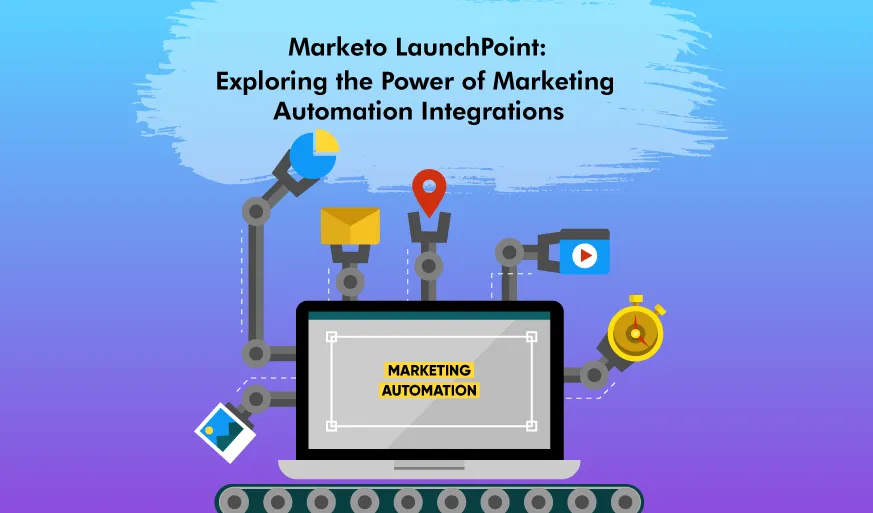
Marketing used to be a messy process. Even for small businesses, it often meant juggling multiple tools just to get through a single day. One platform for social media scheduling, another for email campaigns, something else for analytics, and then spreadsheets or notes to keep everything together. It worked, but only just. Most people running businesses in this way weren’t really managing marketing, they were managing tools.
That’s why all-in-one integrations have become such a big shift in how marketing is handled today. The idea is simple on the surface but powerful in practice: instead of manually moving between disconnected systems, everything works together in one connected workflow. Content creation, publishing, tracking, and even optimization can happen without constant switching or repetition.
The real benefit isn’t just convenience. It’s time. And more importantly, mental space.
The hidden cost of manual marketing
Most people underestimate how much time manual marketing actually consumes. It is not just the obvious tasks like writing posts or sending emails. It is the small friction in between everything that adds up.
Logging into different platforms. Copying and pasting content. Reformatting posts for different channels. Double-checking schedules. Rewriting captions because something didn’t transfer correctly. Switching tabs just to check performance data.
Individually, these tasks feel minor. But over a week, they become hours of lost focus. And over a month, they start to slow down consistency.
What makes it more frustrating is that none of this work directly improves marketing results. It is maintenance work. Necessary, but not productive in itself.
Why integration changes everything
All-in-one integrations solve this problem by connecting the pieces of the marketing process so they can work together instead of separately.
Instead of treating content creation, scheduling, and distribution as separate steps, they become part of one continuous system. You create once, and it flows through the rest of the process automatically.
This changes how marketing feels day to day. Instead of constantly asking “what do I need to do next,” the system handles transitions between tasks. The focus shifts from execution logistics to strategy and content quality.
In practical terms, this means:
- Content can be created and published in one place
- Campaigns can be scheduled across multiple platforms at once
- Performance data can be tracked without manually pulling reports
- Updates and adjustments can be made centrally instead of individually
It reduces friction at every stage.
The problem with disconnected tools
Most businesses don’t start with an integrated system. They build one over time. A scheduling tool here, a design tool there, maybe an email platform added later. Each tool solves a specific problem, but they rarely communicate with each other.
This creates a fragmented workflow where information has to be moved manually between systems. And the more tools you add, the more complex it becomes.
The issue is not the tools themselves. It is the lack of connection between them.
Without integration, marketing becomes reactive. You spend more time maintaining systems than improving strategy.
What a connected workflow actually looks like
When marketing tools are properly integrated, the workflow becomes more fluid.
For example, instead of:
- Writing a post in one tool
- Copying it into a scheduler
- Adjusting formatting for each platform
- Then separately tracking engagement
You simply create the content once, and it is distributed automatically across channels in the correct format. Performance data then feeds back into the same system, helping refine future content.
This is where efficiency starts to compound. Each step supports the next instead of requiring separate effort.
Some platforms take this idea further by combining strategy and execution in one environment. In systems like the Blaze ai platform integrations approach, marketing tasks are not just connected, they are structured into a single workflow that reduces the need for constant manual coordination.
Time savings are only part of the benefit
It is easy to focus only on time savings when talking about integrations, but the bigger advantage is consistency.
Manual marketing often breaks down not because people don’t care, but because they get busy. When tasks rely on individual effort every time, they are more likely to be delayed or skipped.
Integrated systems reduce that risk by turning marketing into a repeatable process. Once something is set up, it continues to run even when you are not actively managing it.
That consistency has a direct impact on visibility. Audiences respond better to steady, predictable content than to occasional bursts of activity followed by silence.
Reducing decision fatigue
Another overlooked benefit of all-in-one systems is how much they reduce decision fatigue.
In a manual setup, you are constantly making small decisions:
- What platform should I post on today
- When should I schedule this
- How should I format this for different channels
- What should I prioritize right now
These decisions don’t seem heavy on their own, but over time they add up and drain focus.
With integrations in place, many of these decisions are already structured into the system. That means less time spent deciding and more time spent creating.
Making marketing more sustainable
Sustainability is often the missing piece in marketing discussions. Many strategies work for short periods but are hard to maintain long term. The result is cycles of effort followed by burnout.
All-in-one integrations help break that cycle by making marketing more manageable on a daily basis. When tasks are streamlined and repetitive work is reduced, it becomes easier to maintain consistency without feeling overwhelmed.
This is especially important for small teams or solo operators who don’t have dedicated marketing staff. For them, sustainability is not optional. It is the only way marketing stays active.
From scattered effort to structured systems
The shift from manual marketing to integrated systems is not just a technical change. It is a mindset change.
Instead of treating marketing as a series of individual tasks, it becomes something closer to a system that runs continuously in the background. Your role shifts from constantly executing tasks to refining and guiding the system itself.
That does not mean removing human input. Strategy, creativity, and messaging still matter. But the repetitive execution layer becomes lighter and more automated.
Final thoughts
Eliminating manual marketing tasks is not about working less. It is about working in a more connected way.
When tools are integrated properly, marketing stops feeling like a constant juggling act. Instead of managing separate systems, everything flows through one coordinated process. Content moves smoothly from creation to distribution. Data feeds back into decisions. And repetitive work slowly disappears from the daily routine.
The result is not just saved time, but a more stable and sustainable way of running marketing altogether.