

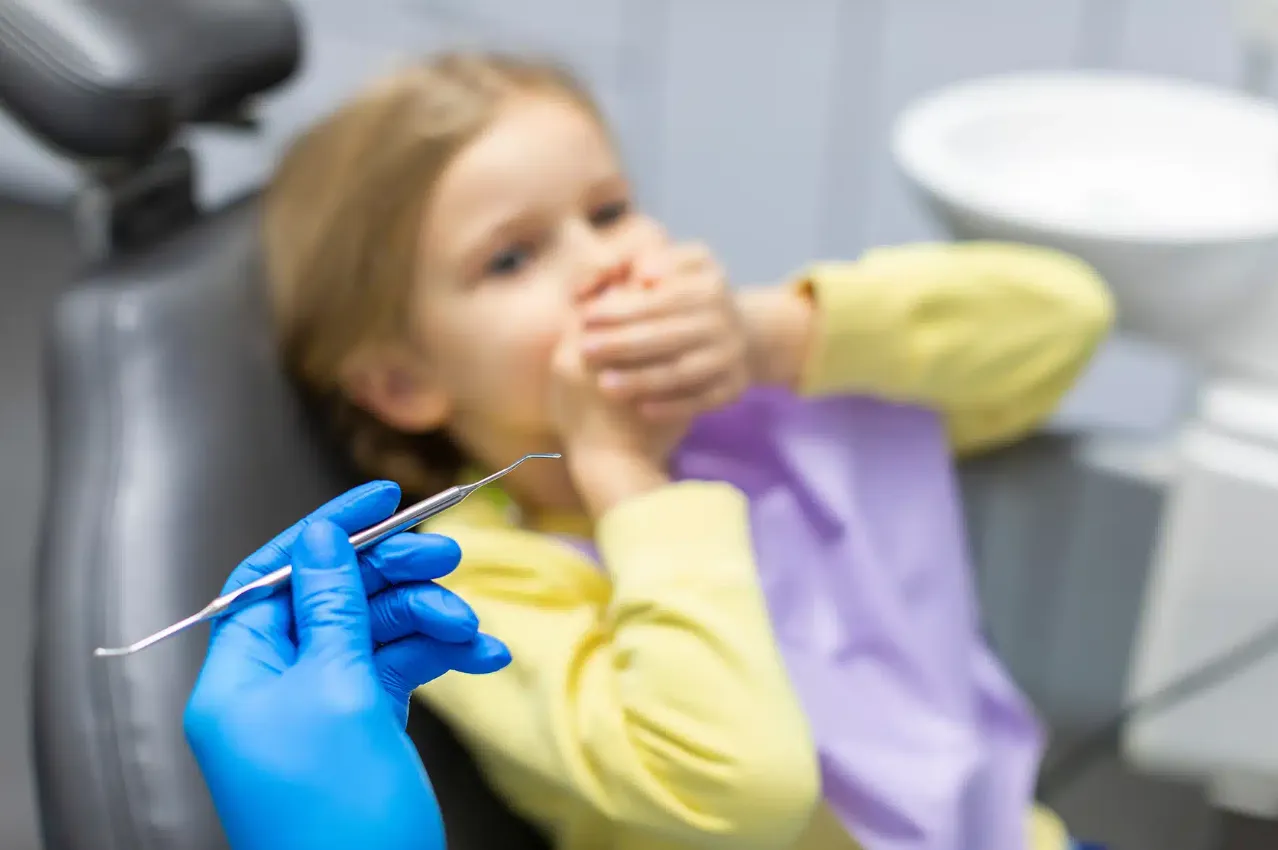
Dental visits can scare young children. You see the small hands gripping the chair and the wide eyes watching every move. Fear in that moment can shape how your child feels about care for years. A trusted family office changes that. You meet the same faces. Your child hears the same calm voice. You see gentle steps explained in simple words. A family team learns your child’s habits and triggers. You learn how to speak about teeth at home without threats or shame. Over time your child links the office with safety instead of pain. This is how a family dentist protects both teeth and trust. If you live nearby, a Hackensack dentist who focuses on families can guide you and your child through each visit with less fear and more control.
Why Young Children Fear The Dentist
Younger children often fear three things during dental visits. They fear the unknown. They fear separation from you. They fear pain or loss of control. You can see this fear even before the first visit. A child may hear stories from older siblings. A child may see scary images online or on television. A past medical visit with shots or restraints can also fuel this fear.
Evidence from the American Academy of Pediatric Dentistry shows that early fear can lead to missed visits. It can also lead to more decay and more emergency visits later. That pattern hurts both health and trust. You can break that pattern with early family care.
How Family Dentistry Changes The Experience
Family dentistry centers on long term relationships. You and your child see the same team as you both age. Your child watches you sit in the chair. Your child hears you ask questions and stay calm. This shared setting gives you three strong tools.
- Familiar faces and routines
- Simple language that fits your child’s age
- Active support for you as the parent
First, a familiar team lowers fear. Your child knows who will greet them. Your child knows who cleans their teeth. Your child knows who counts their teeth. This routine feels safe. Fear drops when surprises drop.
Second, family dentists speak in clear words. They use “tooth counter” instead of “explorer.” They say “sleepy juice” instead of “anesthetic.” They show each tool before use. They let your child touch a mirror or suction. This builds curiosity instead of panic.
Third, your role stays strong. You stay in the room when possible. You hold your child’s hand. You practice open mouth games at home. The office gives you scripts and simple phrases. This support keeps you calm. Your calm body language guides your child.
Key Techniques That Prevent Dental Anxiety
A strong family practice uses several methods at the same time. These methods come from behavior science and child psychology. They are simple to see in action.
- Tell show do. The team explains the step. Then they show the step on a finger or toy. Then they perform the step.
- Positive wording. They avoid words like “hurt” or “shot.” They focus on “clean,” “strong,” and “count.”
- Short visits. Early visits stay brief. They end before your child reaches overload.
- Choice within limits. Your child may choose a flavor or a sticker. Your child may choose which tooth to count first.
- Comfort items. Your child can hold a toy, blanket, or music player.
Guidance from the Centers for Disease Control and Prevention points to early visits as a strong shield against cavities. Family practices use these early visits to build trust, not only to fix teeth.
Age Based Approaches In Family Dentistry
Your child’s needs change with age. A family dentist adjusts the visit style as your child grows. This keeps trust strong through each stage.
| Age group | Main goal | Office approach | Parent role |
|---|---|---|---|
| Infants to 2 years | Comfort with mouth touch | Lap exams, quick checks, gentle tooth wiping | Hold child, model calm, follow brushing tips |
| 3 to 5 years | Trust and simple routines | Tell show do, counting games, short cleanings | Use same words at home, praise bravery |
| 6 to 9 years | Confidence and skills | More explanations, early X rays, sealant talks | Support questions, track brushing and snacks |
| 10 to 12 years | Independence and honesty | Private talks when needed, planning for braces | Respect privacy, stay engaged with checkups |
How You Can Support A Calm Visit
You play a strong role in lowering anxiety. Your words and actions before and after each visit shape your child’s memory.
Before the visit, you can:
- Use simple, honest words. Say “The dentist will count and clean your teeth.”
- Avoid threats. Never say “If you do not brush, they will give you a shot.”
- Practice at home. Play dentist with a mirror and toothbrush.
- Plan rest. Choose a time when your child is not tired or hungry.
During the visit, you can:
- Stay calm. Breathe slowly. Keep your voice steady.
- Let the team lead. Step in only if your child looks to you.
- Praise effort. Say “You kept your mouth open” or “You stayed in the chair.”
After the visit, you can:
- Talk about what went well. Focus on strength, not fear.
- Keep routines. Brush twice a day. Read short books about teeth.
- Schedule the next visit before leaving. This shows that care is normal.
When Anxiety Is Strong
Some children still show intense fear. They may cry, kick, or freeze. A family dentist can respond with more tailored steps. These may include extra “happy visits” with no treatment. They may include quiet rooms or dimmer lights. They may involve a referral to a child psychologist or a specialist for more support.
You do not need to feel shame if your child fears the chair. Fear is a natural human response. The key step is early action. Raise your concerns with the dentist. Ask for a clear plan. Agree on signals your child can use to pause treatment.
Building A Lifelong Sense Of Safety
Dental anxiety in childhood often carries into adult life. That pattern leads to missed care, more decay, and sudden emergencies. Family dentistry steps in early. The team links care with safety, respect, and clear choice. You stand beside your child. You watch fear turn into steady courage.
You can start with one visit. You can ask one question. You can show your child that care does not equal harm. With each visit, trust grows. Teeth stay stronger. Your child learns that their body is worth care, not fear.