

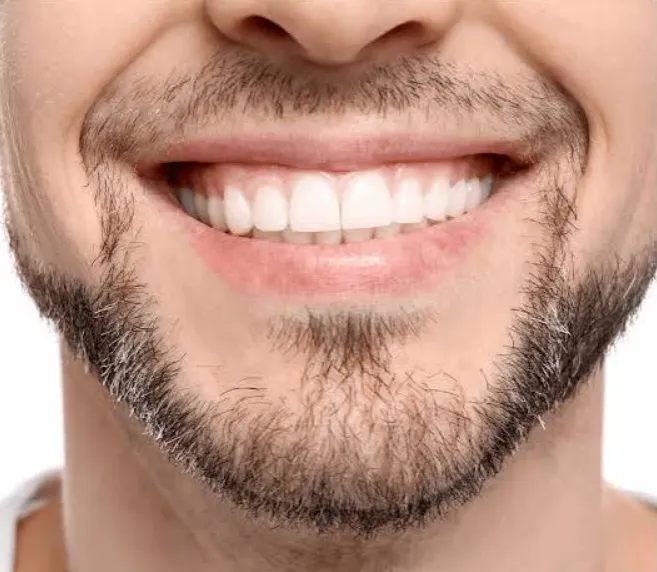
You finally invested in your smile. Maybe you chose veneers to fix worn teeth, crowns to save teeth that were breaking, or whitening to erase years of coffee and tea. At first, you could not stop checking your reflection. Then a new worry started to creep in. As your cosmetic dentist chicago might tell you, how do you keep everything looking this good without breaking or staining it again?
You might be afraid to bite into an apple, worried every sip of coffee is undoing your whitening, or wondering if a small chip in a veneer means you did something wrong. It can feel unfair. You did the “right” thing for your smile, and now you are stressed about ruining it.
Here is the simple truth. Veneers, crowns, and whitening are strong tools, but they are not magic. They still need care. The good news is that a few steady habits will protect your investment and help your smile stay bright and comfortable for many years.
This guide walks you through six practical smile care tips. You will understand what actually damages veneers and crowns, what dulls whitening, and what you can do today to keep your results looking fresh without living in fear of every snack or sip.
Why veneers, crowns, and whitening need special care in the first place
It can feel confusing. Your dentist said your new crown is strong, your veneers are bonded tightly, and your whitening results look amazing. So why all the warnings about foods, coffee, or grinding?
The reason is that each treatment has its own strengths and weak spots. Veneers and crowns are durable, but they are still attached to natural teeth that can decay or weaken. Whitening lifts stains from enamel, but it cannot stop new stains from forming. Because of this tension, you might wonder if you are supposed to treat your teeth like glass.
Consider a few very common scenarios. You chew ice out of habit, and one day a small corner of a veneer chips. Or you skip your nightguard, grind your teeth in your sleep, and a crown feels “off” when you wake up. Or you whitened last year, but daily coffee has slowly turned your bright smile back to a soft yellow, and now you are embarrassed in photos again.
The emotional side is real. You may feel guilty, frustrated, or worried about the cost of fixing things. You might even avoid going back to the dentist because you are afraid you will be judged. You deserve care that protects your smile without shame.
So, where does that leave you? It starts with understanding the most common threats to your dental work, then using a few steady habits to control what you can.
What actually puts veneers, crowns, and whitening at risk?
Before looking at the six tips, it helps to know the main troublemakers. Once you see them clearly, your daily choices start to make more sense.
1. Excess force on teeth. Biting hard objects like ice, pens, or nutshells can chip porcelain veneers and crack crowns. Even chewing very hard foods on the same side of your mouth all the time can add up.
2. Nighttime grinding or clenching. Many people grind in their sleep and never realize it. The pressure can wear down porcelain, loosen crowns, and make teeth and jaw muscles sore.
3. Staining foods and drinks. Coffee, tea, red wine, berries, dark sauces, and smoking or vaping can all stain natural teeth and slowly dull whitening results. Veneers and crowns can be more stain resistant, but the edges and nearby teeth can still pick up color.
4. Plaque and gum problems. Gum disease and decay do not stop just because you have dental work. Plaque can collect at the edges of veneers and crowns and lead to cavities underneath, which can threaten the whole restoration.
5. Skipping regular checkups. Small chips, loose margins, or early gum irritation are much easier and cheaper to fix when caught early. Waiting often means a bigger, more expensive repair later.
If you recognize yourself in any of these, you are not alone. The goal is not perfection. It is small, consistent steps that protect what you have already worked so hard to achieve.
Comparing at-home habits to professional care for long-lasting results
People often ask whether their own home care matters as much as professional treatment, or if they can just “fix it at the dentist” when something goes wrong. The truth sits somewhere in the middle. Both matter, and they work best together.
| Type of Care | What It Does | Benefits for Veneers & Crowns | Benefits for Whitening | What Happens If You Skip It |
|---|---|---|---|---|
| Daily brushing & flossing | Removes plaque and food around teeth and gums | Prevents decay at edges, keeps gums healthy around porcelain | Slows new surface stains and keeps teeth feeling smooth | Higher risk of cavities, gum inflammation, and bad breath |
| Nightguard (if you grind) | Cushions teeth during clenching and grinding | Protects veneers and crowns from cracking or loosening | Prevents uneven wear that can make color look patchy | Possible chips, fractures, or jaw pain over time |
| Professional cleanings & exams | Deep cleaning and careful check of restorations | Catches small issues early and keeps margins clean | Removes stubborn stains and refreshes brightness | Minor problems can turn into costly repairs |
| Touch-up whitening (as advised) | Maintains color after initial whitening | Helps nearby natural teeth match veneers and crowns | Refreshes brightness that fades from daily life | Color slowly returns to pre-treatment shade |
If you are curious about the materials themselves, you can read more about how veneers are designed and used and how different types of crowns protect damaged teeth. For whitening, it can help to understand how professional teeth whitening lifts stains compared with store products.
6 smile care tips to protect veneers, crowns, and whitening
These six habits form the core of smile care for veneers, crowns, and whitening. You do not have to be perfect with all of them. Even small improvements can make a real difference.
1. Treat your teeth like teeth, not tools
Use your teeth for chewing, not for opening packages, cracking ice, or biting off clothing tags. Porcelain is strong but not unbreakable. If you enjoy crunchy foods, cut them into smaller pieces and chew more slowly. This is especially important for front teeth with veneers.
2. Protect against grinding, even if you are not sure you grind
If you ever wake with jaw soreness, headaches, or a feeling that your teeth have been “working all night,” talk to your dentist about a nightguard. A custom guard spreads out the pressure and protects both natural teeth and restorations. It is a simple habit that can save you from cracked veneers or loose crowns in the future.
3. Be smart with staining foods and drinks
You do not have to give up coffee, tea, or red wine forever. Try to limit how long they sit on your teeth. Sip water between drinks. Consider using a straw for cold, dark beverages. Rinse your mouth with water after meals, and brush about 30 minutes later. This helps protect your teeth whitening results without asking you to change your life completely.
4. Clean carefully around gums and edges
Focus your brushing and flossing where veneers, crowns, and natural teeth meet. These edges are where plaque loves to hide. Use a soft toothbrush and gentle pressure. Floss daily, or use tiny interdental brushes or a water flosser if that feels easier. Healthy gums frame your smile and help restorations last longer.
5. Keep a regular schedule with your dentist
Even with excellent home care, you cannot see everything on your own. Regular visits allow your dentist to check the fit of veneers and crowns, look for tiny fractures, and gently remove stains and hardened plaque. When small issues are caught early, adjustments are simpler and less expensive.
6. Plan for gentle touch-ups rather than big redos
Whitening is not a one-time event. Over time, color will soften again. Instead of waiting until you are unhappy, talk with your dentist about a safe touch-up plan that fits your habits. This may mean occasional at-home trays or a quick in-office refresh. Keeping color steady also helps your natural teeth continue to match your veneers and crowns.
Three steps you can take today to protect your smile investment
Step 1: Choose one habit to change this week
Pick the one risk that feels most true for you. Maybe it is chewing ice, skipping flossing, or drinking coffee all morning without rinsing. Focus on that single change for seven days. One clear habit is more realistic than trying to fix everything at once.
Step 2: Do a “home check” in the mirror
Stand in good light and gently smile wide. Look at the edges of your veneers and crowns. Notice your gums. Are they pink or a little red and puffy. Do any areas feel rough to your tongue. You are not diagnosing yourself. You are simply becoming more aware, so you can describe any concerns clearly to your dentist.
Step 3: Schedule your next preventive visit
If it has been a while, call your family and cosmetic dentist and book a cleaning and exam. Mention that you want to protect your veneers, crowns, and whitening. Your dentist can check your restorations, talk honestly about your habits, and suggest a simple plan that fits your life and budget.
Protecting your smile does not have to feel overwhelming
You invested time, money, and courage into your smile. It is natural to worry about keeping it safe. With steady habits, regular checkups, and clear guidance from a trusted family and cosmetic dentist, you can keep your veneers, crowns, and whitening looking bright and feeling comfortable for many years.
You do not need perfection. You just need a simple plan and a team that understands what your smile means to you. Reach out to your dentist, ask your questions openly, and take the next small step. Your smile is worth protecting.