

You might be reading this after a long night with a child in pain, or after rushing to an emergency dental visit that threw off your entire week and your budget. Maybe you are simply tired of feeling like you only see a dentist when something hurts, and you are now looking for a dentist in Financial District San Francisco who can help you break that pattern. That “wait until it is bad” cycle is exhausting.end
There is another way. With the right preventive services, you can turn dentistry from a source of stress into something calmer and more predictable. The idea is simple. Instead of reacting to emergencies, you use a handful of routine services that quietly protect your family’s teeth in the background.
This guide walks through 6 practical preventive services that most family dentists offer. You will see how each one works, what problems it can help you avoid, and how they fit together so you can reduce the chance of those 2 a.m. toothaches. Think of it as a roadmap away from emergency dental visits and toward steady, low‑drama care.
Why do emergencies keep happening if you “go to the dentist” already?
It often starts small. A child skips brushing at night more often than you realize. You miss a checkup because work is busy. A tiny cavity you cannot see slowly grows. By the time you notice, the pain is sharp and the only option is urgent care. You might feel guilty or frustrated and wonder how you are supposed to catch problems you cannot see.
The truth is, you are not failing. Modern life makes consistent routines hard, and dental problems are sneaky. Cavities and gum issues often build silently for months. They usually do not hurt until they are advanced. That is why organizations like the Centers for Disease Control and Prevention stress prevention so strongly. The system is not designed for you to handle this alone at home.
Because of this tension, you might wonder where prevention really fits in. If you are already brushing and flossing, is there anything else you can do that truly changes the picture for your family, especially for young children who may not be great brushers yet?
Yes. That is where structured preventive services come in.
How can preventive dental services cut down emergencies for your family?
Think of preventive care as a safety net that catches problems long before they turn into emergencies. A good family dentist uses a set of routine services that work together. Each one targets a different weak spot, from sticky back teeth that trap food, to early decay in baby teeth, to gum irritation that can flare up later in life.
Here are 6 core preventive services that make a real difference.
1. Regular checkups and cleanings that catch trouble early
Most families know they “should” have cleanings twice a year. The part that often gets missed is why these visits matter so much. During a checkup, your dentist is not just polishing teeth. They are looking for tiny warning signs. A small shadow on enamel, a slight change in the gums, a chipped filling, or a bite issue starting in a growing child.
Professional cleanings remove hardened plaque that you simply cannot brush off at home. That buildup holds bacteria that can trigger cavities and gum infection. The CDC’s oral health prevention guidance highlights routine visits and cleanings as a core way to avoid both tooth decay and gum disease.
When these visits are skipped, small issues quietly grow until they turn into weekend emergencies, root canals, or extractions. When they are kept, problems are usually found when they are easy, quick, and far less expensive to treat.
2. Fluoride treatments to strengthen teeth from the inside
Fluoride sometimes sounds mysterious, yet its job is straightforward. It makes the outer layer of teeth harder and more resistant to acid attacks from food and bacteria. That means cavities are less likely to form, and very early decay can sometimes even be reversed.
Fluoride is especially important for children, because their enamel is still developing and they tend to snack more often. The United States Preventive Services Task Force explains that fluoride varnish and other fluoride options can significantly reduce cavities in young children. You can read their recommendations on preventing dental caries in children under 5.
In a typical visit, a dentist or hygienist brushes a fluoride gel or varnish on the teeth. It takes just a few minutes. For many families, especially those with a history of frequent cavities, this simple step can mean fewer fillings and far fewer emergency calls.
3. Dental sealants that act like shields for back teeth
Back teeth have deep grooves that collect sticky foods and bacteria. Even careful brushing often cannot reach into every tiny pit. That is why molars are the most common place for childhood cavities.
Sealants are thin, protective coatings placed on the chewing surfaces of these teeth. They work like a shield. Food and germs stay on top of the sealant instead of sinking into the grooves. Sealants are painless, quick, and usually do not require any numbing. For many children, they are the difference between a smooth school year and repeated fillings or emergency visits due to sudden pain in a molar.
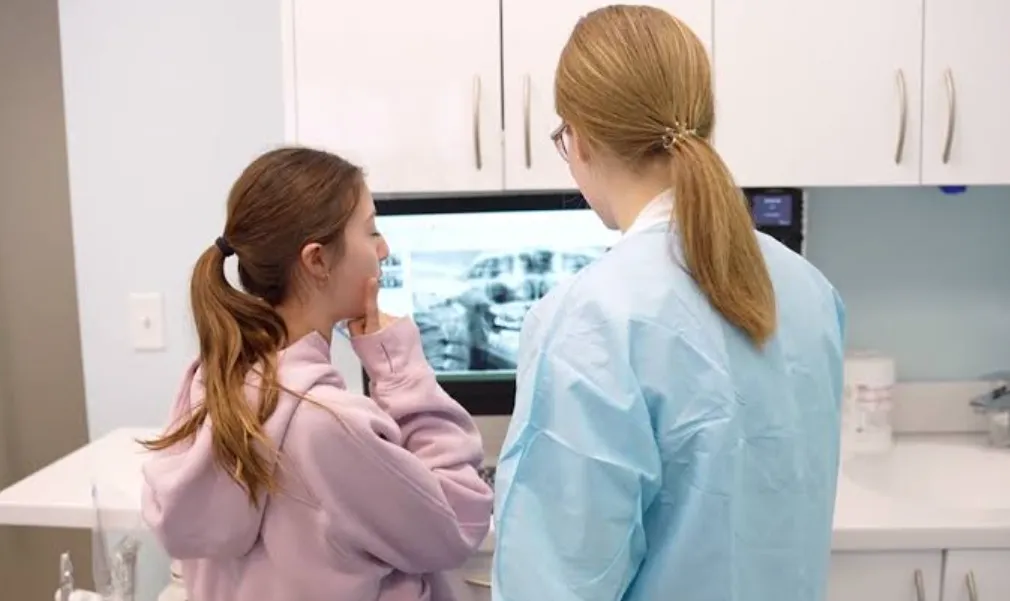
4. X‑rays and exams that spot hidden problems
Some dental problems are invisible to the eye. Cavities between teeth, infections at the tip of a root, and early bone loss often show up first on an X‑ray. Without imaging, these issues may only appear when they hurt, which is often when they are already advanced.
Regular X‑rays, taken with modern low‑radiation techniques, help your dentist plan treatment before there is a crisis. For a child, that might mean catching a cavity between teeth while it is still tiny. For an adult, it might mean seeing a cracked tooth before it breaks on a weekend and sends you searching for emergency care.
5. Personalized home care coaching for real life
Most people have heard “brush twice a day and floss,” yet many still end up with cavities. That is because the details matter. How long you brush, the type of toothbrush, how you angle the bristles, what you snack on through the day, and how you clean around braces or crowded teeth all play a role.
During preventive visits, your dentist or hygienist can watch how you or your child brush, then gently correct what is not working. They can also suggest simple changes, like switching to a different toothbrush head or adding fluoride toothpaste at night. This is not about perfection. It is about small, realistic adjustments that fit your family’s routine and reduce the risk of decay and gum trouble.
6. Early childhood screenings that set kids up for fewer emergencies
Many parents wait until a child has a problem to schedule their first dental visit. By then, decay can be advanced, and the first experience is scary and painful. Early screenings change that story.
Pediatric and family dentists often recommend that children are seen by their first birthday or within six months of the first tooth. These visits are usually short and gentle. The dentist checks how the teeth are coming in, looks for early signs of decay, and talks with you about feeding, snacks, pacifiers, and brushing.
For high‑risk children, such as those who snack frequently or use bottles or sippy cups with sugary drinks, early fluoride varnish and sealants can be started sooner. This kind of early care dramatically lowers the chance of emergency visits for abscessed baby teeth or severe decay that requires urgent treatment.
How do preventive visits compare with emergency visits in real life?
You might be weighing the time and cost of regular preventive care against the “wait and see” approach. It can feel easier to put off appointments when no one is in pain. So how do they really compare when you look at what happens over time?
| Aspect | Preventive family dental care | Emergency dental visits |
|---|---|---|
| Timing | Planned around your schedule, usually every 6 months | Unplanned, often evenings or weekends, disrupts work and school |
| Cost over time | Smaller, predictable costs for checkups, cleanings, and simple treatments | Higher, unpredictable bills for urgent procedures like root canals or extractions |
| Stress level | Lower stress, familiar office, gradual treatment decisions | High stress, pain driven decisions, limited time to think through options |
| Impact on children | Builds trust with the dentist, visits feel routine and safe | First memories tied to pain, fear, and urgent treatment |
| Health outcome | More healthy teeth preserved, fewer invasive procedures | Higher risk of extractions, infections, and long term complications |
Seen this way, preventive services are not just “nice to have.” They are a practical way to protect your time, your budget, and your family’s peace of mind.
What can you start doing this week to avoid emergency dental visits?
Change does not have to be dramatic. A few focused steps can shift your family from crisis care to calm care.
1. Schedule or restore a regular checkup rhythm
If it has been more than six months since anyone in your family saw a dentist, start there. Call a trusted family dental care provider and schedule checkups for everyone. Ask the office to help you set a recurring schedule, for example, every January and July. When visits are on the calendar in advance, they are less likely to be skipped.
2. Ask specifically about fluoride and sealants for your children
At your child’s next visit, ask the dentist if fluoride varnish or sealants would help lower their risk of cavities. Share any history of frequent decay in your family. This helps the dentist tailor a prevention plan. A short sealant visit now can prevent a painful emergency filling later.
3. Simplify home care with small, realistic changes
Pick one or two changes you can stick with. For example, set a two minute timer on your phone for nightly brushing for the whole family. Or move sugary drinks to mealtimes only and choose water between meals. If flossing feels overwhelming, start with just the most crowded area and build from there. Small, steady changes often matter more than big plans that fade after a week.
Moving from crisis to confidence in your family’s dental care
You do not have to live in fear of the next emergency dental visit. With the right mix of preventive services and a supportive family dentist, you can turn care into something calm and predictable. Checkups, cleanings, fluoride, sealants, X‑rays, early childhood visits, and simple home routines all work together to protect your family’s smiles.
If you are coming out of a stressful emergency right now, give yourself some grace. Use this moment as a turning point. Reach out to a family dentist, ask about a prevention plan that fits your real life, and take the first small step toward fewer emergencies and more peaceful nights.