

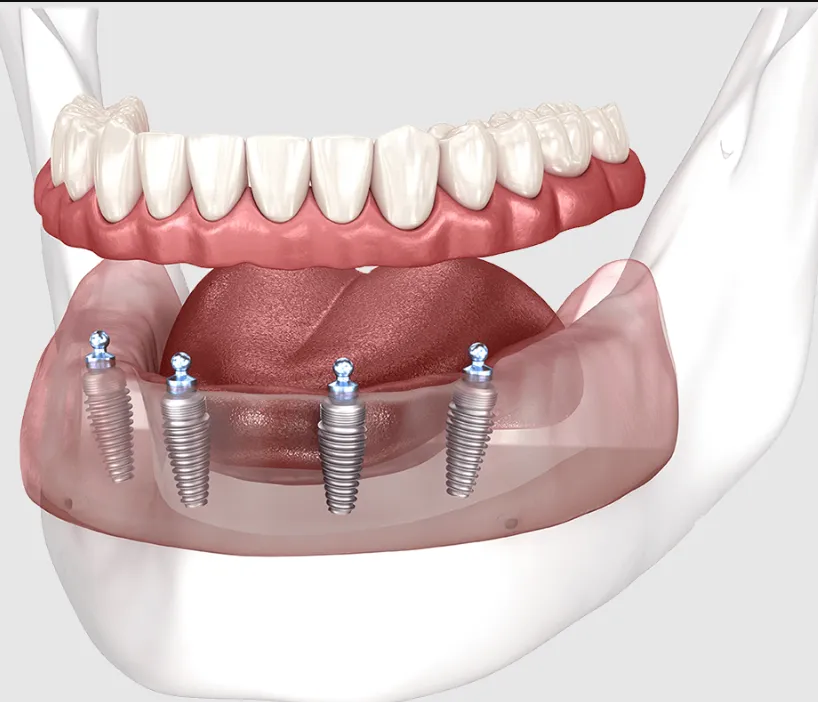
You want teeth that look natural and feel strong. Implant and cosmetic dentistry work together to give you that steady result. Implants replace missing roots so your jaw stays firm. Cosmetic treatments then shape the color, size, and line of your teeth so your smile looks even. Together they fix chewing, speech, and appearance at the same time. You stop hiding your smile. Instead you gain quiet confidence in daily life. Modern tools such as 3D imaging and laser dentistry in North Scottsdale support this teamwork. They help your dentist plan each step with care. You get a treatment plan that fits your mouth, your health, and your goals. This blog explains how implants, veneers, bonding, and whitening can build one strong plan. You see how each choice affects comfort, cost, and long term strength. You also learn what to expect before, during, and after treatment.
What Dental Implants Do For You
Dental implants act like strong anchors in your jaw. A small post sits in the bone where a tooth root once lived. A crown then sits on top. You get a tooth that stays in place when you talk or eat.
Implants help you in three main ways.
- They keep nearby teeth from drifting.
- They protect jawbone from shrinking.
- They restore steady chewing on that side of your mouth.
The National Institute of Dental and Craniofacial Research explains how tooth loss can affect bone and chewing. You can read more at NIDCR Missing Teeth.
How Cosmetic Dentistry Finishes The Job
Cosmetic care shapes what you and others see. It matches the look of your implants to your natural teeth. It also improves teeth that stay in your mouth.
Common options include three core tools.
- Veneers cover the front of teeth to change shape and color.
- Bonding repairs chips or gaps with tooth colored material.
- Whitening lightens stained teeth so your smile looks even.
When these match your implant crowns you get one smooth line when you smile. You also feel more at ease in photos and in close talk with others.
Why Timing And Planning Matter
Implant and cosmetic steps should follow a clear order. That order protects your health and your budget.
Most people go through three stages.
- First your dentist checks your gums, bone, and bite. You talk about what you want your smile to look like.
- Next you receive needed care such as cleanings, fillings, or gum treatment.
- Then you move into implant surgery followed by cosmetic shaping and color work.
The American Dental Association explains what to expect with dental visits and treatment plans at MouthHealthy Dental Visits.
Implants And Cosmetic Options Side By Side
This table gives a simple comparison of common choices and how they work together.
| Treatment | Main Purpose | Helps With | Often Used With Implants |
|---|---|---|---|
| Dental Implants | Replace missing roots and teeth | Chewing and jaw strength | Yes. Base for crowns and bridges |
| Crowns On Implants | Restore tooth shape and bite | Single missing teeth | Yes. Final step after healing |
| Veneers | Change front tooth look | Stains, chips, uneven teeth | Yes. Match color and shape to implant crowns |
| Bonding | Fix small flaws | Gaps, cracks, worn edges | Yes. Fine tuning around implant teeth |
| Whitening | Lighten natural teeth | Stain from food, drink, or age | Yes. Often done before making crowns or veneers |
What To Expect Step By Step
You and your dentist move through clear steps. Each step has a purpose.
- Consult visit. You share what you want. Photos and scans show your teeth and bone.
- Health check. You review medicines, health history, and habits like smoking.
- Implant placement. The post goes into the jaw. You receive simple care instructions at home.
- Healing time. Bone grows around the post. You keep your mouth clean and avoid hard chewing on that spot.
- Abutment and crown. A connector and crown go on the implant.
- Cosmetic shaping. Veneers, bonding, or whitening bring all teeth into one steady look.
During each stage you can ask about comfort, healing, and cost. Clear talk helps you feel safe and informed.
Safety, Comfort, And Family Concerns
You may worry about pain, time off work, or how children will react. These concerns are common and reasonable.
You can protect your peace of mind with three habits.
- Ask for plain language about each step.
- Plan treatment around school, work, and care duties.
- Bring a trusted person to key visits for support.
Many families choose to explain that implants are like strong anchors that hold new teeth. Simple words help children feel less fear when they see you heal.
Keeping Your New Smile Strong
Once your implants and cosmetic work are complete your daily care matters. Routine habits keep your results steady.
- Brush two times each day with fluoride toothpaste.
- Clean between teeth once each day.
- See your dentist on a set schedule for checks and cleanings.
Try to limit tobacco and sugary drinks. They can harm gums and stain teeth. Good home care and steady visits make your implants and cosmetic work last longer and feel more natural.
When To Talk With A Dentist
You do not need to wait until all your teeth feel loose or broken. You can ask about implant and cosmetic options when you first notice three signs.
- You avoid certain foods because chewing feels weak.
- You cover your mouth when you smile or talk.
- You see gaps, stains, or missing teeth in photos.
A calm talk with a dentist can turn worry into a plan. You gain clear steps, real options, and a path toward a steady smile that serves you every day.