

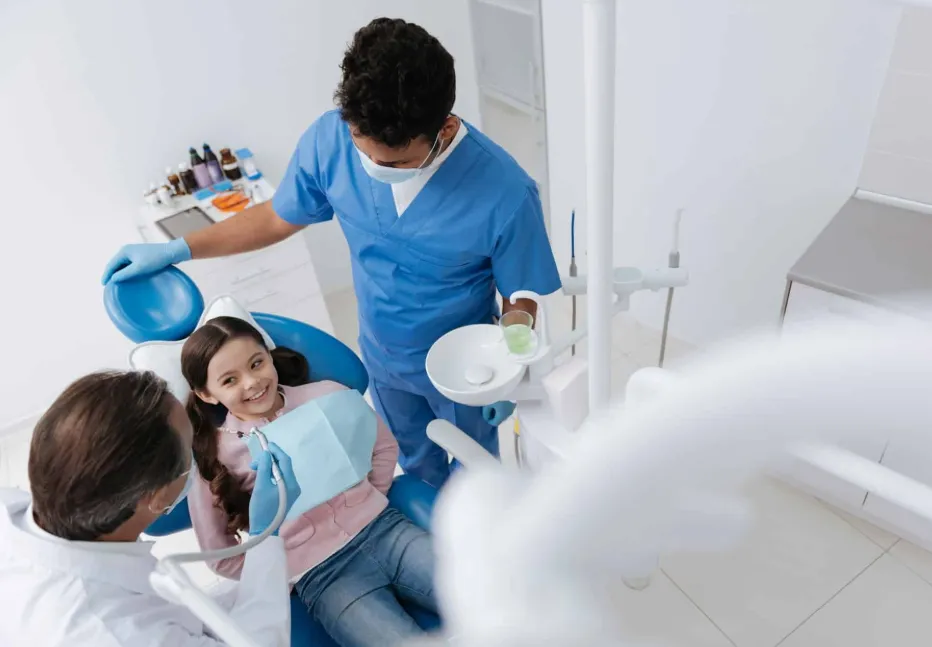
Caring for your child’s teeth should feel comforting. family dentistry in Allen Park makes this possible. You want your child to see dental visits as normal and even fun. Positive reinforcement plays a crucial role. Dentists use it to help children feel brave and valued. This builds trust and reduces fear over time. Your child’s dentist might use small rewards or praise. This encouragement leads to better cooperation from your child. Gradually, your child learns that dental care is part of staying healthy. This attitude often continues into adulthood. Choosing the right family dentist can make all the difference. They understand how to nurture a child’s comfort and confidence. Your child’s healthy smile is important. Emphasizing positive reinforcement in dental care helps ensure it. This approach fosters a lifelong positive attitude towards dental health. You can support this at home through praise and small rewards for good dental habits.
Understanding Positive Reinforcement in Dentistry
Positive reinforcement is simply using praise or rewards to encourage desired behaviors. In dentistry, it means praising children for good behavior during visits or giving small rewards for bravery. This approach is effective because children learn more from positive experiences. They feel proud and more willing to cooperate. Dentists use this method to help children succeed in maintaining their dental health.
Benefits of Positive Reinforcement
- Reduced Fear: Children associate the dentist with positive experiences.
- Improved Cooperation: Positive reinforcement encourages good behavior.
- Long-term Habits: Establishing a positive view of dental care leads to better health in adulthood.
Comparison of Positive versus Negative Reinforcement
Understanding the difference between positive and negative reinforcement is crucial. Here’s a simple table to illustrate:
| Positive Reinforcement | Negative Reinforcement |
|---|---|
| Rewards for good behavior | Removal of privileges for bad behavior |
| Builds confidence and trust | May increase fear and anxiety |
| Encourages ongoing cooperation | Can lead to resistance or rebellion |
The Role of Parents in Reinforcing Positive Dental Habits
Parents play a key role in reinforcing positive dental habits. At home, encourage good brushing habits with praise. Make this activity fun and rewarding. Use a reward chart for daily brushing or flossing. This reinforces that taking care of teeth is important. Set a good example by demonstrating your dental care routine. Children learn by watching you. If they see you valuing dental health, they are more likely to do the same.
Choosing the Right Family Dentist
Choosing a family dentist involves finding someone who values your child’s comfort. Look for dentists who prioritize positive reinforcement. They should have a welcoming environment. Talk to your dentist about their approach to handling children. A good family dentist knows how to encourage and support your child effectively. This ensures your child feels valued and understood.
For more information, consider resources such as the American Dental Association where you can find useful tips on choosing dental professionals.
Conclusion
Family dentistry in Allen Park plays a significant role in promoting positive reinforcement for children. This method creates an understanding and comforting environment. Dental visits become positive experiences, reducing fear and anxiety. Positive reinforcement encourages lifelong healthy dental habits. It also fosters a trusting relationship between your child and the dentist. As a parent, you too can support this by encouraging and praising good dental practices at home. Together, dentists and parents can help children embrace dental health with confidence and joy.