

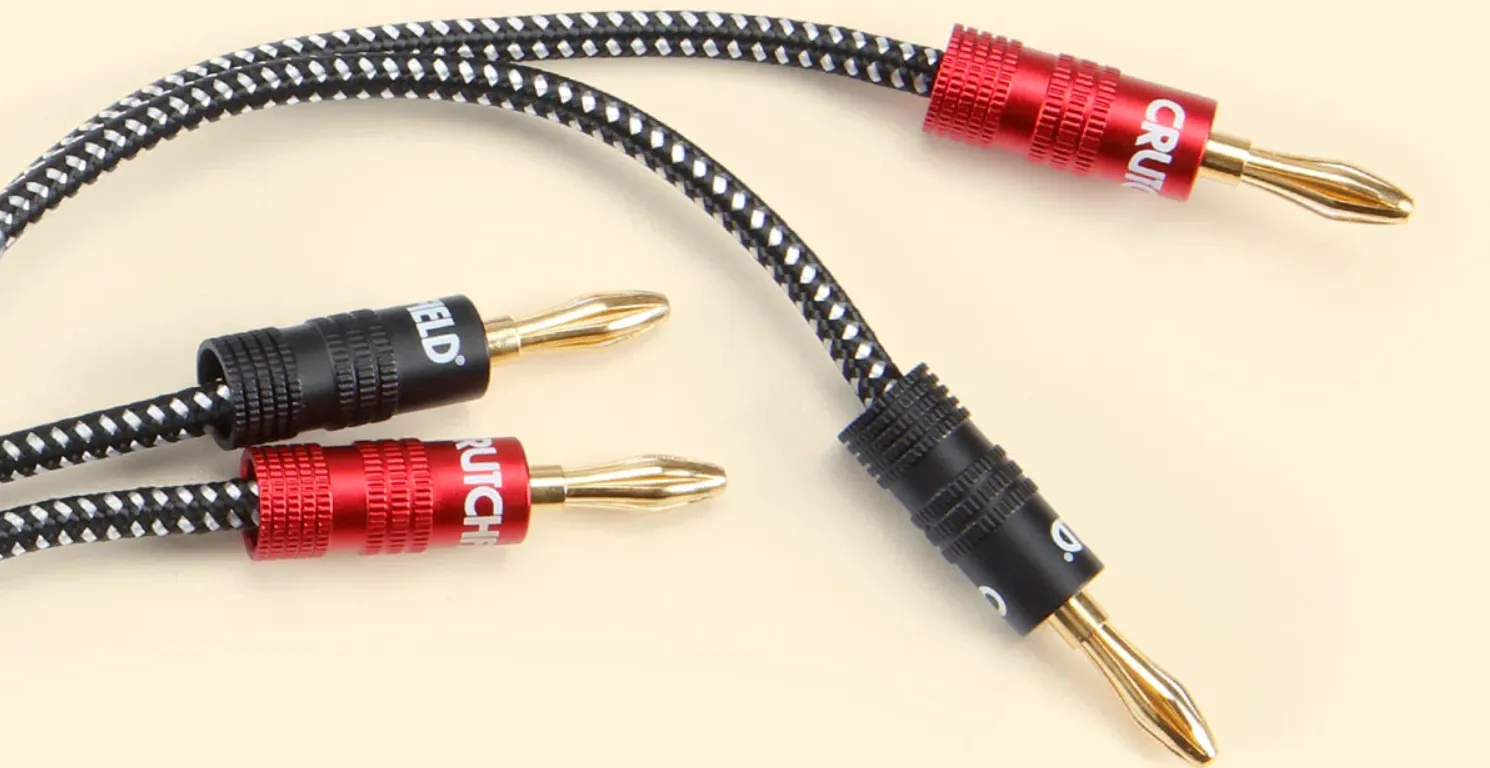
Choosing speaker cables for amplifiers and speakers may significantly improve sound quality. In this guide, we will look at the most critical steps in achieving the best music possible and why it is important to remember these pointers as a simple guideline for the experienced lovers and newcomers to this art.
Choosing the best speaker cables you can afford for excellent sound is essential. Speaker cables connect amplifiers to speakers and carry the electrical signals that make noise. Choosing wisely for cable compatibility can improve listening at home or in the studio.
Importance of Cable Selection
Selecting the correct cables means more than simply plugging in parts. The right cables can enhance or diminish audio quality, positively impacting sound transparency and performance. The variations are minute, but the result can be drastic regarding audio quality. Audiophiles often experiment with different speaker cables to achieve the most transparent sound possible.
Material Matters
The material from which a cable is made can significantly affect its conductivity and resistance. Copper is favored for its warmth; it has excellent wiring conductivity and is cheaper. While silver offers even higher conductivity, it is also considerably pricier. Others are a mix, aimed at a balance between price and performance.
Gauge and Resistance
A cable’s thickness (or gauge) affects its resistance, affecting the sound quality. Thicker cables provide lower resistance and are thus preferable for longer distances. However, a thinner cable could be used, at least for short distances, without affecting sound. Selecting the appropriate gauge ensures the signal travels effectively through the wire while minimizing energy loss.
Compatibility With Amplifiers
It is essential to understand how cables work with amplifiers. The amplifier should be matched for power and impedance to the cable. Discrepancies can result in poor functioning or worse, destruction.
Impedance Matching
Impedance is something similar to resistance in an electrical circuit. A speaker/amplifier impedance that matches the cable can prevent distortion and ensure high-fidelity sound quality. Most speaker cables are made for standard impedance; you should check the specs.
Power Handling
The cables should be capable of carrying the amp’s output power without excessive heat. To avoid problems, verify the amp and cable’s power ratings. If a cable cannot handle enough power, it may become a weak point in the audio chain.
Pairing With Speakers and Sensitivity
The type of speakers can affect how/why you choose your cables—factors such as sensitivity and frequency response influence which cables are the most appropriate.
The sensitivity of a speaker reflects how effectively they can transform power into sound. Loudspeakers of higher sensitivity will draw less power, giving you more leeway in cable choice. Less sensitive speakers may require a lower resistance cable to maximize their output.
Frequency Response and Installation Tips
Different frequencies’ send/receive ability affects the performance range of speakers. When chords help to play, the speaker level is normal; there is no distortion. It allows the speaker to deliver the entire frequency range accurately. It should be installed properly to avoid signal loss and interference. Cable setup can be tricky, and here are some pointers to remember.
Minimize Interference
It is best to run speaker cables a distance away from power cords and other potential sources of interference. Good connectors and tight connections eliminate most of that noise.
Avoiding Excess Length
Long cables can add resistance and bad sound, so don’t go to the extreme. More than that, measure the short length properly and leave no extra slack. The shorter the cables, the cleaner the signal.
Maintenance and Care
Proper speaker cable maintenance is essential for the long run. Inspections and cleaning will help prevent problems and increase the cables’ longevity.
Regular Inspection
Visually inspect for kinks or frays before they affect performance. Dealing with minor problems can often prevent major headaches down the asphalt road.
Cleaning Connectors
Connections are subject to dust and oxidation over time. Using the right solution helps ensure a proper connection and sound. Periodic servicing maintains the audio system in top working condition.
Conclusion
Cable construction (material, gauge), impedance, and power handling are considered to match speaker cables with amplifiers and speakers, among other things. Considering these points would lead the users to a reliable audio system that gives excellent output. Correct installation and maintenance take sound quality to another level, making music enjoyable for many years.