

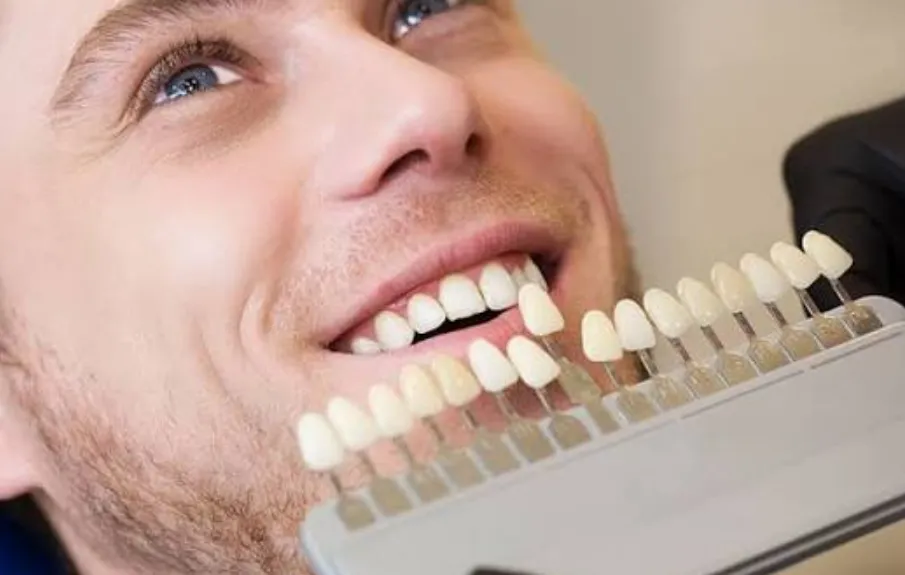
You might be looking in the mirror and thinking, “I finally love my smile, so how do I keep it this way?” Maybe you have new veneers, whitening, bonding, or aligners, and there is a quiet worry in the back of your mind. You invested time and money, you went through appointments and touch ups, and now you are afraid that one wrong move at home could undo it. That’s why finding a Fountain Valley dentist for the whole family can give you peace of mind and long-term support for your smile.
If that sounds familiar, you are not alone. Many people feel a mix of excitement and anxiety after cosmetic dental treatment. You want to show your smile to the world, yet you also feel the pressure of protecting it. Because of this tension, it can be hard to know what actually matters day to day, and what is just noise.
The short version is this. You can protect your cosmetic results for many years with consistent home care, smart daily choices, and regular support from your family and cosmetic dentist. You do not need a complicated routine. You just need a thoughtful one.
Why does a “perfect” smile still feel fragile after treatment?
Think about what you went through to get here. Maybe your teeth were chipped or stained. Maybe you were embarrassed to smile in photos. Then you decided to move forward with cosmetic care, and now your teeth finally look the way you always hoped they would. That is the “after” you worked for.
Yet the reality is that cosmetic work does not make teeth invincible. Porcelain can chip. Composite bonding can stain. Whitening can fade. Even natural enamel can wear away if exposed to acid or grinding. So you might find yourself asking, “Did I just buy something I am going to lose?”
That question can create real stress. There is the emotional weight of possibly going back to your “before” smile. There is the financial worry of needing repairs. There is also confusion, because different people give different advice. One person says you can never drink coffee again. Another says it is fine as long as you use a straw. So where does that leave you?
It helps to know what actually threatens your cosmetic dentistry results at home. Most problems fall into a few categories.
- Staining from coffee, tea, red wine, tobacco, and deeply colored foods.
- Wear and tear from grinding, clenching, or using teeth as tools.
- Acid damage from sodas, sports drinks, citrus, and reflux, which can lead to dental erosion.
- Plaque buildup from rushed or irregular brushing and flossing.
When you look at it that way, the problem becomes clearer. Most of the risks are daily habits, not dramatic accidents. That is actually good news, because daily habits are something you can change.
What makes maintaining cosmetic results at home so challenging?
There is a gap between what people are told in the dental chair and what feels realistic at home. You may leave your cosmetic appointment with a long list of instructions and a bag of products, then life happens. You are tired at night. You forget a step. You are at a restaurant and do not have your special straw or your custom mouthwash. It is easy to feel like you are failing your new smile.
Consider a few common “what if” situations.
- You whiten your teeth, love the result, then slowly notice stains returning because your workday runs on coffee.
- You invest in veneers, but you grind your teeth at night. You skip wearing your night guard a few times a week because it feels annoying, and a small chip appears a year later.
- You have bonding on your front teeth, and you are careful for a while, then you start chewing ice again while you scroll your phone, and the edge of a tooth breaks.
None of these situations mean you made a bad choice by improving your smile. They simply show how easy it is to slide back into old habits, especially when stress is high or life is busy. The solution is not perfection. It is building a simple, sustainable routine that respects your cosmetic work without taking over your life.
Home care vs “winging it” for cosmetic dentistry: what really matters?
To make this more concrete, it helps to compare a thoughtful home routine with a more casual approach. This is where many people see why their results faded faster than they hoped.
| Approach | Typical Habits | Likely Impact on Cosmetic Results |
|---|---|---|
| Intentional home care after cosmetic treatment | Brush twice daily with a soft brush and non abrasive fluoride toothpasteDaily flossing or interdental cleaningNight guard use if you grind or clenchModeration with staining and acidic foods and drinksRegular professional cleanings and touch ups as advised | Whitening results last longer between touch upsVeneers and bonding stay smoother and less stainedLower risk of chips or fracturesHealthier gums that support cosmetic work |
| “Winging it” after cosmetic treatment | Irregular brushing and flossingFrequent sipping of coffee, soda, or sports drinks through the dayNo night guard despite known grindingUsing teeth to open packages or chew hard objects like iceSkipping checkups and cleanings | Faster staining and yellowing after whiteningRough, worn edges on veneers or bondingIncreased risk of sensitivity and cavities around cosmetic workPossible need for earlier replacement or repair |
Research supports this. Consistent home oral care, like the routines described by the American Dental Association in their guidance on home oral care, reduces plaque, protects enamel, and helps cosmetic work last longer. Whitening results also depend heavily on your habits, as shown in ADA information on tooth whitening.
So how do you translate this into simple steps you can actually follow for your cosmetic smile maintenance at home?
5 tips for maintaining cosmetic dentistry results at home
Here are five practical, manageable ways to protect your investment and keep your smile bright.
1. Treat daily brushing and flossing as non negotiable
This sounds basic, yet it is the foundation of everything. Twice a day, use a soft bristle brush and a fluoride toothpaste that is not overly abrasive. Gentle pressure is enough. Scrubbing hard does not make teeth cleaner. It only wears enamel and can irritate the edges of veneers or bonding.
Floss or use another interdental cleaner once a day. Think of this as protecting the “hidden” parts of your cosmetic work. Plaque and stain love to hide between teeth. When you keep these areas clean, your whitening and restorations stay brighter and your gums stay healthier.
2. Be smart, not scared, about what you eat and drink
You do not need a perfect diet to protect your smile. You do need awareness and small adjustments. If you love coffee, tea, or red wine, try to drink them in a shorter window instead of sipping all day. Rinse with water afterward. Use a straw with cold drinks when you can. This reduces contact with the front teeth and helps your cosmetic dental results last longer.
For acidic drinks like soda and sports drinks, the same idea applies. Keep them occasional. Avoid brushing immediately after something very acidic, because enamel is softer for a short time. Rinse with water first, then wait a bit before brushing.
Hard foods and habits matter too. Avoid chewing ice, biting pens, or opening packages with your teeth. These small choices can be the difference between a veneer that lasts many years and one that chips early.
3. Protect your teeth from grinding and clenching
Many people grind or clench, especially at night or during stress. This can wear down natural enamel and put a lot of pressure on veneers, crowns, and bonding. If your family and cosmetic dentist recommended a night guard, treating it as optional puts your cosmetic work at risk.
Try to see the night guard as a protective shield, not a burden. Even if it takes time to get used to, wearing it most nights can significantly reduce chips, cracks, and sensitivity. If you suspect you grind but have never been evaluated, bring it up at your next appointment. Protecting your bite is a key part of long term cosmetic dentistry success.
4. Plan for gentle whitening touch ups, not constant bleaching
If you have whitened your teeth, some fading over time is normal. The goal is not to chase a “day one” shade forever with constant bleaching. That can lead to sensitivity and irritation.
Instead, work with your dentist on a safe touch up schedule. This might mean using custom trays a few times a year, or a short booster after a period of extra staining. At home, focus on stain prevention and good hygiene, so you need fewer touch ups and still feel confident in your smile.
5. Keep regular checkups and cleanings on your calendar
Home care is powerful, yet it works best when paired with professional support. Your dentist can spot early wear on veneers, tiny chips in bonding, or gum changes around cosmetic work long before you feel a problem. Small adjustments are usually far easier and less expensive than major repairs.
Professional cleanings also remove hardened deposits and deep stains that brushing cannot reach. This helps your smile look brighter and your restorations last longer. Even if your teeth look fine to you, staying consistent with recall visits is one of the strongest ways to protect your results.
Where does this leave you today?
If you are staring at your reflection and worrying that your new smile might not last, take a breath. You do not need to be perfect. You just need to be intentional. A few steady habits at home, combined with guidance from your family and cosmetic dentist, can keep your results looking beautiful for many years.
You spent time and care creating a smile you feel proud of. You are allowed to protect it without feeling overwhelmed. Start with the basics. Gentle daily cleaning. Thoughtful choices about what touches your teeth. Protection from grinding. Reasonable whitening touch ups. Regular visits. From there, your confidence can grow along with your smile.