

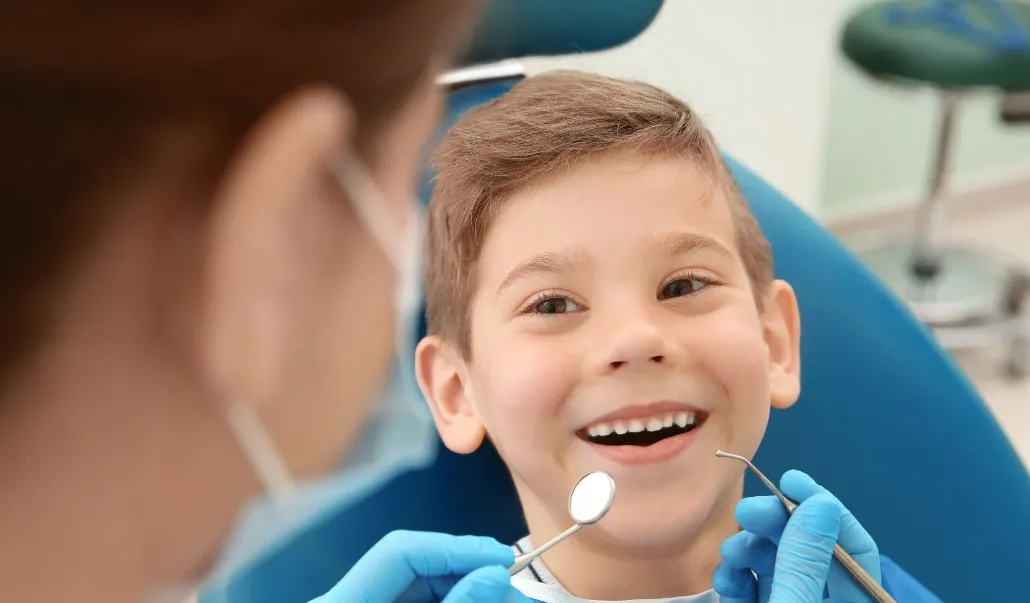
You might be feeling a mix of worry and guilt every time you see your child chew on a sugary snack or resist brushing before bed. Maybe you have wondered if those baby teeth really matter, or if you are already behind on checkups and fluoride. By partnering with a pediatric dentist Pharr, TX, you can get personalized guidance and support. It is easy to feel judged by online advice, relatives, and even other parents, and you might be quietly asking yourself, “Am I doing enough to protect my child’s smile?”end
That is the before. The after looks very different. You have a trusted family dentist who knows your child by name, understands your worries, and gives you clear, calm guidance instead of scare tactics. You feel confident about when to schedule visits, how to handle brushing battles, and what to do about sugar and snacks. You are not guessing anymore. You have a plan.
In simple terms, why parents trust family dentists for early oral health guidance comes down to this. You want someone who understands children, understands families, and can turn confusing dental rules into practical daily habits. A family dentist becomes a partner who helps you prevent problems early rather than fix emergencies later, which saves you stress, money, and a lot of “I wish I had known sooner.”
Why does early oral health feel so stressful for parents?
It often starts with something small. A dark spot on a baby tooth. A complaint about “tooth hurting.” A report from school that your child is snacking all day. In that moment, your mind can jump to worst case scenarios. Cavities, pain, costly treatments, and the fear that you somehow failed your child.
The emotional pressure is real. You are trying to follow advice about brushing twice a day, limiting sugary drinks, and seeing a dentist regularly, yet life is busy and kids are unpredictable. You might have a toddler who clamps their mouth shut at the sight of a toothbrush. Or an older child who insists they already brushed when you know they did not.
The financial worry is there too. You may have heard stories about children needing fillings or crowns, and you know dental work can be expensive. You might wonder if skipping that first or second checkup really matters or if you can “wait until the adult teeth come in.” The problem is that tooth decay does not wait, and it can start earlier than most parents realize.
According to public health guidance, tooth decay is one of the most common chronic conditions in children, yet it is also highly preventable. Simple habits like brushing with fluoride toothpaste, limiting sugary snacks, and regular checkups can dramatically reduce risk. You can find clear, parent focused tips in these children’s oral health prevention guidelines, but turning those tips into daily routines is often easier with support.
So, where does that leave you when you are doing your best and still feel unsure?
How does a family dentist change the picture for your child’s smile?
This is where a trusted family dental care partner can make a big difference. A family dentist is trained to care for all ages, from toddlers to grandparents. That means they understand how a toddler’s first visit can shape their attitude toward dental care for years, and they also understand how your own dental history and habits influence your child.
Think of a family dentist as your guide, not just your child’s treatment provider. Instead of focusing only on what is wrong, they focus on what can be prevented. They monitor how your child’s teeth are growing, check for early signs of decay, and help you adjust habits at home long before a cavity turns into pain.
For example, tooth decay develops through a process. Plaque bacteria feed on sugars, produce acids, and slowly break down the outer layer of the tooth. If this cycle repeats day after day without enough protection from fluoride and good brushing, small weak spots can turn into full cavities. If you are curious, you can read more about the tooth decay process, yet a family dentist will translate that science into simple actions like “brush with this amount of toothpaste” or “offer water instead of juice between meals.”
Because of this support, parents often feel less alone. Instead of piecing together advice from random sources, you have one consistent voice who knows your child’s mouth, growth patterns, and temperament. That is why so many parents lean on a trusted family dentist for early oral health guidance rather than trying to figure out everything on their own.
Is professional guidance really better than “wait and see” or DIY?
You might wonder whether you truly need a dentist this early. After all, there are toothbrush charts, apps, and countless parenting forums. Is professional family dentist care really that different from simply brushing at home and waiting until something hurts?
It helps to look at it as a comparison of approaches. One is reactive, waiting for problems. The other is proactive, focusing on early, gentle prevention.
| Approach | What it looks like in daily life | Short term impact | Long term impact |
|---|---|---|---|
| DIY and “wait and see” | Brushing when you remember, using online tips, seeing a dentist only when there is pain | Less structure and fewer appointments, but constant background worry about missing something | Higher risk of cavities, emergency visits, and more costly treatments later |
| Guided care with a family dentist | Regular checkups, personalized brushing and diet advice, early monitoring of growth | More confidence, fewer surprises, and a child who slowly gets used to the dental setting | Lower risk of decay, better habits, and smoother care when adult teeth appear |
| Emergency only care | No dentist until there is visible decay or severe pain | Stressful visits, urgent decisions, and often higher immediate costs | Children may develop fear of the dentist and associate care only with pain |
Real life often lands somewhere between these, yet the pattern is clear. The more support and structure you have from a consistent family dentist, the less likely you are to be blindsided by preventable problems. You are not just protecting teeth. You are shaping your child’s comfort with healthcare, their daily habits, and their sense that their body deserves care, not just crisis fixes.
What can you do right now to protect your child’s smile?
1. Schedule a “no pressure” checkup early
If your child has not seen a dentist yet, or if it has been a while, start with a simple, low stress visit. The goal for that first appointment is not a long procedure. The goal is to meet the team, get a gentle exam, and give your child a chance to see that the dental chair is not a scary place. Share your worries openly. A good family dentist will listen first, then guide.
2. Create a small, realistic home routine
You do not need a perfect routine. You need a repeatable one. Aim for brushing twice a day with a fluoride toothpaste, even if you start with just 30 focused seconds and slowly build up. For younger children, you finish the brushing yourself. For older kids, you can brush together so they see you doing the same thing. Pair brushing with something you already do every day, like bedtime stories or a morning song, so it feels natural instead of like one more chore.
3. Make one simple change to snacks and drinks
Instead of trying to overhaul your child’s entire diet, focus on one change that protects their teeth. For many families, this means replacing constant sipping on juice or sweet drinks with water between meals, or limiting sticky, sugary snacks to mealtimes. A family dentist can help you choose the most impactful change based on your child’s current habits, so you see real benefit without feeling overwhelmed.
Where do you go from here?
If you are feeling behind, you are not alone, and you are not too late. Early guidance from a trusted family dentist is less about perfection and more about steady, simple steps that fit your real life. You deserve clear answers, not judgment. Your child deserves a calm, preventive approach, not repeated emergencies.
The most important thing is to start. One appointment. One small routine at home. One change to snacks. Over time, these choices add up to fewer cavities, less anxiety, and a child who grows up believing that caring for their smile is normal and manageable.
Your next step is simple. Reach out to a local family dentist, ask for an early oral health evaluation for your child, and tell them you want guidance, not just treatment. You do not have to carry the worry on your own. You can share it with someone whose daily work is to protect growing smiles and support parents just like you.