

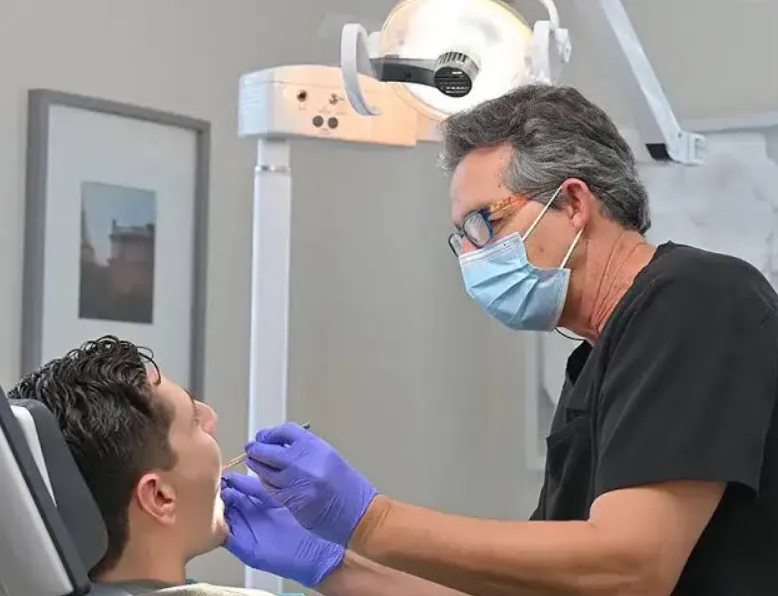
You might be feeling a little stuck right now. You want a brighter, more confident smile, yet every time you think about whitening, veneers, or even dental implants in Newburgh, NY, something holds you back. Maybe you worry your teeth are not “healthy enough” yet. Maybe your gums bleed when you brush, or you have a nagging tooth that hurts when you drink something cold. So you start to wonder if chasing a cosmetic smile makeover is even realistic.end
This tension is very common. You can picture the “after” smile you want for photos, work, or simply feeling good in your own skin. At the same time, you sense that if the basic health of your mouth is not stable, any cosmetic work might not last or might even cause more problems.
The short version is this. General dentistry lays the groundwork that makes cosmetic dentistry safe, predictable, and long lasting. When your teeth and gums are healthy, cosmetic treatments usually look better, feel better, and require less repair over time. When they are not, cosmetic enhancements can crack, stain, or fail far sooner than they should.
So where does that leave you? It means the smartest path to a beautiful smile almost always starts with a strong foundation through a trusted general dentist. From there, whitening, bonding, or veneers become finishing touches, not a fragile cover-up.
Why a “quick fix” smile can backfire without general dental care
Think about what happens if you build a beautiful house on soft, unstable ground. For a while it might look fine. Then the walls crack, doors stop closing, and you end up paying far more to fix what could have been prevented.
The same thing can happen when someone skips basic care and jumps straight to cosmetic dentistry. If there is untreated decay under a tooth that gets a veneer, that tooth can keep breaking down. If gums are inflamed, cosmetic edges can look uneven or “bulky” as the tissue changes shape. If your bite is off, even the most carefully designed cosmetic work can chip.
Because of this, a skilled general dentist will usually slow things down just enough to protect you. They will check for cavities, gum disease, bite problems, and habits like grinding or clenching. It is not to talk you out of a nicer smile. It is to make sure you do not invest time and money into something that cannot hold up.
There is another layer too. Poor oral health is not only about looks. According to the Centers for Disease Control and Prevention, oral health is closely linked with overall health, including conditions like diabetes and heart disease, which shows why basic dental care matters far beyond cosmetics. You can read more about that connection on the CDC’s page about oral health and general health.
How general dentistry quietly prepares you for cosmetic upgrades
So what does this foundation actually look like in daily life? It is not just “getting a cleaning.” It is a series of thoughtful steps that make future cosmetic work safer and more predictable.
First, a general dentist looks at the health of your gums. If there is gum disease, they address that early. Healthy gums are what frame your teeth. When they are firm and not inflamed, cosmetic options like bonding or veneers sit more evenly and look more natural.
Second, they deal with decay and structural problems. Cavities are repaired. Old, leaking fillings are updated. Cracked teeth are protected. This kind of care is sometimes called restorative dentistry, and it is a crucial part of creating a strong base for any cosmetic enhancement.
Third, they review your home care. Simple habits like brushing twice a day with fluoride toothpaste and cleaning between your teeth can dramatically change how long your cosmetic work lasts. The National Institute of Dental and Craniofacial Research explains basic oral hygiene steps that support better long term outcomes in its guide to oral hygiene and daily care.
Finally, they talk with you about your goals. Do you want whiter teeth, a straighter look, or fixing one or two teeth that bother you the most? This is where foundational general dentistry for cosmetic improvements and your personal vision start to meet. A good dentist will help you create a step by step plan, often starting with the simplest, healthiest moves first.
Is professional cosmetic work really that different from DIY options?
You might wonder why you cannot just use store bought whitening strips or social media “hacks” to get the look you want. After all, they are easy to grab and seem less expensive at first glance.
The difference between that approach and working with a general dentist who understands cosmetic planning is not only about strength of materials. It is about safety, accuracy, and timing.
To make this clearer, here is a comparison of common “shortcut” approaches and a professionally guided path through general and cosmetic dental care.
| Approach | Short Term Appeal | Hidden Risks | Long Term Outcome |
|---|---|---|---|
| DIY whitening products | Low cost, easy to buy, no appointment needed | Can irritate gums, uneven results, may not work on dental work, can mask underlying problems | Often leads to repeated use with limited improvement, possible sensitivity |
| Skipping exams and only fixing emergencies | Less time in the chair, feels cheaper in the moment | Small problems become big, painful issues, surprises when you finally seek cosmetic care | Higher costs over time, fewer cosmetic options available later |
| General dentist led plan before cosmetic treatment | Requires some appointments and planning | Upfront costs and time can feel like a hurdle | Healthier mouth, more predictable cosmetic results, better comfort and durability |
Professional whitening is a good example. The American Dental Association highlights that dentist supervised whitening can reduce risks like gum irritation and uneven color while improving predictability. You can learn more from their overview of tooth whitening options and safety.
When you step back, you can see the pattern. A strong relationship with a general dentist and a focus on health first often leads to better cosmetic results with fewer surprises.
Three practical steps to move toward a healthier, more confident smile
So what can you do right now if you want cosmetic changes, yet you are not sure your mouth is ready? Here are three concrete moves that protect your health and move you closer to the smile you want.
1. Schedule a “foundation first” checkup and be honest about your goals
At your next visit, tell your dentist that you are interested in cosmetic improvements but want to be sure your mouth is healthy enough first. Ask for a clear explanation of what needs to be addressed before whitening, bonding, or veneers. Request a simple written plan that separates “health first” steps from optional cosmetic steps. This helps you prioritize and budget, and it gives you a roadmap instead of a vague idea.
2. Strengthen your daily home care routine for the next 30 days
For one month, commit to brushing twice a day with fluoride toothpaste, cleaning between your teeth once a day, and limiting frequent snacking on sugary drinks or foods. This alone can reduce inflammation and improve how your gums look and feel. Many people are surprised how much better their smile appears just from consistent care, which then makes any future cosmetic work look even cleaner and more natural.
3. Start with the smallest, healthiest cosmetic step
Instead of planning a full makeover at once, talk with your dentist about the most conservative cosmetic option that fits your situation. For some, this might be professional whitening once any active decay is treated. For others, it might be smoothing or bonding one chipped tooth that really bothers you. Starting small lets you test comfort, see results, and adjust the plan without overwhelming your budget or your mouth.
Bringing health and beauty together through general dental care
You do not have to choose between a healthy mouth and a beautiful smile. A thoughtful general dentist uses routine exams, cleanings, and restorative care to create a base where cosmetic work can truly shine. When that foundation is in place, whitening looks brighter, veneers last longer, and you feel more relaxed about the money and time you invest.
If you feel embarrassed, behind, or unsure where to start, you are not alone. Many people carry those same worries into their first appointment. What matters most is the next step. By focusing on health first, then adding cosmetic enhancements, you give yourself the best chance at a smile that looks good, feels good, and stays that way.
You deserve a plan that respects both your health and your confidence. Reach out to a trusted general dentistry provider for cosmetic planning, share your goals openly, and begin building a foundation that supports the smile you have been imagining for a long time.