

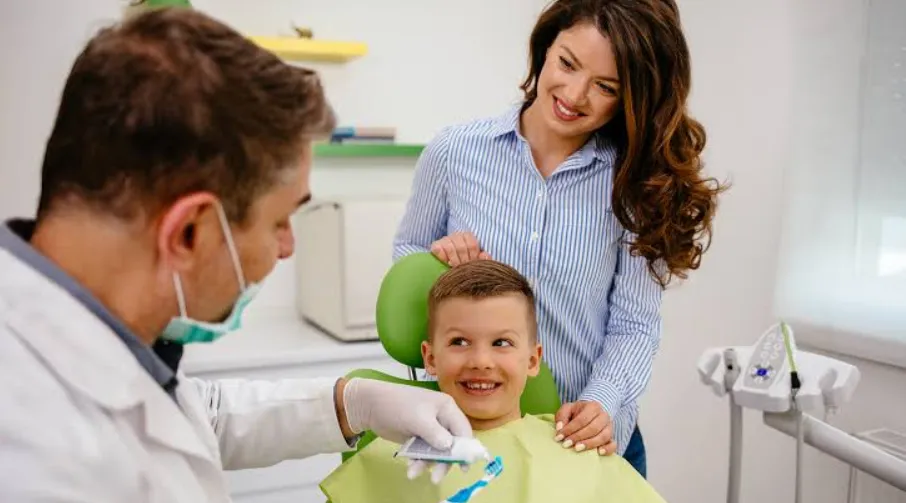
You might be feeling a quiet worry every time your child says their tooth hurts, or when you notice another snack going into their mouth before you have had a chance to remind them to brush. You want to protect their smile, yet the advice comes from everywhere, and it is hard to know what actually matters day to day. Smithfield pediatric dental care can help you focus on the habits and checkups that make the biggest difference.
There is a clear “before” and “after” here. Before, you trusted that a quick brush at night and a dental visit now and then would be enough. After a scare with a cavity, an anxious dental visit, or a big bill you were not expecting, you may find yourself wondering what more you could be doing. That tension is real, and it is completely understandable.
The good news is that most childhood dental problems are preventable when you focus on a few simple habits. General dentists tend to repeat the same core advice for a reason. These strategies work. In short, if you can build consistent brushing and flossing, smart use of fluoride, thoughtful eating routines, and regular checkups, you can dramatically lower your child’s risk of decay and painful emergencies.
So where does that leave you as a parent who is already stretched thin and does not want one more complicated routine to manage?
Why do kids get cavities even when they brush?
It can feel confusing when your child brushes “most of the time,” yet the dentist still finds cavities. You might think, “We are trying. What are we missing?” That question carries a mix of guilt and frustration, and it deserves a clear answer, not blame.
The problem is that tooth decay is not caused by one thing. It is caused by a combination of plaque, sugar, time, and sometimes weak spots in the enamel. If brushing is rushed, done only once a day, or misses the gumline and back teeth, plaque stays behind. If your child sips juice, sports drinks, or sweetened milk throughout the day, their teeth are bathed in sugar for hours. Even “healthy” snacks like crackers and gummy vitamins can stick to teeth and feed the bacteria that cause decay.
Imagine two children. One brushes quickly once a day but snacks on crackers and fruit gummies throughout the afternoon. The other brushes morning and night with a fluoride toothpaste, drinks mostly water, and eats sweets with meals. They might look similar from the outside, yet their risk for cavities is very different. This is why general dentists focus so much on daily patterns, not just on what happens in the dental chair.
Because of this, you might worry about money too. A filling here, a crown there, maybe a baby tooth that needs to be pulled. Costs add up, and you may fear the next visit will bring another surprise. Prevention is not just about comfort. It is also about avoiding those financial shocks by stopping problems before they grow.
So what are the core preventive dental strategies for children that general dentists wish every parent knew?
What are the 5 preventive strategies general dentists recommend for kids?
Most general dentists will come back to the same five protective habits. They are simple in theory, but they matter most when they become consistent parts of your child’s life.
1. Daily brushing with fluoride toothpaste
Brushing twice a day with a fluoride toothpaste is still the foundation. For young children, you handle the brushing. For older kids, you supervise. Focus on gently brushing along the gumline and back molars where cavities love to start. The Centers for Disease Control and Prevention offers practical oral health tips for children that can help you fine tune your routine.
2. Smart flossing habits, even for kids
Once teeth touch, brushing alone is not enough. Flossing removes plaque between teeth where toothbrush bristles cannot reach. Many parents find floss picks easier for small hands. Think of it as a quick “between teeth clean” at least once a day, often best at night when there is no more eating afterward.
3. Thoughtful use of fluoride
Fluoride strengthens tooth enamel and makes it more resistant to decay. It is found in many toothpastes and in some community water supplies. Your dentist may also suggest fluoride varnish treatments for children at higher risk of cavities. If you are unsure how fluoride works or feel nervous about it, the CDC offers clear information on how fluoride protects teeth.
4. Balanced, tooth friendly eating and drinking
Sugar frequency usually matters more than sugar amount. A small dessert eaten with a meal is less harmful than a sweet drink sipped over several hours. Try to keep sugary foods and drinks to mealtimes and offer water between meals. Sticky snacks like gummies, caramel, dried fruit, and some granola bars can cling to teeth and feed cavity causing bacteria for a long time.
5. Regular visits to a general dentist for checkups
Routine visits allow your family dentist to spot early signs of decay, apply sealants on deep grooves in molars, and reinforce good habits with your child. Children who see a general dentist regularly tend to have fewer emergency visits and less anxiety, because the dental office becomes familiar, not frightening.
If you have a baby or toddler, it may feel “too early” to think about teeth. Yet early guidance matters. The National Institute of Dental and Craniofacial Research has a helpful resource on keeping your baby’s mouth healthy that can give you a calm, step by step starting point.
How do everyday choices compare for your child’s teeth?
It can help to see how small daily decisions stack up over time. The table below compares two common patterns many families fall into. This is not about perfection. It is about noticing where tiny shifts can protect your child’s smile.
| Habit Area | Higher Cavity Risk Pattern | Lower Cavity Risk Pattern |
|---|---|---|
| Brushing | Once a day, rushed, child brushes alone from an early age | Twice a day for 2 minutes, parent helps or checks until about age 8 |
| Flossing | Only before dental visits or not at all | Once a day with floss or floss picks once teeth touch |
| Drinks | Frequent juice, soda, or flavored milk between meals | Water between meals, sweet drinks limited and with meals |
| Snacks | Sticky snacks like gummies and chips several times a day | Fewer snack times, more whole foods like cheese, nuts, and fresh fruit |
| Dentist Visits | Only when something hurts | Regular checkups every 6 to 12 months, with sealants and fluoride as advised |
As you look at this, you may recognize your own family in one column or see a mix of both. That is normal. Even shifting one or two habits closer to the “lower risk” side can make a real difference over the years.
What can you do this week to protect your child’s smile?
When you are busy, big changes feel impossible. Small, clear steps are easier to manage. You do not need to overhaul everything at once. Choose one or two actions that feel realistic and start there.
1. Make brushing and flossing non negotiable, not perfect
Pick two anchor times, usually after breakfast and before bed, and protect those as “tooth time.” For younger kids, you brush first, then let them “finish” so they feel involved. For older kids, set a simple timer for 2 minutes and check their teeth afterward in good light. Add flossing at night once teeth touch. Even if the technique is not perfect at first, the routine matters most.
2. Tidy up the snack and drink routine
Look at one day and count how many times something with sugar touches your child’s teeth. Then choose one change. Maybe it is switching from juice boxes to water between meals. Maybe it is moving sticky snacks to right after lunch instead of mid afternoon. One thoughtful change, done consistently, helps lower the constant acid attacks that wear down enamel.
3. Schedule or confirm the next checkup with a general dentist
If your child has not seen a general dentist in the last 6 to 12 months, call and book a preventive visit. Mention any concerns, like frequent snacking, bedtime bottles, or brushing battles. Dentists and hygienists are used to these struggles and can offer practical, child friendly tips, not judgment.
Moving forward with more confidence and less worry
You care about your child’s health, yet you may have felt alone trying to figure out what truly matters for their teeth. That feeling of “I should have known” after a cavity is common, but it does not define you as a parent.
By focusing on these five preventive strategies, you are already changing the story. You are shifting from reacting to problems to quietly, steadily protecting your child’s smile day after day. Over time, that means fewer surprises in the dental chair, less pain for your child, and more peace of mind for you.
You do not have to do everything perfectly. You just have to keep moving in the right direction, one small habit at a time.