

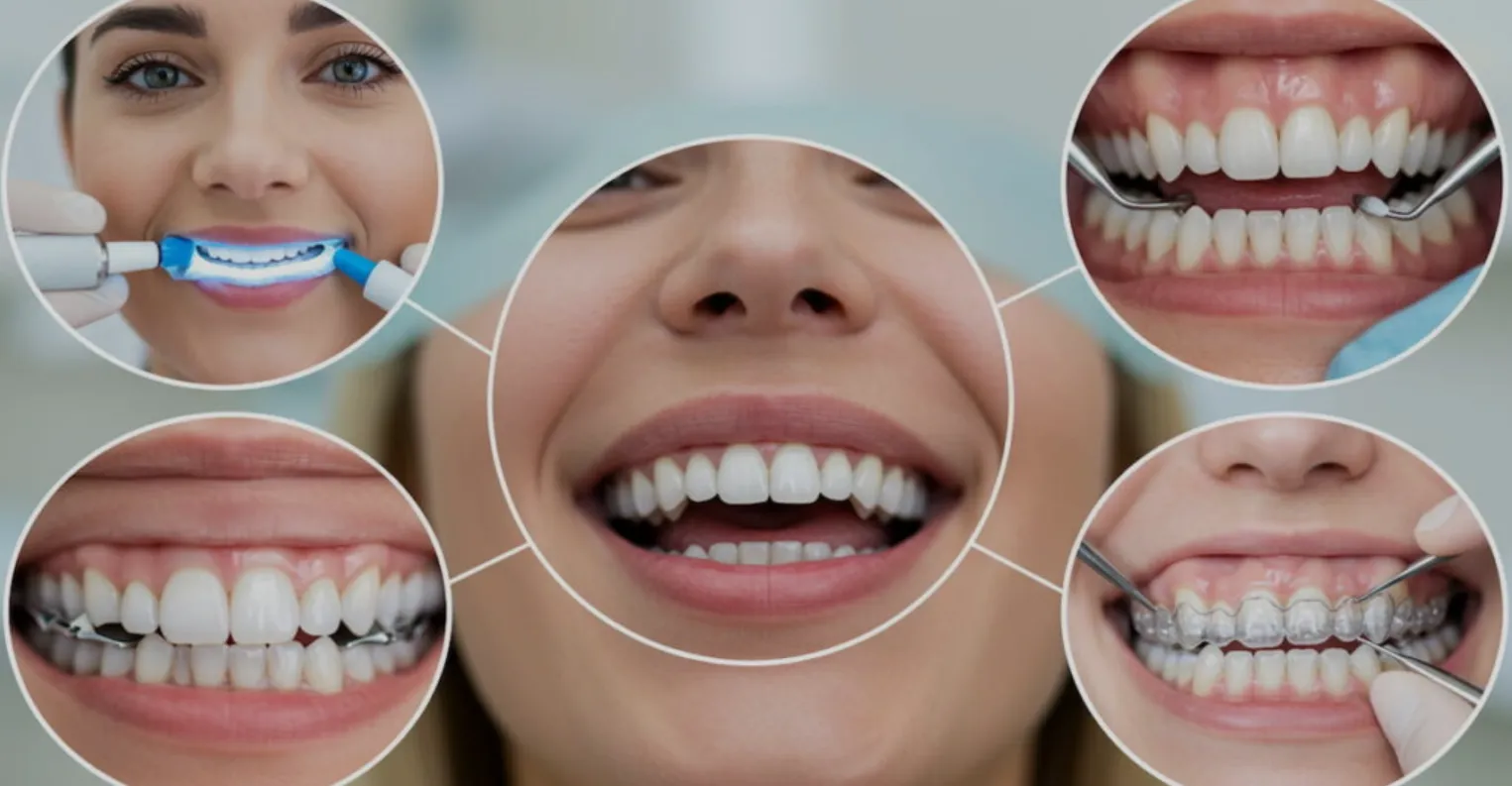
You might be feeling a little torn right now. Maybe your teenager is hiding their smile in photos, you are noticing stains or chips in your own teeth, and an older parent is quietly struggling with worn edges or gaps. You want everyone in your family to feel at ease when they smile, yet the idea of cosmetic dentistry with a dentist in Surprise, AZ can sound expensive, confusing, or even a bit vain.end
At the same time, you probably sense that this is not just about looks. When someone is embarrassed by their teeth, they speak less, laugh less, and sometimes even avoid social situations. That takes a quiet toll on confidence. The good news is that there are a few cosmetic dentistry options that work well across generations, and they are often simpler and more practical than people expect.
Here is the short version. Professional whitening can safely brighten smiles at many ages. Dental bonding can repair chips and close small gaps in a single visit. Porcelain veneers can reshape and refresh teeth when more change is needed. When these are planned with a thoughtful family and cosmetic dentist, they can support both appearance and long term oral health.
Why does cosmetic dentistry feel so overwhelming for families?
The stress usually starts with questions. You might wonder whether whitening is safe for your teen, whether your own worn or crooked teeth need braces or something else, or whether your parent is “too old” for cosmetic treatment. On top of that, you may worry about cost, time away from work or school, and whether any of this is really necessary.
Because of this tension, it is easy to do nothing. The teen keeps smiling with closed lips. You avoid being in pictures. Your parent stops ordering certain foods because biting feels awkward. No one complains loudly, yet everyone quietly adjusts their life around a problem that could actually be improved.
So where does that leave you? Usually in one of three places. Curious but hesitant to start a conversation. Confused by what you see online. Or frustrated after trying something at home that did not work as promised.
Is professional teeth whitening a safe choice for many ages?
Many families start by asking about whitening. Over time, coffee, tea, red wine, smoking, and even certain medications can stain enamel. Teens may have discoloration from braces. Parents may see yellowing that makes them look older than they feel. Grandparents may have deep stains from years of wear.
The problem is that over the counter whitening strips and pastes often give uneven results, cause sensitivity, or simply do not work well enough. People sometimes use them too often, hoping for a dramatic change, and end up with sore gums or blotchy color. That can be discouraging.
A family and cosmetic dentist can tailor whitening to each person’s needs. That might mean in office treatment for a quick, noticeable change, or custom trays at home for more gradual control. Professional systems are designed to be both effective and safe when used correctly. If you want a deeper explanation of how whitening works and who it suits, the American Dental Association has a helpful overview on tooth whitening options and safety.
For many families, whitening alone can lift confidence. Your teen smiles more freely at school events. You feel more comfortable in meetings and photos. An older parent may feel a bit more like themselves again. It is not vanity. It is about feeling aligned with the way you present yourself to the world.
How can bonding and veneers help with chips, gaps, and worn teeth?
Whitening cannot fix everything. If someone in your family has chipped edges, small gaps, or irregularly shaped teeth, you might worry they need braces or major work. In many cases, that is not necessary.
Dental bonding uses tooth colored resin to gently reshape a tooth. A dentist can fill in a chip, close a small space, or smooth out an uneven edge, often in a single visit, without numbing in many cases. For a college student who chipped a front tooth on the basketball court, or a parent who has one tooth that has always bothered them in photos, bonding can be a quiet yet powerful change.
Porcelain veneers are a step beyond bonding. They are thin shells that cover the front surface of the teeth. Veneers can change color, shape, and alignment in a controlled way. For someone with multiple concerns, such as staining that does not respond well to whitening, uneven spacing, and worn edges, veneers can create a more harmonious smile.
Families often ask whether veneers are “too much” or only for celebrities. In reality, when they are planned carefully, they can look very natural. The goal is not a fake, identical set of teeth. The goal is a healthy, confident smile that suits the person’s face and age. This is where working with an experienced family and cosmetic dentist truly matters.
What about protecting younger smiles while improving appearance?
There is another angle that often gets missed. Sometimes the most meaningful cosmetic decision for children or teens is actually preventive. Dental sealants are thin coatings placed on the chewing surfaces of back teeth. They are not “cosmetic” in the traditional sense, yet by helping prevent cavities they protect the natural look of the teeth for years to come.
Less decay over time means fewer fillings, less discoloration, and fewer visible restorations as your child grows up. That has a direct effect on how their smile looks in their teens and twenties. If you want to understand how sealants work and why they matter, the National Institute of Dental and Craniofacial Research explains them clearly in its guide on dental sealants for children and teens.
So while you are thinking about whitening or bonding, it can be wise to ask how to protect younger family members from future cosmetic problems. Prevention and aesthetics are often closely linked.
How do these cosmetic options compare for real families?
When you are trying to make decisions for people at different ages, it helps to see the big picture. The table below compares three cosmetic dentistry options for all ages that many families consider.
| Treatment | Best For | Longevity | Typical Time In Office | Relative Cost | Family Example |
|---|---|---|---|---|---|
| Professional Whitening | Stained or yellow teeth with healthy enamel | Several months to a few years, depending on habits | 1 to 2 visits or custom trays made in 1 visit | Lower | Parent who drinks coffee and wants a brighter smile for work photos |
| Dental Bonding | Small chips, minor gaps, slight shape issues | 3 to 10 years with good care | Often completed in a single visit | Moderate | Teen who chipped a front tooth and feels self conscious at school |
| Porcelain Veneers | Multiple concerns with color, shape, or alignment | 10 to 15 years or more when maintained | Usually 2 to 3 visits | Higher | Adult with worn, stained, and uneven front teeth seeking a long term solution |
These are general ranges, not promises. The right choice depends on oral health, habits, budget, and personal goals. A calm, honest conversation with a dentist who understands family needs can help you match each person with the option that fits them best.
What can you do right now to move from confusion to clarity?
It is easy to feel stuck at the stage of “thinking about it.” A few focused steps can bring a lot more clarity and control.
1. Make a simple list of each family member’s concerns
Write down what bothers each person about their smile, in their own words. “My teeth are yellow.” “This chip shows in every photo.” “I am afraid my teeth will break more.” This keeps the focus on real feelings, not just on what you think “should” be fixed. It also helps your dentist understand priorities if you cannot do everything at once.
2. Schedule a shared cosmetic and health check
Instead of separate, rushed visits, consider planning appointments close together so your dentist can see the whole picture. Ask for a conversation about both appearance and health. You might say, “We want to understand options that are safe, practical, and make sense for our family over time.” A good dentist will walk you through whitening, bonding, veneers, and preventive steps, and explain what fits each age group.
3. Plan in phases that respect your budget and energy
You do not need to fix everything at once. Many families start with the simplest, highest impact change, such as whitening for parents and bonding for a teen’s chipped tooth. Then they plan veneers or other work for a later season when time and budget allow. Ask your dentist to help you build a phased plan, so you know what comes now, what can wait, and what to watch for.
Moving toward a smile that fits your whole family
You are not wrong to care about how your family’s smiles look. You want your children, yourself, and the older generation to feel comfortable in their own skin, and teeth are part of that. With thoughtful planning, cosmetic dentistry does not have to be extreme, rushed, or out of reach. It can be a series of small, well considered steps that respect health, budget, and personality.
You do not have to have all the answers before you talk to a dentist. You only need the willingness to ask honest questions and share what you hope for. From there, whitening, bonding, veneers, and preventive choices like sealants can be tailored to each person in your family, so that everyone can smile without hesitation.
When you are ready, reach out to a trusted family and cosmetic dentist in your area, bring your questions, and start the conversation. Your family’s next chapter of confident smiles can begin with a single, thoughtful visit.