

You might be feeling a little guilty every time someone in your household forgets to floss, or when the kids rush through brushing because everyone is running late. Maybe you have already had a few urgent South Tulsa dental visits, and you are wondering if things will ever feel calmer and more under control.end
It often starts small. A missed cleaning here, a skipped bedtime brush there, and before you know it, a simple cavity turns into a bigger procedure, more time off work, and a bill you were not expecting. It is stressful, and it can make you feel like you are always reacting instead of preventing.
The good news is that preventive dentistry can quietly shift your home from “putting out fires” to a steady routine that protects everyone’s health. In simple terms, preventive care means regular cleanings, exams, and daily habits that stop problems before they grow. When you build these into your family’s rhythm, you reduce pain, cost, and worry.
So what does this look like in everyday life? Here are three powerful ways preventive dentistry for families encourages healthier habits at home, and how you can start using them without turning your house into a dental boot camp.
How does focusing on prevention change the way your family sees dental care?
Many people grow up seeing the dentist as someone you visit only when something hurts. That mindset follows them into adulthood and then into their own parenting. Because of this, you may have a house where dental visits feel like punishment instead of protection.
The problem is that “wait until it hurts” is expensive and emotionally draining. A child who only goes in when there is pain starts to associate the dental office with fear. An adult who postpones cleanings may end up needing a crown, root canal, or even an extraction that could have been avoided. The spiral is familiar. You worry about money, your kids sense the tension, and dental care becomes something everyone dreads.
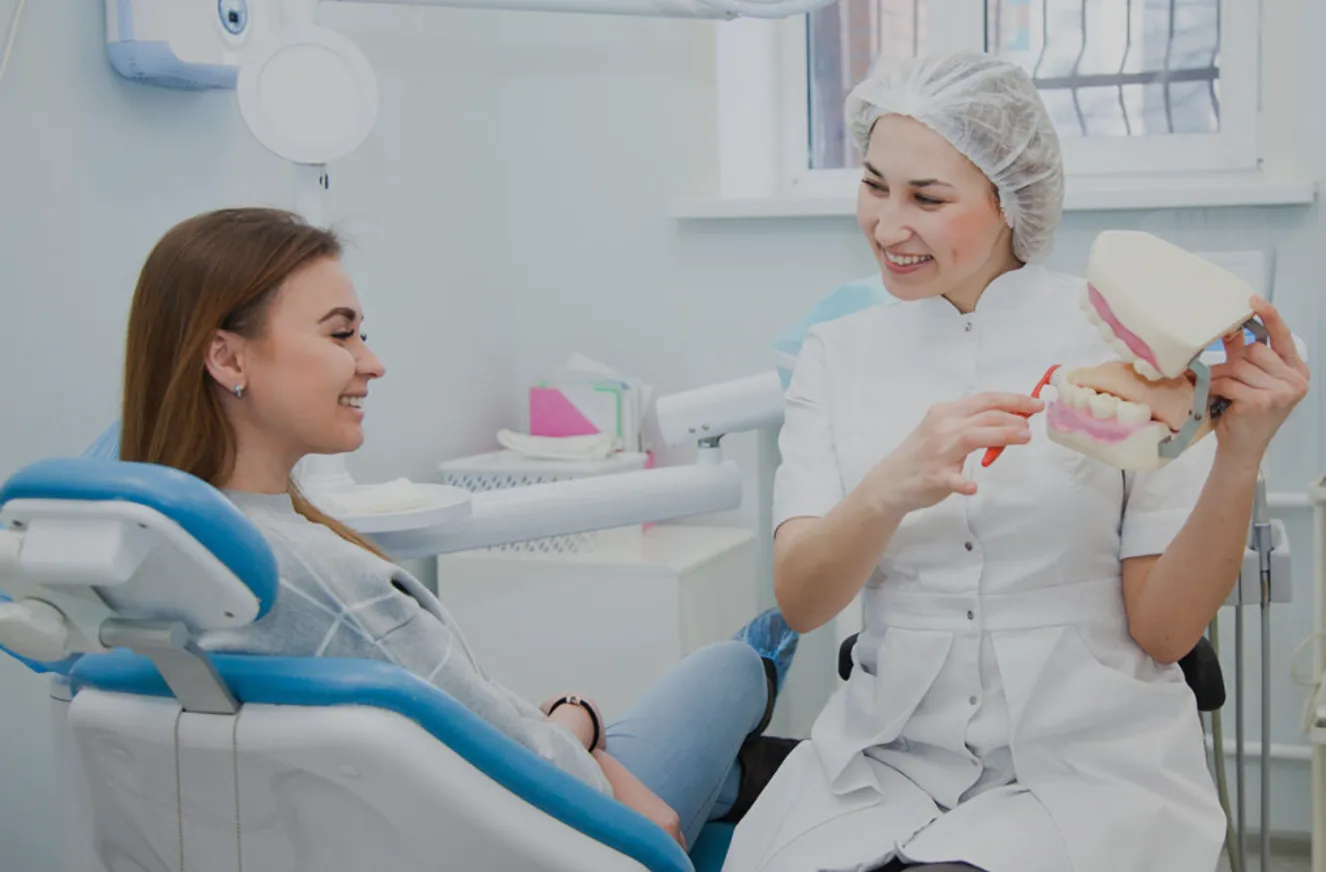
Now imagine a different pattern. Twice a year, your family goes in for routine checkups and cleanings. These visits are calm, quick, and mostly uneventful. Small concerns are caught early. At home, brushing and flossing are treated like washing hands, not like a big production or a debate. Over time, the entire mood around dental care softens.
This is the first way preventive dental care reshapes habits. It reframes the dentist from “fixer of emergencies” to “partner in keeping your family healthy.” That shift alone often reduces anxiety and helps everyone follow through on daily care.
How do regular checkups turn into better daily habits at home?
Here is where the “problem, agitation, solution” becomes very real. The problem is not just plaque or sugar. It is inconsistent. You might buy the right toothpaste, schedule one appointment, even have a serious talk with your kids, then life gets busy again, and old habits creep back.
This inconsistency creates stress. You might catch yourself thinking, “We know what to do, so why are we not doing it?” That gap between “knowing” and “doing” can feel discouraging, especially if you are already stretched thin by work, school, or caregiving.
Preventive visits with a general dentist can bridge that gap in three practical ways:
1. Regular cleanings create natural checkpoints
When everyone in the household has a checkup every six months, those appointments act like milestones. The dentist or hygienist can show your family where brushing is missing spots, talk about diet choices, and give tailored tips. It is not abstract advice. It is specific to your teeth and your child’s mouth.
For adults, resources like the CDC’s oral health tips for adults can reinforce what you hear in the office. The more aligned your home routine is with professional guidance, the more natural it feels.
2. Kids mirror what they see during pediatric-focused prevention
Children are especially sensitive to tone. If their cleanings are calm, kind, and consistent, they start to see oral care as normal, not scary. That makes it easier to establish routines like brushing after breakfast and before bed.
Guidance such as the CDC’s oral health tips for children can help you match professional advice with what you do at home, from choosing a fluoride toothpaste to supervising brushing.
3. Early detection protects both health and finances
Emotionally, it is easier to hear “there is a tiny area we should watch” than “you need a root canal.” Financially, preventive care and small fillings usually cost far less than major treatment. Over time, this can ease a lot of background worry and resentment about dental bills.
So, where does that leave you? You might be wondering if all this really makes a difference compared with just “trying to brush more.” That is where a simple comparison can help.
How does prevention at home compare with waiting for problems?
It can help to see the difference between a household that leans on preventive care and one that mostly reacts when something goes wrong. The goal is not perfection. It is to understand what you are choosing each time you skip or keep an appointment, and each time you support or ignore daily habits.
| Approach | Short-Term Impact | Long-Term Impact | Typical Household Experience |
|---|---|---|---|
| Preventive focus with regular checkups | Small, predictable costs for exams and cleanings | Fewer major procedures, less pain, lower total costs over time | Dental visits feel routine, kids build steady brushing habits, and have less fear |
| “Wait until it hurts” emergency approach | Irregular but often high bills, missed work or school | Higher risk of extractions, root canals, and larger restorations | More anxiety, rushed appointments, children associate the dentist with pain |
| DIY-only, no professional care | Low upfront cost but no professional feedback | Hidden issues can grow unnoticed, leading to sudden serious problems | False sense of security, shock when problems are finally discovered |
When you look at it this way, general dental care centered on prevention is less about “one more thing to manage” and more about making life steadier for everyone under your roof.
What are three concrete steps you can take right now?
You do not need to overhaul everything at once. A few clear moves can start shifting your household toward healthier, more sustainable habits.
Step 1: Put preventive appointments on the calendar for the whole household
Pick two months in the year that are easier for your schedule, then plan everyone’s cleanings and exams during those windows. Treat those dates like you would school registration or tax deadlines. Non-negotiable unless there is an emergency.
If someone is overdue, start with them first. Once you have one successful visit, it becomes much easier to schedule the rest. You can even make a simple family rule. No new sports sign-up or big treat until everyone is current with their checkups.
Step 2: Create one simple, shared routine at home
Instead of chasing every new product or technique, choose one consistent pattern that works for your family. For example.
- Adults and teens brush morning and night for two minutes and floss before bed.
- Kids brush with supervision after breakfast and before bed, using a small amount of fluoride toothpaste.
Anchor these habits to existing routines, like after putting on pajamas or right after breakfast dishes. The goal is predictability. When brushing and flossing are tied to something you already do, they stop feeling like a chore and start feeling automatic.
Step 3: Turn education into small, honest conversations
You do not need to scare anyone with horror stories. Instead, use everyday moments to talk briefly about why you care about teeth. For a child, that might sound like, “We brush so your teeth stay strong for biting apples and smiling in pictures.” For an adult partner, it might be an honest talk about wanting to avoid painful emergencies and surprise bills.
You can also bring questions to your general dentist during cleanings. Ask for simple feedback on brushing technique or flossing tools that might fit your family better. The more your household understands the “why,” the more they will support the “what.”
Where do you go from here?
If you are feeling a mix of relief and regret right now, that is normal. Relief, because you can see a path that is calmer and more predictable. Regret, because you might wish you had started sooner. Try to be gentle with yourself. You have done the best you could with the time, energy, and information you had.
The next chapter can look different. By embracing preventive family dentistry, you are not just aiming for fewer cavities. You are building steady, respectful habits that protect everyone’s health and reduce stress at home. One appointment scheduled, one nightly brushing routine, one honest conversation at a time, you can shift your household from reacting in crisis to living with more ease and confidence.