

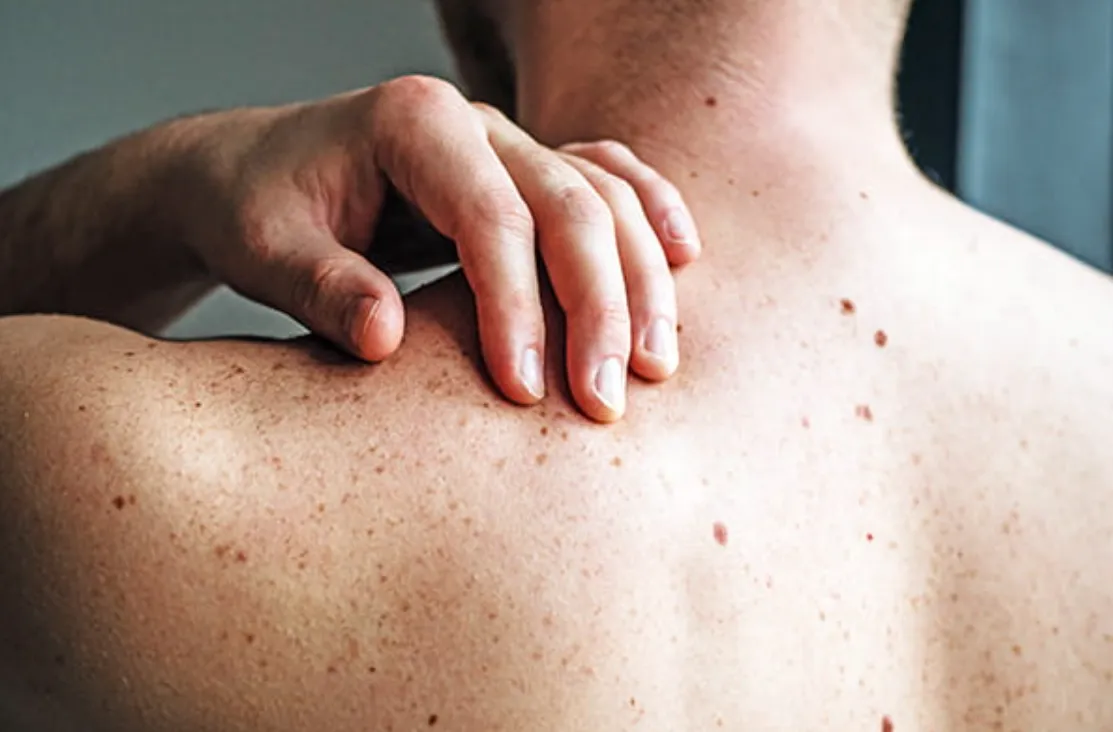
Your skin tells a story, and being able to read it alongside regular visits to a dermatologist in Singapore is one of the most powerful skills you can have for your long-term health. While it’s the largest organ of your body, it’s often overlooked until a problem becomes obvious. In Singapore, skin cancer is one of the most common types of cancer. However, most of the time, it can be prevented if detected early. Not only is it helpful to know the early warning signs, but it’s also an essential part of a strategic health plan. Learn to spot questionable changes, assess your own risk, and implement basic security measures with the help of this guide. We will go over both the well-known and less well-known indicators so that you may confidently monitor your skin health. We want you to be able to recognize problems when you see them and know when to get a second opinion from a dermatologist in Singapore.
More Than Just Moles
A lot of people think that skin cancer is just changes in a mole, but it’s not the only thing worth keeping an eye out for. The two most commonly seen forms of Carcinomas, called Squamous Cell and Basal Cell Carcinoma, can look very different from the moles we are told to look out for. To find something early, you need to know all the indications.
The ABCDEs of Melanoma
The ABCDE method is a basic way to look for symptoms of melanoma, the most dangerous type of skin cancer, on moles. A dermatologist in Singapore should look at an area that has one or more of these signs.
- Asymmetry: Picture putting a line down the center of a mole. It is asymmetrical if the two halves don’t fit together. Most of the time, benign moles are symmetrical.
- Border: A healthy mole usually has smooth, well-defined edges. A mole that seems suspicious could have boundaries that are uneven, scalloped, or poorly defined, and the pigment might leak into the skin around it.
- Color: Most moles that aren’t cancerous are all the same hue of brown. A mole that has more than one hue, such as distinct shades of tan, brown, and black, is a clue that something is wrong. It’s considerably more worrying when red, white, or blue colors show up.
- Diameter: Melanomas are usually bigger than 6mm, which is about the size of a pencil eraser. But they can be smaller when they are first found, so don’t ignore a smaller spot if it has other warning symptoms.
- Evolution: This might be the most important sign. If you see a mole changing in size, shape, color, or height over weeks or months, that’s a sign that something is wrong. Itching, soreness, or bleeding are some of the new symptoms that come with this.
The “Ugly Duckling” sign is another useful idea. If you have a lot of moles, try to find one that is different from the others. If a mole looks different from the others in size, form, or color, you should take a closer look.
Signs of Non-Melanoma Skin Cancers
The squamous and basal cells of the face, neck, and arms tend to manifest in more sun-exposed regions like the face, neck, and arms. They may not begin as a mole. A sore that doesn’t heal is an essential sign for both. You should never ignore a spot that bleeds, oozes, or crusts over and then comes back after it has partially healed. A shiny, pearly, or waxy lump with a dip in the middle could be a sign of basal cell carcinoma. It can appear as a flat spot with fuzzy edges, resembling a scar. At other times, it could look like a red, inflamed patch of skin that is flaky or scratchy. The squamous cell, a firm, red nodule, is the first sign of cancer. It may also appear as a rough, scaly spot that looks like a wart. Rapid growth is possible for these lesions, which may also become sensitive or begin to bleed.
Understanding Your Personal Risk
Anyone can get skin cancer, but several things make you more likely to have it. The first step in establishing a personalized prevention plan is to know your own risk profile.
- The Impact of UV Rays and Sun Exposure
Ultraviolet (UV) radiation is the main culprit in the development of most skin malignancies. This radiation, which comes from the sun and tanning beds, hurts the DNA in the cells of your skin. This damage builds up over time, so even modest quantities of exposure every day add up. People often believe the falsehood that tanning booths are safer than going outside in the sun. In fact, the risk of melanoma is significantly increased by tanning bed use, particularly among early adopters. On overcast days, you are also not protected. Cloudy days are just as dangerous. Sunscreen is a must-have all year round because a whopping 90% of UV rays may get through clouds and reflect off of water, concrete, and snow.
- Your Genetics and Skin Type
Your family history and your own health history are significant. If you have a close relative with melanoma or have had skin cancer yourself, your chances of getting it go up a lot. Getting severe, blistering sunburns as a child also makes you more likely to have skin cancer later in life. Your skin type also affects how likely you are to get sick. The Fitzpatrick scale sorts skin into six types based on how it reacts to the sun. Type I skin always burns and never tans, whereas Type VI skin never burns and tans quickly. People with lighter skin (types I and II) have less melanin, which protects them, and are at a considerably higher risk. But it’s not true that people with darker skin tones can’t get skin cancer. Melanin does help protect the skin, but it doesn’t completely shield it. This false sense of security typically leads to delayed diagnosis, when the cancer is more advanced and more complex to treat. Acral Lentiginous Melanoma (ALM) is another type of melanoma that is rare but very aggressive. It is more common in persons of color and usually shows up on the palms, soles of the feet, or under the nails, which don’t get much sun.
From Suspicion to Diagnosis
It’s time to contact a doctor if you see a spot that worries you, including a new growth, a mole that is changing, a sore that won’t heal, or an “ugly duckling.” A doctor’s time is never wasted when you are worried. A timely consultation can make a big difference in how things turn out for you. When you go to a dermatologist in Singapore, they will probably use a dermatoscope. This specific gadget makes things appear larger, allowing you to focus on the spot. If the lesion looks suspicious, the next step is to take a biopsy. This is a simple procedure in which a little bit of skin is taken off and sent to a lab for testing. It’s the only way to be sure of the diagnosis. You are in charge of your skin’s health. Being careful and taking steps to avoid problems are the best ways to make sure your skin tells a long and healthy story.
–
Livingstone Dermatology – Dr Sean Leong, Consultant Dermatologist
10 Sinaran Drive #09-20
Novena Medical Center
Singapore 307506
Whatsapp: +65 8075 266