

If you are someone who keeps up with the eco-friendly initiatives and government policies, you must be well aware of the contribution of the IRA or the Inflation Reduction Act. Every year, the IRA creates billions of dollars in tax credits or incentives to decarbonise the US energy sector. Two of their most influential tools are the Investment Tax Credit (ITC) and the Production Tax Credit (PTC). In fact, in 2022, Congressional Research estimated the total value of ITC and PTC combined to be around $156 billion. Plus, another feather in the cap is the energy community adder that allows taxpayers to earn an extra 10% credit on their renewable energy project.
In this article, we’ll learn more about this revolutionary Energy Communities Tax Credit Adder and what its key benefits are that stakeholders can enjoy.
What Is an Energy Community, and How Does the IRA Define It?
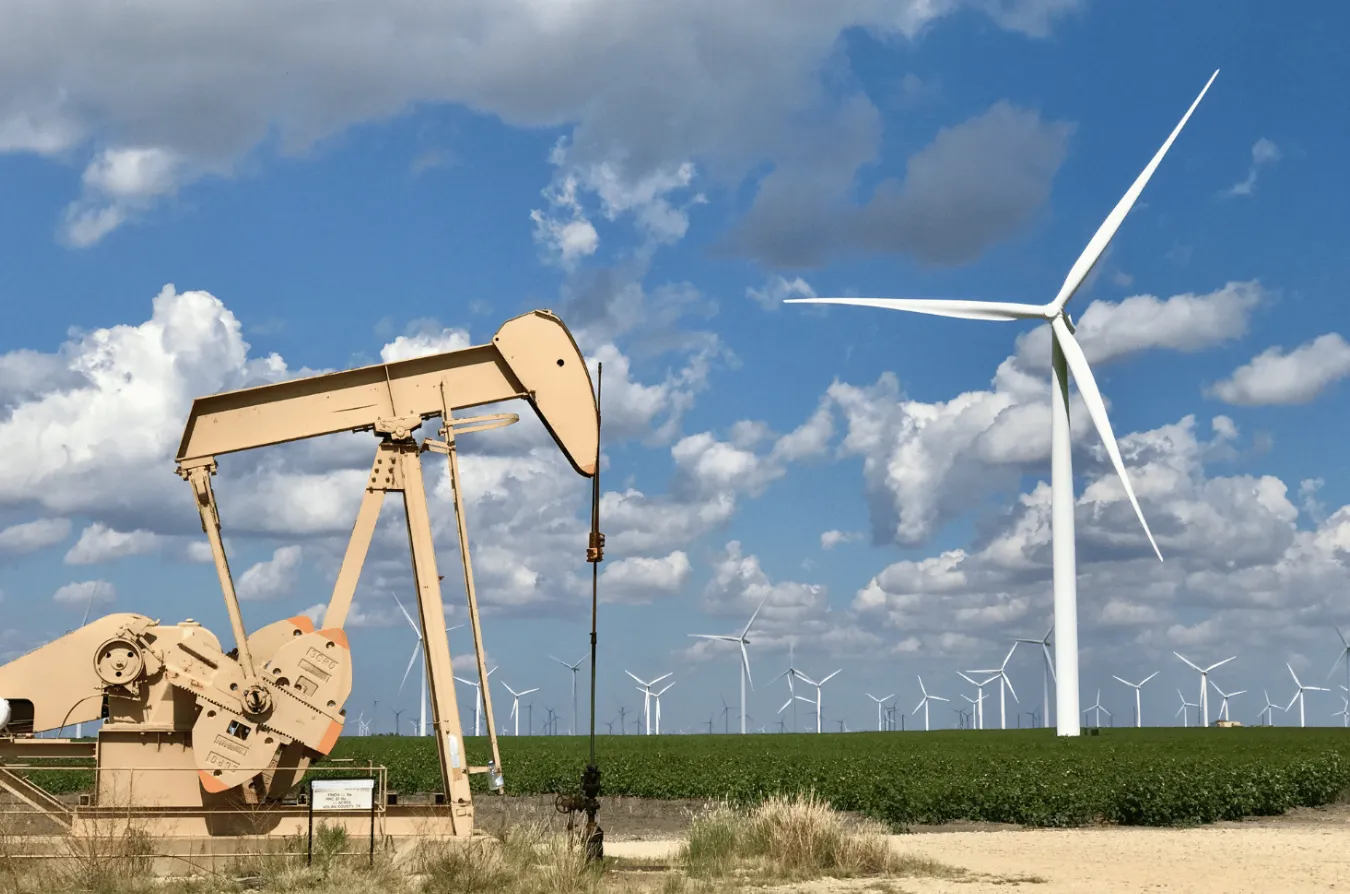
In easy terms, an energy community is the area that has been historically sited near hazardous zones, including coal mining and oil extraction sites. It also refers to the community where a certain percentage of taxpayers is reliant on energy through fossil fuels. IRA categorises the energy communities into three areas:
| Category | Definition | Eligibility Criteria |
| Brownfield Site | Disused or abandoned land polluted from past industrial use. | As defined by CERCLA, it includes sites with the presence or potential presence of hazardous chemicals or materials. This prevents the expansion, renovation and selling of the said area. |
| Fossil Fuel Statistical Area | Areas economically dependent on fossil fuel industries. | Since Dec 31, 2009, it has had 0.17% or higher direct employment, or 25% or greater local tax revenue from coal, oil, or natural gas. Unemployment rate at or above the national average in the previous year.Applies to metropolitan or non-metropolitan statistical areas. |
| Coal Closure Area | Regions impacted by coal facility closures. | Includes any census tract (or directly adjoining tract) where a coal mine closed after Dec 31, 1999, or where a coal-fired electric generating unit retired after 2009. |
Benefits of Energy Community Tax Credit Adder
The Energy Community Adder offers a variety of benefits for both society and the taxpayer:
- Improved Project Value
The eligible projects can receive up to 10% of extra credit points on top of the Investment Tax Credit and Production Tax Credit. The new solar or wind energy plant credit may rise to 30 to 40%.
- Reduction in Production Costs
The new solar and battery projects can enjoy much lower production costs. According to reports, the energy community adder can reduce the levelised fixed cost of a solar plant by $12.5 per kW-year. For instance, 100 MW solar projects with the Investment Tax Credit can come with an annual cost savings of $1.25 million. For wind projects, you can enjoy $4 per kW-year for each 10% increment in the ITC.
- Boosts Local Workforce
To receive the full 10% Energy Community bonus, projects over 1 megawatt (MW) must comply with Prevailing Wage and Apprenticeship requirements. This tying of extra credit with PWA compliance means the project owners have to hire a local workforce and offer them fair wages for 5-12 weeks.
- Decarbonisation
More and more renewable plants in the energy communities will reduce the dependence on fossil fuels and harmful electrical energy sources. It will also shift the use of renewable sources, break the mystery around them and reduce the CO2 emission. Finally, the more use of renewable sources means reduced burden on the power grid and better distribution of resources.
- Green Future Wave
This initiative by the IRA will start the wave of clean and safe energy production in the United States. It also helps the local communities to enjoy cleaner energy and electricity, which can help in reforming the area. It also promotes a healthy and co-dependent lifestyle that can inculcate the production of clean energy in other communities or homes of taxpayers.
Wrapping Up
The Energy Community Tax Credit Adder comes with tons of benefits for taxpayers in both financial and social areas. The 10% boost on top of the very lucrative ITC and PTC initiatives provides greater financial confidence in clean energy projects. However, some key points, such as keeping an immaculate documentation trail, will help you grab this credit bonus without any hassle. Plus, refer to a professional expert to help you deal with the nitty-gritty details of this credit and help you manage your productions within legal frameworks.
Also, understanding the proper eligibility requirements beforehand will keep your project simple and future-proof. Stay Clean! Stay Green!