

A bright, confident smile is often associated with good health, youth, and approachability.
It’s no surprise, then, that teeth whitening has become one of the most requested cosmetic treatments worldwide. Whether it’s years of coffee drinking, red wine, or simply the effects of aging, tooth discoloration happens gradually—and many people want a safe and effective way to reverse it.
There are many whitening options out there, from clinical procedures to natural DIY remedies. But not all methods are equal in results, or in how long those results last. Understanding your options can help you choose the right approach and avoid unnecessary disappointment or discomfort. Consulting a qualified dentist in London is often the first step to getting long-lasting, safe results tailored to your specific needs.
What Causes Teeth Discoloration?
Tooth enamel, the outermost layer of the tooth, is naturally white. But beneath it lies dentin, which has a more yellow tone. Over time, the enamel wears down or becomes stained by pigments in food and drink. Common culprits include:
- Coffee and tea
- Red wine
- Dark berries
- Smoking or tobacco use
- Certain medications
- Natural aging
Discoloration can be extrinsic (on the enamel surface) or intrinsic (inside the tooth), and the type of stain will influence which whitening method is most effective.
Whitening Methods and How Long They Last
1. In-Office Whitening Treatments
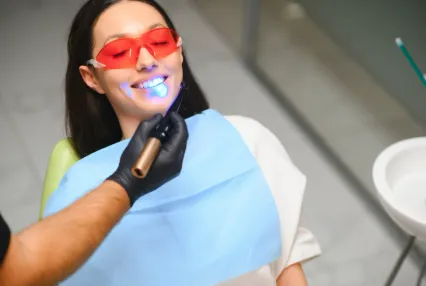
These are performed by dental professionals using high-concentration bleaching agents, often activated by light or laser. They offer the most dramatic and immediate results—often lightening teeth by several shades in a single visit.
How long it lasts: With proper care, in-office whitening can last anywhere from one to three years. Touch-up sessions every 6–12 months help maintain brightness.
Best for: Those seeking fast, noticeable results and willing to invest in professional care.
2. At-Home Professional Kits
These are provided by a dentist and include custom-fitted trays with a milder whitening gel than what’s used in the clinic. While they take longer to see results (usually a couple of weeks), they’re still highly effective.
How long it lasts: Several months to a year, depending on lifestyle habits and maintenance.
Best for: People who want professional-grade results with the convenience of home use.
3. Over-the-Counter Whitening Products
OTC options include whitening strips, toothpastes, pens, and generic trays. These are widely available and relatively inexpensive, but they use lower concentrations of active ingredients and offer more gradual results.
How long it lasts: Weeks to several months, but effects fade quickly without repeated use.
Best for: Those on a budget or looking for mild touch-ups between dental visits.
4. Natural Whitening Methods
Some people try baking soda, activated charcoal, or oil pulling as natural alternatives. While these might remove surface stains temporarily, they often offer minimal results and can be abrasive to enamel if overused.
How long it lasts: Minimal and short-lived results; not clinically proven for significant whitening.
Best for: Those curious about DIY options but not seeking dramatic changes.
Maintenance Tips: How to Prolong Whitening Results
Regardless of the method you choose, your habits afterward will make all the difference in how long your whitened smile lasts. Here’s how to maintain your results:
- Avoid or limit staining foods and drinks (coffee, tea, red wine, cola)
- Use a straw to reduce liquid contact with teeth
- Brush and floss regularly using whitening toothpaste for maintenance
- Avoid tobacco products
- Schedule occasional professional cleanings and whitening touch-ups
These small efforts can extend the life of your treatment and keep your teeth looking brighter for longer.
Are There Risks?
While professional and home-based products are both safe when used appropriately, they can cause side effects.
- Tooth sensitivity — Especially after professional treatments or overuse of strips
- Gum irritation — Usually caused by ill-fitting whitening trays or too much bleaching gel
- Enamel damage — Typically linked to harsh natural methods, lifestyle, or misuse of products
This is why it’s best to have an oral health professional show you the options, especially if you have gum disease, sensitive teeth, or dental work like veneers or crowns. An established aesthetic medical clinic, looking at your full oral health, can set you up with the best course of treatment.
Final Thoughts
Whitening your teeth isn’t just about vanity—it’s about feeling confident when you smile, speak, or meet someone new. From quick in-office procedures to gradual at-home kits, there’s a whitening method for every lifestyle and budget. But longevity and safety go hand in hand. When in doubt, trust the professionals to help you brighten your smile without compromising your dental health.