

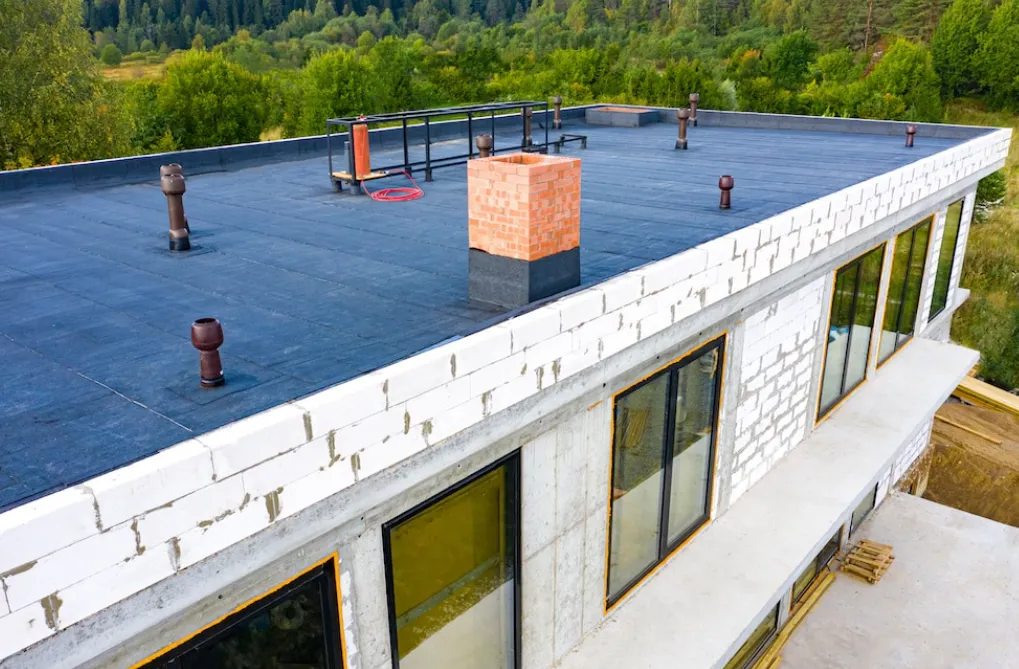
Flat roofs are a popular choice for many homeowners and commercial property owners due to their sleek design, cost-effectiveness, and the potential for creating usable outdoor space. However, before committing to a flat roof, there are several important factors to consider.
Here is an overview of why having a good understanding of these elements can help ensure you make a sound investment that suits your building’s structure, climate, and maintenance preferences.
Suitability for Your Climate
One of the most crucial factors to consider is how well a flat roof will perform in your local climate. Flat roofs are more susceptible to water pooling than pitched roofs, which can lead to leaks and structural issues if not addressed. If you live in an area with heavy rainfall or frequent snowfall, additional drainage solutions and a high-quality waterproof membrane are essential. In such regions, it’s also important to ensure your roof has a slight slope to facilitate water runoff.
Material Options
Flat roofs can be constructed using various materials, each with its pros and cons. Common options include:
- EPDM (Ethylene Propylene Diene Monomer): A durable rubber roofing material that’s resistant to UV rays and weathering.
- PVC (Polyvinyl Chloride): Known for its long lifespan and resistance to chemicals and fire.
- TPO (Thermoplastic Olefin): A single-ply membrane that offers energy efficiency and durability.
- Bitumen: A traditional material often applied in layers with added reinforcements for durability.
Your choice of material should align with your budget, aesthetic preferences, and desired longevity.
Installation and Maintenance
Flat roofs require precise installation to ensure they remain watertight and structurally sound. It’s critical to work with experienced contractors like flat roofing Columbus OH, who specialize in flat roofing, as inadequate installation can lead to premature failure and costly repairs.
Maintenance is another key consideration. Flat roofs generally require more frequent inspections and upkeep than pitched roofs. You’ll need to clear debris, check drainage systems, and inspect for signs of wear or water damage regularly.
If you’re in the Cambridgeshire area, choosing professionals with local expertise is wise. For instance, those searching for flat roofing Cambridge services can benefit from specialists who understand regional weather patterns and building regulations.
Insulation and Energy Efficiency
A properly insulated flat roof can help reduce energy bills and improve indoor comfort. Make sure the insulation meets current building regulations and consider options like warm or inverted roof systems that add insulation above the waterproof layer, enhancing thermal efficiency and protecting the roof membrane.
Lifespan and Cost
While flat roofs are typically less expensive to install than pitched roofs, they may have a shorter lifespan depending on the material used and the quality of installation and maintenance. When budgeting, be sure to factor in the potential repair costs and the expected lifespan of the roofing system. Investing in higher-quality materials and expert installation can save money in the long term.
Usability and Aesthetics
Flat roofs offer unique opportunities for functional space, such as roof gardens, solar panel installations, or even outdoor lounges. However, any intended use should be factored into the structural design and load-bearing capacity of the roof.